

Ingredients Giant Lasenor Debuts Pea Protein Innovation to Replace Eggs in Baked Goods

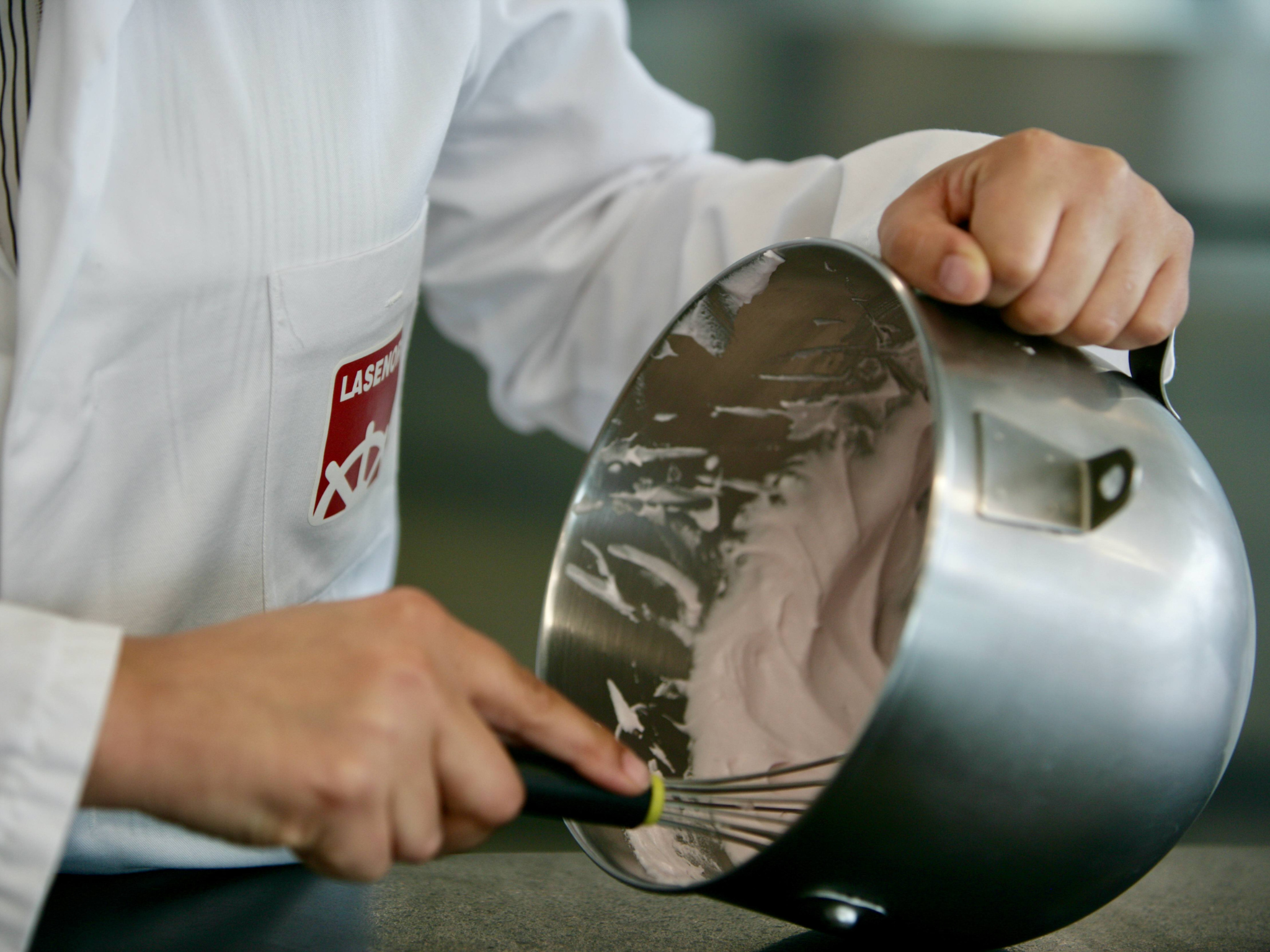
Spanish food emulsion producer Lasenor has introduced a new pea protein texturiser that can help bakery manufacturers reduce eggs amid supply and price shocks.
The latest company to join the egg replacement drive, Barcelona-based emulsifier manufacturer Lasenor has unveiled a clean-label solution for baked goods.
The ingredient, called VP-100, is a texturised protein from peas, designed specifically for commercial bakery applications. It was developed in collaboration with Israeli ingredient tech innovator Meala Foodtech, which introduced its own single-ingredient pea protein powder to replace eggs in September.
“Lasenor VP-100 responds to consumer demands for plant-based alternatives and allergen-free options,” said Viktoriia Kubrakova, product manager for the egg replacer at Lasenor.
She added: “Food manufacturers are actively seeking solutions that allow partial or full egg reduction, especially in light of the volatile egg supplies and price fluctuations.”
Lasenor bets on plant-based egg replacement boom
Lasenor says its new ingredient is designed to enhance aeration, produce a softer crumb, and extend shelf life and freshness by slowing the staling process of baked goods.
It acts as a single-ingredient functional solution within bakery applications, which can replace 50-100% of the eggs in the formulation, all while maintaining stable texture, volume, and crumb structure. It allows manufacturers to reduce costs by 30-40%.
VP-100 is characterised as having superior water retention to help bakery products stay soft and moist longer, and supports consumer demand for simple, short and transparent ingredient lists. Plus, it has no off flavours and features comparable volume and dome formation properties, making it suitable for all sorts of bakery applications without impacting any organoleptic attributes.
The ingredient was created with the help of Meala’s proprietary texturisation technology, which was further optimised by Lasenor for aerated batter systems.
The innovation comes amid soaring egg prices globally, thanks to the latest bout of avian flu and Newcastle disease, which have led to the culling of millions of chickens and highly volatile supplies. Combined with a sharp increase in demand, egg prices reached a decade-long high in Europe this year, and broke all-time records in the US.
According to Lasenor, baked good categories (like muffins, sponge cakes, and sweet pastries) that boast plant-based claims are seeing double-digit growth in product launches, ascribing it to a demand for “more sustainable, ethical, and better-for-you products”. In the US, for example, Just Egg’s sales have skyrocketed.
It’s why many are coming out with functional vegan egg replacers for B2B applications, like Dutch firm Revyve, which is using fermentation to produce a yeast protein that can substitute eggs in various food and drink products.
Likewise, Spain’s MOA Foodtech unveiled a fermentation-derived ingredient that can reduce egg use in bakery, pastry and pasta formulations, and French player The Very Food Co introduced a powdered aquafaba product that can fit into the lines of artisan bakers and industrial manufacturers alike.
Pea protein replacer delivers strong performance in muffins

To showcase the capabilities of its pea protein ingredient, Lasenor debuted a line of muffins with 50-100% fewer eggs at Fi Europe 2025 in Paris (December 2-4).
“Lasenor VP-100 delivers strong functional performance in muffin formulations, helping manufacturers achieve the desired texture, moisture, and structure, even with reduced egg content,” said Kubrakova. “Our trials demonstrate that VP-100 integrates smoothly into standard cake recipes without requiring changes to the processing methods.”
The texturiser undergoes a controlled hydration and activation phase to optimise its functional performance, giving it the gelling, binding, and water-retention capacities critical for egg replacement. All the ingredients for the muffins are then whisked together for several minutes into an airy batter, where the activated protein enhances foam stability to maintain air retention during baking.
“Trials with Lasenor VP-100 produced soft, voluminous muffins with a uniform fine crumb and a stable structure,” said Kubrakova. “The ingredient also fully aligns with market demands, supporting on-pack claims such as ‘100% plant-based’, ‘egg-free’, and ‘clean label’.”
In kitchen lab tests, the egg replacer helped produce muffins that imparted volume, softness, moisture, and an “excellent consumer experience comparable to full-egg recipes”. This performance was seen in a broad range of other baked goods, like sponge cakes, pound cakes, and brioches.
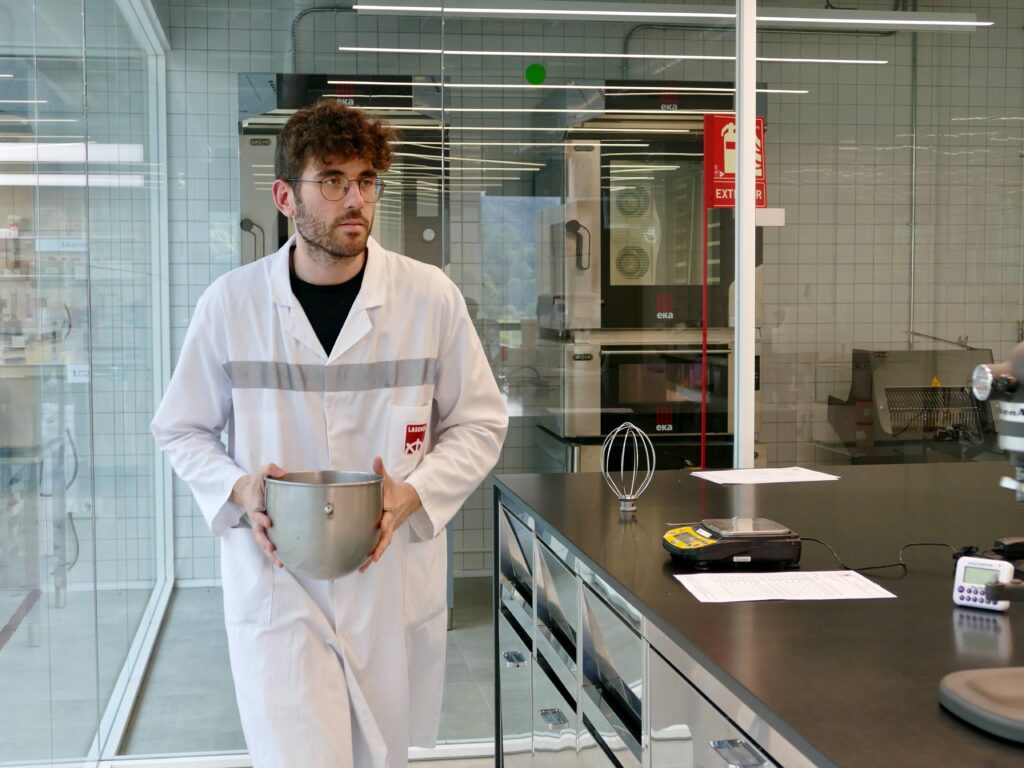
Lasenor recently opened a new technical centre with a fully equipped bakery lab, dedicated to providing on-site guidance to industrial manufacturers in formulating plant-based bakery concepts that tick all the sensory and functionality boxes.
“Our customers can test recipes, optimise processes, and validate product performance under real manufacturing conditions,” said Chiara Marinanza, marketing director for Lasenor. “In addition, customers will benefit from Lasenor’s applications expertise, formulation know-how, and direct market access to the bakery industry.”