

UK Govt Awards £2.35M for Ponda-Led Project to Scale Wetland-Based Biomaterial Crops

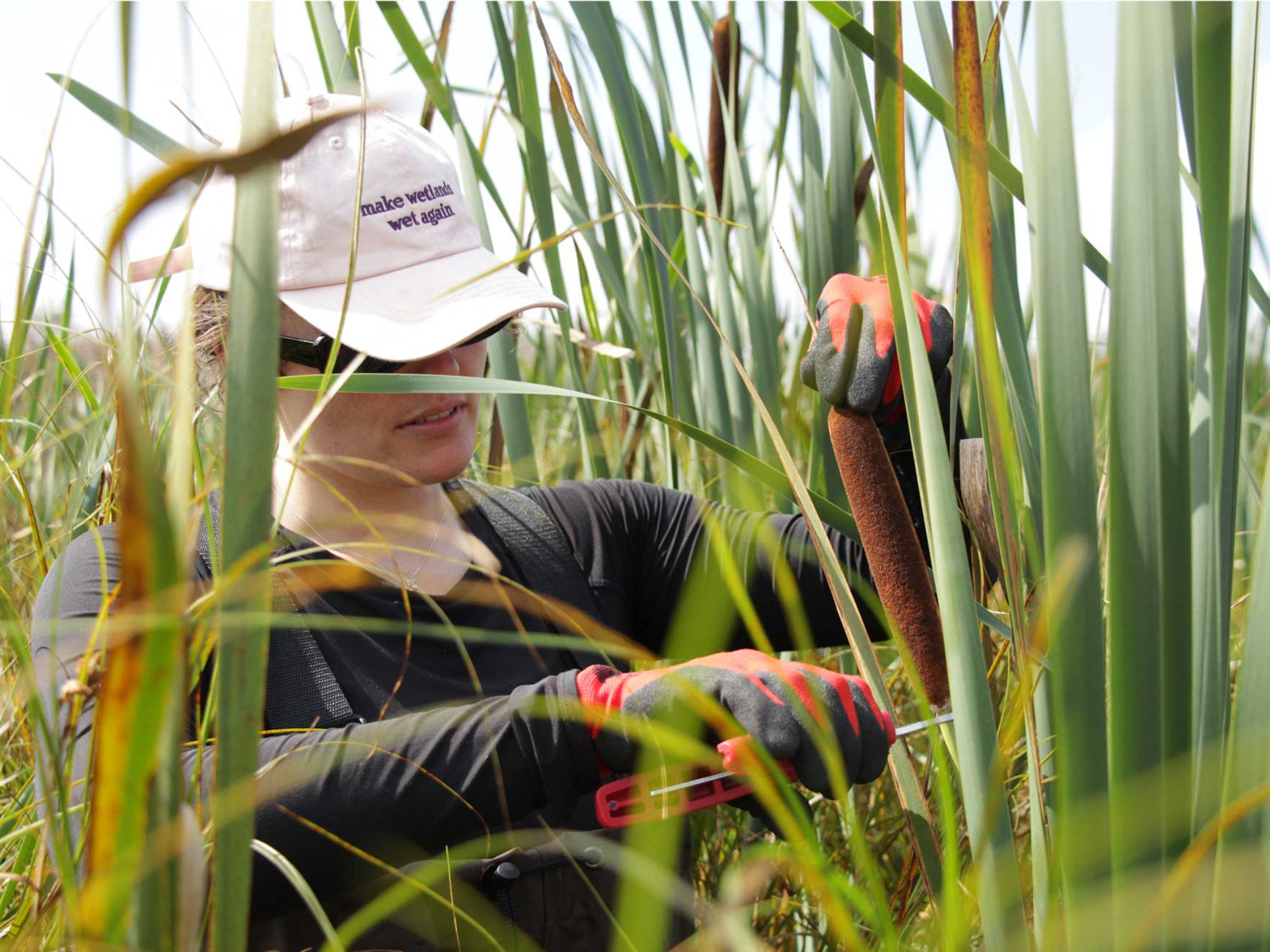
The UK’s food and environment ministry has awarded £2.35M to a project to build one of the world’s largest wetland farming supply chains, led by biomaterials startup Ponda.
Ponda, the Bristol-based biomaterials firm known for its plant-based BioPuff material, is leading a government-backed project to scale the UK’s wetland farming ecosystem.
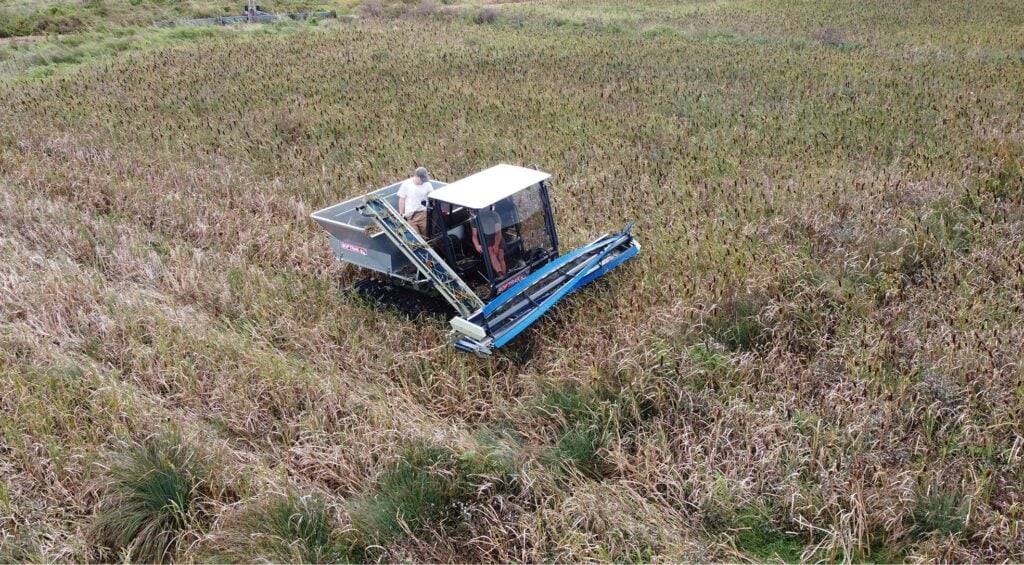
The Department for Environment, Food and Rural Affairs (Defra) has awarded a £2.35M grant for a 30-month project to establish a 30-hectare demonstration site to grow typha (bulrush) and demonstrate how wetland farming can generate economic and environmental value.
Part of Defra’s Farming Innovation Programme, the project is being spearheaded by Ponda, which has joined forces with J&K Barnard Farms, Liverpool John Moores University, Lancashire Wildlife Trust, Finance Earth, and Berghaus to set up a new biomaterials supply chain.
“This funding is a major milestone for Ponda because it moves our work beyond pilot projects towards the real-world production systems the market needs,” said Ponda co-founder and CEO Julian Ellis-Brown. “We’re not simply developing a new material – we’re building the agricultural, processing and supply chain needed to produce it at scale.”
Why the UK is betting on peatlands
Formerly known as SaltyCo, Ponda develops novel textiles from regenerative fibres. Its flagship product, BioPuff, is a bulrush-based alternative to goose down and polyester fibres that provides warm, lightweight and water-resistant insulation.
The material has the potential to reduce carbon emissions by 88%, and was previously used in the padding of Stella McCartney’s luxury vegan handbag line Falabella, as part of the designer’s Autumn 2024 collection.
Ponda engages in paludiculture, which involves farming on wetlands like rewetted peatlands, which are some of the most healing environments on Earth and hold over 40% of all soil carbon.
The argument behind utilising peatlands is straightforward. Drained peatlands are among the largest sources of land-use emissions in England, accounting for 3% of the country’s overall greenhouse gas emissions. Rewetting them via paludiculture can help reduce emissions and enable the productive use of land, which ultimately boosts climate resilience.
Restored wetlands can also improve natural flood management, strengthen biodiversity by rebuilding wetland habitats, reduce soil degradation and erosion, and diversify the income of farmers through the cultivation of high-value biomaterial crops.
“This is an exciting project with significant economic and environmental benefits,” said Mike Longden, technical lead of Lancashire Wildlife Trust’s peatland programme.
“Demonstrating a commercially viable approach to managing lowland peat at scale – one that improves biodiversity while supporting sustainable farming – has huge potential to transform how we manage these landscapes for the future.”
Wetland project set to generate revenues within a year of completion

The Defra-backed project aims to establish one of the world’s largest wetland farming demonstrations to regenerate peatlands. Over the project, the consortium aims to restore them at landscape-scale through productive wetland farming, as well as create new income opportunities for farmers and landowners.
The project will also demonstrate bulrush yields of around three tonnes per hectare, with the aim of avoiding an estimated 15,000 tonnes of greenhouse gas emissions by 2050.
Modelling by Finance Earth suggests that the project could begin generating commercial revenues within 12 months of its completion, which would provide a proof point for wetlands as a base for a scalable agriculture model.
“What makes this project important is that it brings together every part of the system- from land management and crop production to processing and end use,” said Will Barnard, environmental manager at J&K Barnard Farms.
“Support from the Farming Innovation Programme is helping accelerate work that has the potential to demonstrate that wetland farming can be operationally credible, commercially viable and scalable,” he added.
The Defra grant comes months after Ponda secured $2.4M in seed funding, which was followed by a crowdfunding campaign launched in April. The startup is looking to scale up from pilot to commercial scale, and strengthen its network of wetland growers across Europe to regenerate peatlands.