

IntegriCulture Bags $635,000 as Part of Series A Extension to Scale Cellular Agriculture in Japan

Japanese cellular agriculture company IntegriCulture has raised ¥100M ($635,000) from Niigata Venture Capital as part of its projected ¥700,000 ($4.5M) Series A extension round to expand its cell-cultured meat and cosmetics programmes.
IntegriCulture, a Tokyo-based developer of cultivated meat and cell-based cosmetics, has added new funds to its Series A extension efforts.
The firm has secured ¥100M ($635,000) from Niigata Venture Capital’s Regional Revitalisation Niigata Fund II, months after joining the Niigata Food Tech Town Initiative run by Japanese retailer Oisix and manufacturing giant NSG Group.
This is part of a projected ¥700M ($4.5M) extension to IntegriCulture’s Series A round, which had netted the company ¥800M ($7.5M) in 2020. It has been looking for add-on funding throughout the year, and has so far nabbed ¥375M ($2.4M).
“A few others may join toward the year-end,” IntegriCulture founder and CEO Yuki Hanyu tells Green Queen.
Leveraging local breweries to expand cellular agriculture
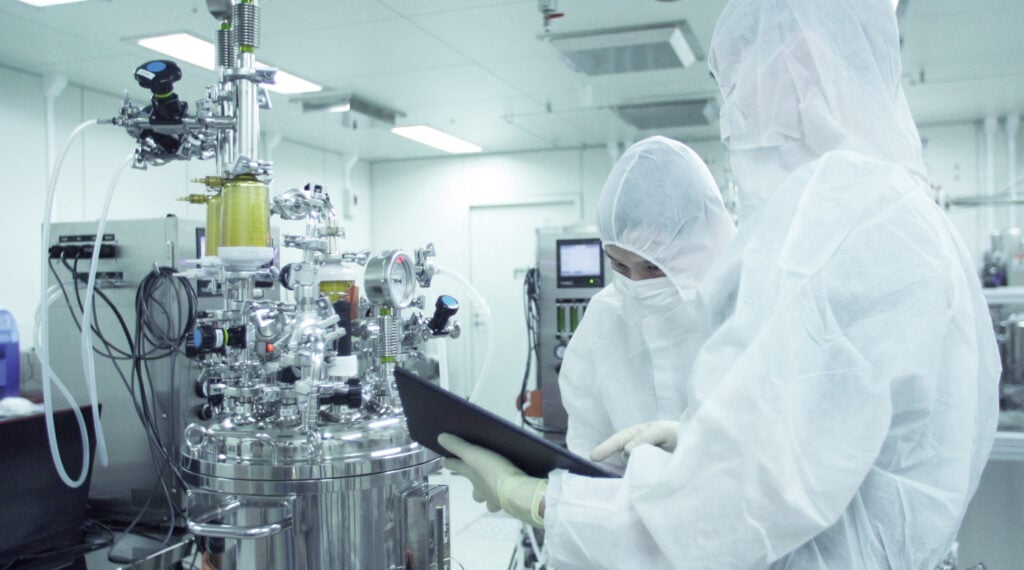
IntegriCulture operates across cellular agriculture infrastructure and products, spanning food, materials and cosmetics. The latter has been its primary focus for initial market entry, though it’s also developing cultivated meat products like seafood and duck.
Part of its business model is to collaborate with sake breweries to combine traditional fermentation with cutting-edge cellular agriculture and create “unprecedented regional businesses”. This enables IntegriCulture to leverage underutilised resources like sake lees and algae residue as raw materials for cell culture, thus tackling food security, resource recycling, and eco-friendliness.
The firm has teamed up with Niigata-based Ichimasa Kamaboko, the Tsunan Brewing Co, and universities and foodservice businesses within the prefecture to utilise these local resources.
This model has high compatibility with Niigata’s industrial base, including food processing, fermentation and brewing, and agriculture. IntegriCulture expects to establish the area as a demonstration base for R&D, commercialisation, and customer validation, with the potential to expand into other regions.
“The brewing and fermentation techniques that have been passed down in Japan, and especially in Niigata, since ancient times are the origin of biotechnology that Japan proudly presents to the world, pushing the metabolism and environment of microorganisms to their limits,” said IntegriCulture CTO Kazuhiko Kawashima.
“Integriculture’s goal of creating infrastructure for cellular agriculture also tackles the challenge of how to optimise and standardise the environment in which cells grow so that it can be used by anyone, and we have learned a great deal about the essential approach from brewing techniques.
“We have also had new discoveries, such as cells growing in brewing water and sake lees, and we are realising the depth of brewing and fermentation techniques and their compatibility with cells.
“Through our partnership with Niigata Venture Capital, we aim to establish a more efficient and sustainable manufacturing foundation by leveraging cellular agriculture technology learned from the wisdom cultivated over many years in the brewing industry.”
IntegriCulture eyes expansion of cell-based cosmetics

One of the major uses of the new funds will be to accelerate IntegriCulture’s development and commercialisation of cell-based cosmetics. The startup has developed Cellament, a cell-cultured serum “rich in nourishing proteins and rejuvenating growth factors” to revitalise the skin at the cellular level.
It’s made by the selective cultivation of egg cells, like the amnion, yolk sac, and plasma membrane, which amplify the nutritional potency of chicken eggs. It can reduce the enzymatic activity that degrades skin elasticity by 10-70%, accelerate skin cell turnover (which helps prevent wrinkling), and increase moisture retention in outer skin cells. Singapore’s Umami Bioworks is using Cellament and its fish cells to develop novel cosmetics.
The capital will also help IntegriCulture partner with financial institutions and businesses that promote local innovation to expand the implementation of cellular agriculture across Japan, while acquiring new B2B customers by strengthening its sales operations. The startup will further bolster its in-house R&D of infrastructure technologies and refine its proprietary tech to make cellular agriculture a commonplace practice.
“The cellular agriculture infrastructure promoted by the company has a very high affinity with Niigata Prefecture’s rich industrial base and regional resources, such as fermentation, brewing, and food processing,” said Niigata Venture Capital director Toshihiko Nagase.
“We are confident that sustainable business models utilising underutilised resources such as sake lees will make a significant contribution to creating new value and revitalising the local economy in Niigata.”
IntegriCulture’s Hanyu added: “As the establishment of rules for cellular foods accelerates and the focus shifts to business demonstrations overseas, cellular agriculture is at a major turning point toward social implementation. In this context, the construction of a ‘food tech industry cluster’ including cellular foods has officially begun in Niigata prefecture.”
“Our company has also partnered with established local businesses and, through investment from Niigata Venture Capital, has established a strong foundation for demonstrating and socially implementing the full-stack infrastructure for ‘cellular agriculture that everyone can use’, which is our goal, originating from the region.”
Speaking to Green Queen earlier this year, Hanyu revealed that IntegriCulture became profitable in the 2025 financial year. And the latest investment comes a month after it partnered with Singapore’s ImpacFat to develop green cosmetics using he latter’s cultivated omega-3 fish fat.