

Scottish Govt Pumps $3.3M Into MiAlgae’s Factory to Recycle Whisky Waste Into Algal Omega-3

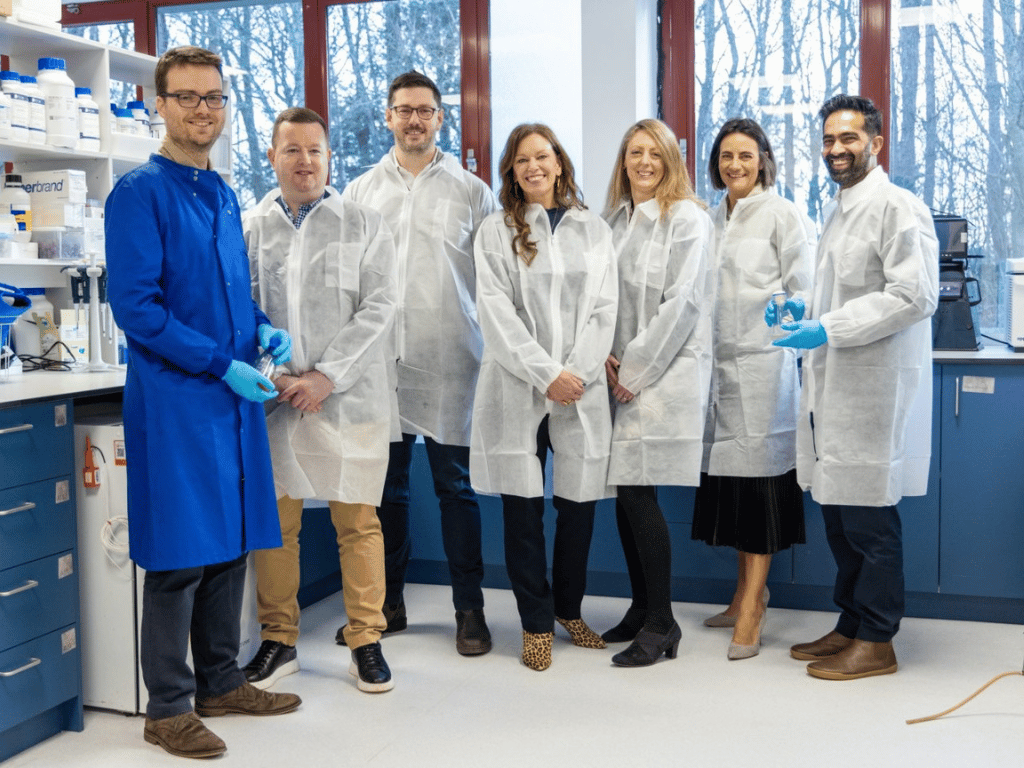
University of Edinburgh spinout MiAlgae has secured £2.5M ($3.3M) from the Scottish National Investment Bank to support the construction of its facility to produce fish-free omega-3 from whisky waste.
Scottish startup MiAlgae’s efforts to build a commercial-scale algal omega-3 facility have received a funding boost from the federal government.
The Scottish National Investment Bank (SNIB) has poured £2.5M ($3.3M) into the firm to support the construction of the factory in Grangemouth, which will help the company scale up and bring new employment opportunities to the region.
MiAlgae broke ground on the site in late 2025, which will enable it to produce over 10 times more omega-3 than current capacity. It expects to add 90 jobs to its workforce, totalling 156, by the end of 2028.
“This investment brings us closer to achieving our mission of protecting our oceans while meeting growing global demand for sustainable nutrition,” said MiAlgae founder and CEO Douglas Martin.
“By transforming whisky industry by-products into high-value Omega-3 ingredients, we are reducing pressure on marine ecosystems, preventing waste and creating a truly circular solution.”
MiAlgae’s waste-fermented omega-3 tackles fish oil supply issues
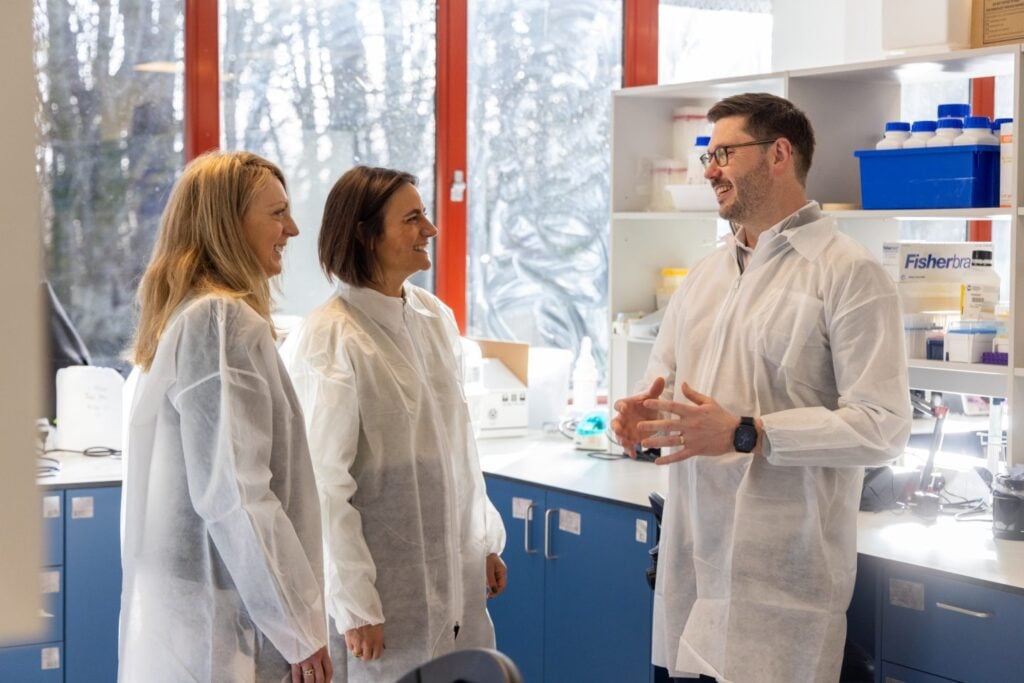
MiAlgae spun out of the University of Edinburgh in 2016, and leverages fermentation to upcycle whisky industry waste and grow microalgae naturally rich in DHA, an omega-3 fatty acid proven to support improved cognitive function, skin and coat health, joint mobility, and immunity in pets.
It feeds its algae with the nutrient-rich byproducts from whisky in specifically designed fermentation vessels. The microalgae are then processed into commercial quantities of its marine omega-3 product.
This undergoes rigorous quality testing before being packaged and delivered to its customers in dry, wet, or supplement formats. The fermentation platform, meanwhile, recycles the whisky waste into clean water, which MiAlgae returns to the watercourse.
The ingredient is vegan, fully traceable, and has a significantly smaller footprint than conventional DHA production, which is sourced from fish oil.
But the latter industry is in trouble – the UN FAO suggests that nearly 90% of the world’s fish stocks have been fully exploited, or are over-exploited or depleted. And one study posits that we could be heading towards a complete collapse of ocean life by 2048, driven primarily by overfishing for human consumption.
Moreover, continued overfishing and the ongoing super El Niño phenomenon are putting global supplies of fish oil under immense pressure. By early June, fish oil supply across the leading producer regions was running around 31% below the levels seen 12 months prior.
And El Niño, set to persist into early 2027, is expected to push prices to record highs, as it has in previous cases. It’s why 75% of consumers are interested in new sources of omega-3.
New facility part of Grangemouth’s green transition plan
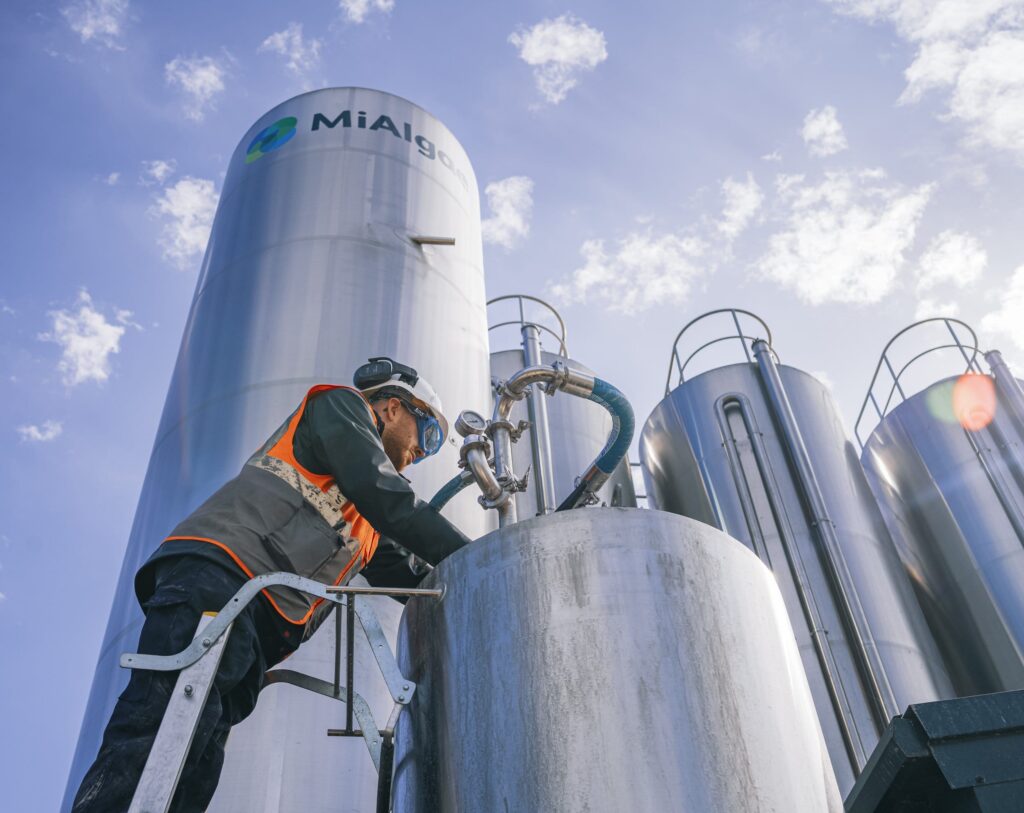
MiAlgae’s factory will be situated on the site of a former oil refinery owned by Petroineos, which closed in April 2025 after over a century of operations, leading to nearly 430 job cuts. The project is part of the Scottish government’s Project Willow, which is aimed at turning Grangemouth into a green tech hub.
It’s located close to both key raw material suppliers and major customers, enabling MiAlgae to support a low-carbon supply chain for pet nutrition companies across the UK, EU, and US. At full scale, it will create hundreds of new green jobs in biotechnology, engineering, and production.
The plant will be able to recycle over 36 million litres of whisky byproducts, and is designed for modular scalability, allowing the company to expand rapidly and build more sites near distilleries to collect waste more easily.
“The new facility represents a major milestone for MiAlgae and will enable us to scale our impact significantly in the years ahead, while playing a part in the regeneration of Grangemouth as a sustainable industrial hub,” said Martin.
The SNIB funding comes nearly a year after the startup secured £3M ($4M) in funding from the UK government, as part of its £14.5M pledge to transform Grangemouth into a hub for low-carbon tech and deliver future-facing jobs, as well as Scotland’s £25M Grangemouth Just Transition Fund, which helps businesses bring forward investible propositions for the site.
“MiAlgae is one of Scotland’s most promising biotech companies. It has stellar innovation credentials and true scale-up potential, all while reducing any negative impact on our oceans and contributing to our circular economy,” said Jane Reoch, executive director of innovation at the SNIB.
“This investment ticks all three of our impact missions: innovation, net zero, and our place mission, which aims to support thriving communities. MiAlgae’s growing presence and creation of high-quality jobs at Grangemouth contribute to the area’s industrial economy.”
MiAlgae is among a crop of startups championing fish-free omega-3 alternatives. Danish biotech startup Algiecel last week opened an industrial-scale plant for microalgae-based fish oil alternatives inside a Novonesis facility. And Canada’s Mara Renewables recently raised $9.1M to expand production of its algae-based omega-3 DHA.