

With €7M in EU Funding, Salina Project Eyes Seaweed-Based Novel Foods, Cosmetics & More

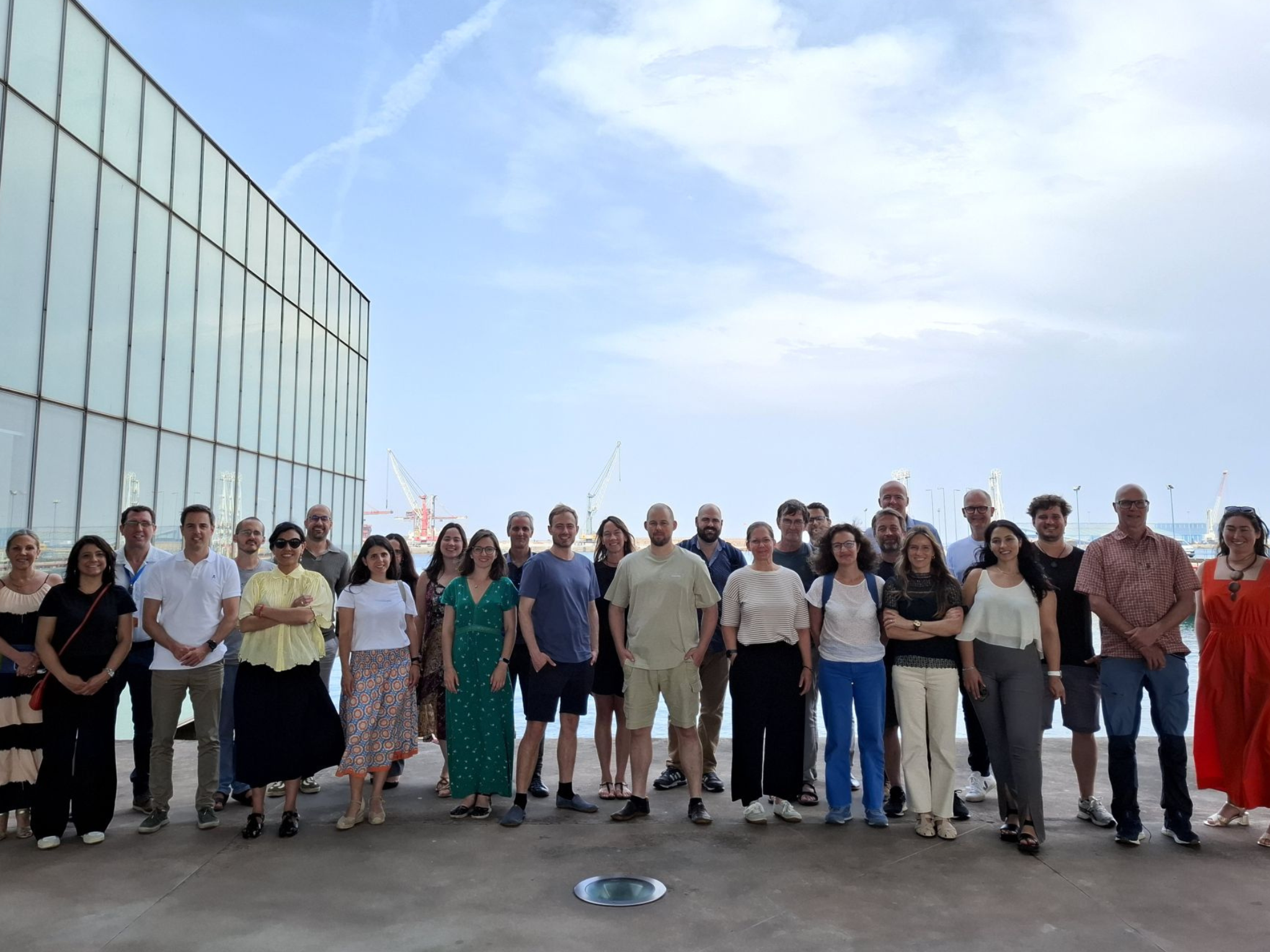
The multinational Salina project has kicked off with €7M in funding from the EU to create scalable macroalgae cultivation systems and develop high-value products for the food, cosmetics, and biomaterial sectors.
A new project aims to leverage the EU’s seaweed reserves to build marine biorefineries that can produce seaweed-derived alternatives to high-carbon foods and fossil-derived materials.
Called Salina, the initiative has been backed by a €7M grant from the Circular Bio-based Europe Joint Undertaking (CBE JU), a €2B partnership between the EU and the Bio-Based Industries Consortium that funds projects advancing the circular bioeconomy in Europe.
Over the next four years, the 22 consortium members will work to prove the feasibility of low-carbon coastal marine biorefineries combining scalable macroalgae cultivation with multi-platform biomass processing, aiming to deliver five novel, high-value products for food and sports nutrition, cosmetics, and bio-based construction materials.
Salina will test mixed seaweed cultivation in four EU sites
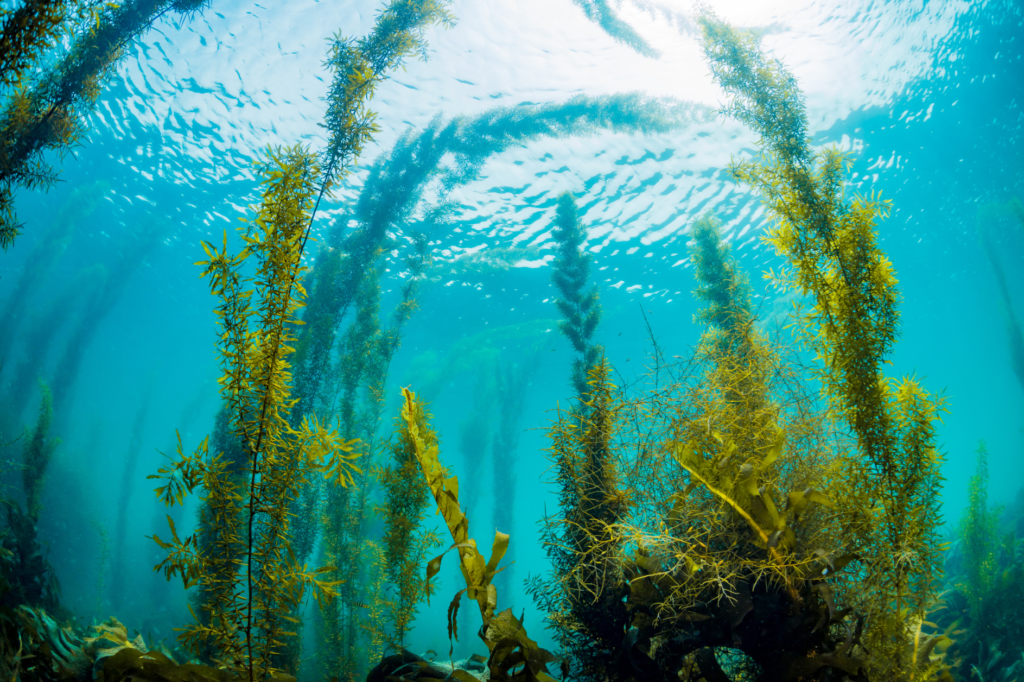
Currently, Europe produces only about 300 kilotonnes of seaweed annually, accounting for less than 1% of the global total, with 32% still harvested from the wild. So developing high-value applications, particularly local coastal marine biorefineries, can boost its competitiveness in this sector.
Salina is contributing to this shift by demonstrating the technical, economic, and environmental feasibility of such biorefineries, using four sites in diverse EU marine regions: Northeast Atlantic, North Atlantic, the Baltic Sea, and the Mediterranean Sea.
It will select species of green, brown, and reed macroalgae, and test innovative mixed seaweed cultivation systems, either alone or together with other low-trophic species, or integrated with nature-based solutions.
The consortium plans to develop and scale up to demo-level biomass conditioning and processing into high-value ingredients and materials with a zero-waste approach, resulting in three B2B extracts (each rich in polysaccharides, peptides or fibre) and two B2C products (a tapas box and a hydrogel panel).
It will also conduct a rigorous life-cycle assessment to assess the environmental, social, and safety impacts of the project value chains, and ensure the replicability of the project innovations across sectors and regions via tailored buisness models, stakeholder co-creation, and cross-sector engagement.
Macroalgae project set to cut emissions and boost blue bioeconomy
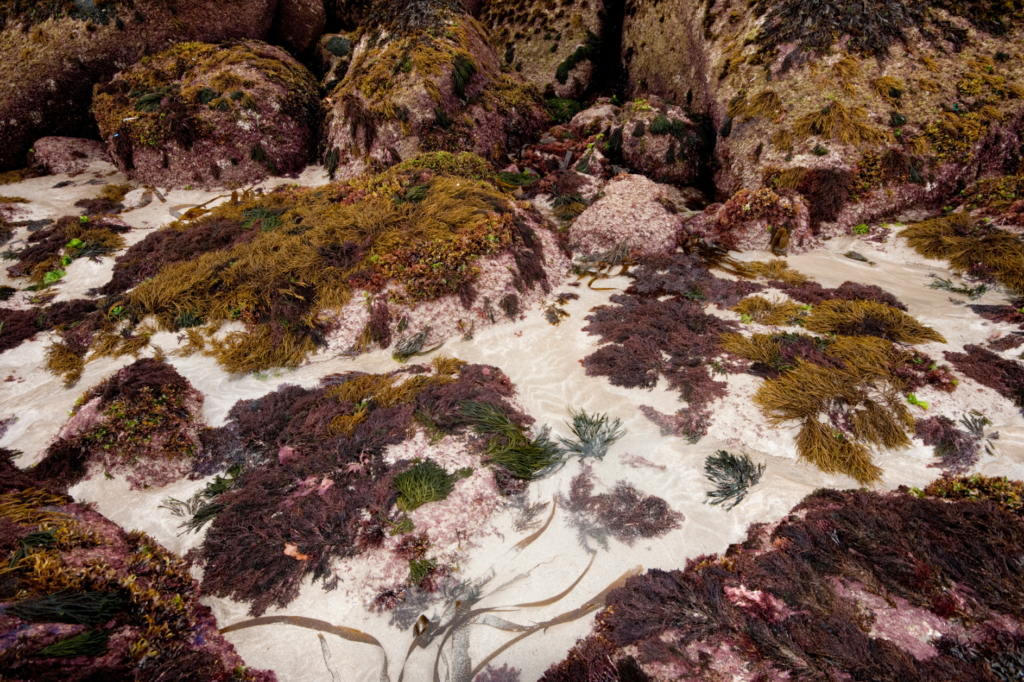
Among the key objectives of the Salina project is to increase sustainable macroalgae production capacity and advance innovative seaweed-based products to boost the EU’s blue bioeconomy.
It expects to strengthen the seaweed value chain by identifying and validating more than 80 native green, brown, and red species, and establishing eight hatchery protocols.
Sustainability is at the core of these efforts, with Salina hoping to save at least 30% of energy and use renewable sources for over 50% of its cultivation systems. Plus, it wants to implement zero-waste processes, reaching 70-80% of yields for high-purity polysaccharides and peptides, recycling 90% of liquid streams, and transforming 95% of solid subproducts.
Doing so will help reduce greenhouse gas emissions by 40%, freshwater consumption by up to 80%, and fossil-derived energy use by 60%. It will further enhance coastal ecosystems, enabling a 25% increase in benthic species (plants and animals that live on the bottom of water bodies) through restoration activities.
Salina anticipates safeguarding 25 jobs, developing business models for three farm scales, and engaging over 30 stakeholders through co-creation and policy dialogues, with an eye on promoting knowledge transfer by publishing open datasets and collaborating with EU initiatives to support replication and impact.
The Salina project isn’t the only algae project benefiting from this tranche of CBE JU funding, with Alganova receiving €5.7M to establish a biorefinery for the production of proteins and functional ingredients from microalgae fed on waste and carbon dioxide.