

Planet A Foods Unveils One-Ingredient Cocoa Powder Alternative to Cut Costs & Capture GLP-1 Market

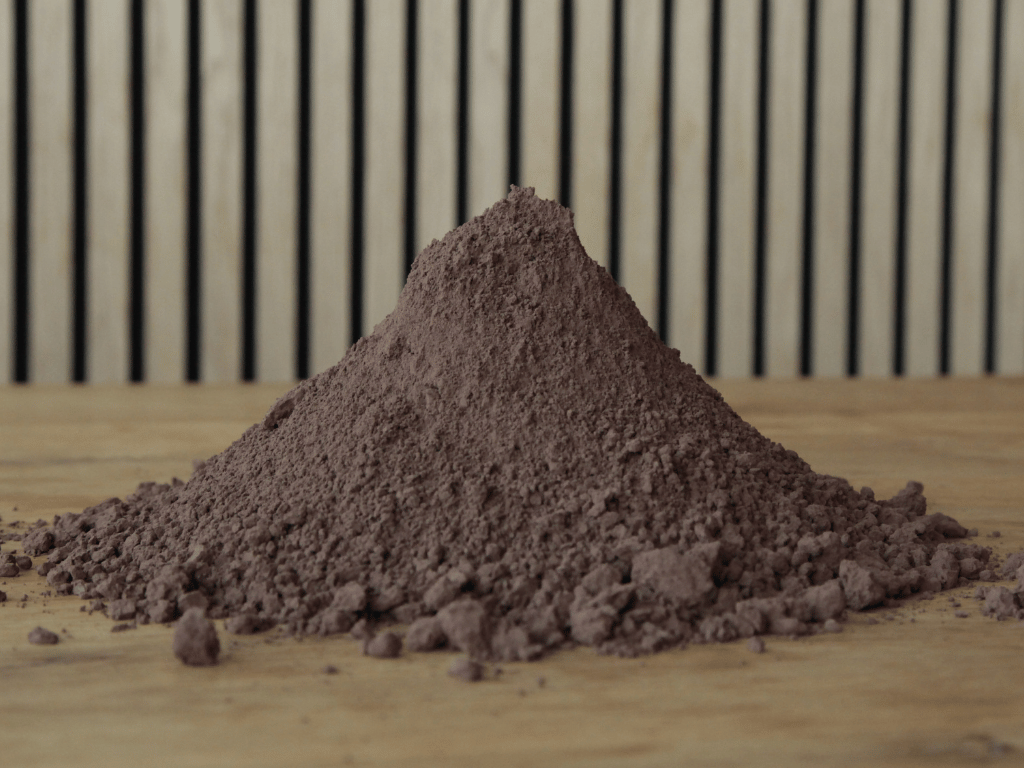
German cocoa-free chocolate maker Planet A Foods has launched a single-ingredient Cocoa Booster powder to tackle rising costs and appeal to GLP-1 users via its high-fibre content.
Planet A Foods, one of the leading startups in the alternative chocolate space, has its eye on the GLP-1 market with the rollout of Cocoa Booster, a one-ingredient solution to replace cocoa powder either partially or entirely.
The fibre-rich powder aligns with the diets of people taking Ozempic, Mounjaro and other weight-loss drugs. “GLP-1 users tend to eat smaller portions and choose more deliberately, so manufacturers are increasingly looking at nutrient density,” CTO Sara Marquart, who founded the startup with her brother Maximilian in 2021, tells Green Queen.
“Our Cocoa Booster contains around 69g of fibre per 100 g, compared with around 37g in cocoa powder, and about 50% less fat,” she adds. This can naturally stimulate endogenous GLP-1 in the body via the production of short-chain fatty acids.
The launch also comes as cocoa heads into its second supply shock in three years. After hitting record highs in 2024, cocoa prices fell through 2025, but they’ve now risen by 70% since February. Barry Callebaut, the industry’s largest producer, is now predicting a price hike of several thousand dollars per tonne of cocoa beans – indeed, analysts forecast cocoa prices to surpass $6,000 per tonne well into 2027.
The last crisis hit cocoa butter the hardest, but this one is expected to impact cocoa powder more. Maximilian, who is Planet A Foods’s CEO, says the company’s new ingredient can slash formulation costs by up to 50%, and sometimes even more: “The actual saving depends on how much Cocoa Booster is used and in which application.”
It is the company’s second product category, joining the highly successful ChoViva range of cocoa-free chocolates, which can be found in more than 100,000 stores via brand partnerships across the globe, thanks in part to a distribution deal with Barry Callebaut.
Now, the latter is extending its partnership with Planet A Foods to offer customers the new Cocoa Booster ingredient through its sales and R&D network.
Cocoa extender can help companies meet GLP-1 users’ fibre demand
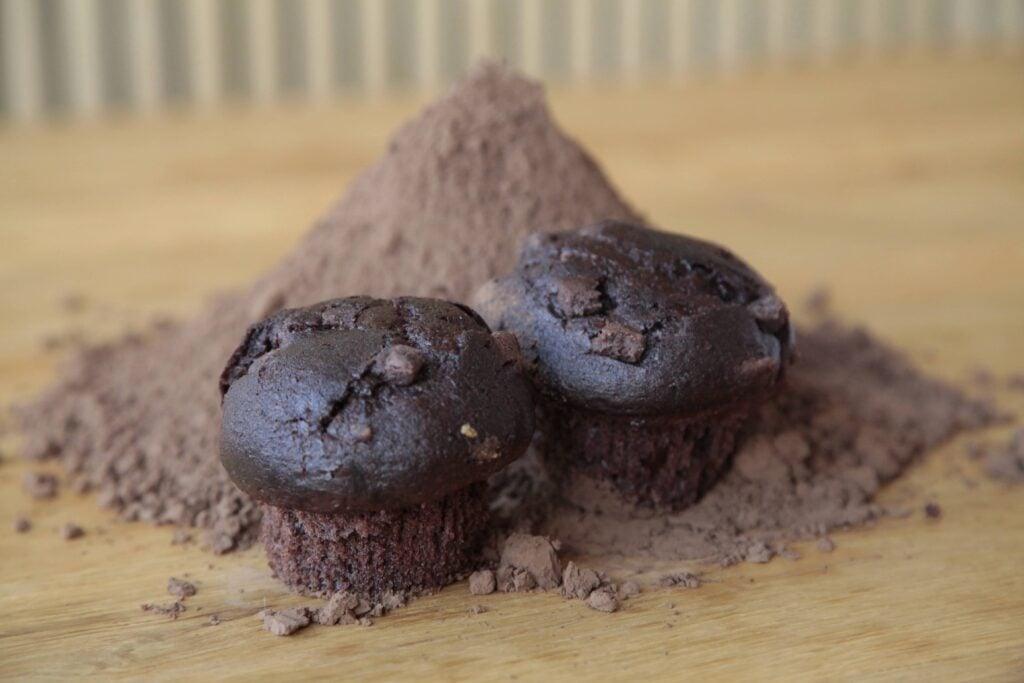
Planet A Foods’s latest ingredient is made with a process similar to cocoa powder production. “We start with a fermentation-inspired process, which is followed by a roasting step. Finally, it is finely milled to the particle size manufacturers are used to from cocoa powder,” says Sara. “We build on the know-how and IP from more than 5 years in operations.”
The startup is not disclosing the raw material at this stage, citing “competitive reasons”, but the CTO notes that it was important to choose one that solved multiple pain points: “When we spoke to R&D teams, the message was consistent: they had tested alternatives, but existing powder extenders either brought an off-taste, matched only the colour but not the taste, or came with added sugars and flavours.”
The Cocoa Booster leverages Planet A Foods’s proprietary flavour platform, which it also uses for ChoViva. “The taste and aroma develop purely through the process, which combines a fermentation-inspired step with roasting. There are no artificial or added flavours,” Sara explains.
This also helps the GLP-1-fuelled food industry move with the times. In the US, where 11% of adults actively take weight-loss medications, grocery spending falls by 5.3% within six months among households with a GLP-1 user, with snacks and sweet baked goods hit hardest. They consume 15-20% fewer calories and favour smaller, nutrient-dense portions.
According to Planet A Foods, that puts pressure on categories that rely on cocoa powder to rethink their nutritional profile without losing the flavour consumers expect. By replacing part of it with the Cocoa Booster, manufacturers can raise the fibre content of a recipe while retaining taste and colour.
Fibre is at the heart of GLP-1 nutrition. Americans eat 30% more of it when they use these drugs. And globally, active GLP-1 users plan to spend 10% more on fibre-packed foods, 8% more on functional fibre products, and 2% more on functional gut health drinks.
The Cocoa Booster comes in natural, alkalised and dark profiles to match the taste and colour of the respective cocoa powder and work in existing recipes without process changes. It can be used in applications like cookies, muffins, sponge cake, pudding creams, fat-based cream fillings, and beverages.
Planet A Foods eyes new factory for cocoa-free ingredients
The 2024 cocoa crisis occurred as the crop’s stocks fell to a decade low. Extreme weather events wiped out harvests in key producer regions, and scientists say a third of the world’s cocoa trees are at risk of extinction.
There’s a causal relationship here. Dark chocolate production itself generates more emissions than all other foods bar beef, and the cocoa industry is directly responsible for 94% and 80% of deforestation in Ghana and the Ivory Coast, the two largest producers of the crop. And with a “super” El Niño set to raise temperatures to extreme levels through to the end of 2027, cocoa harvests in these countries face new threats.
Planet A Foods’s alternative is sourced in the EU instead, so it’s independent of West African harvests, and volumes and prices can be secured long-term. “We are in conversations with leading confectionery producers globally. Markets we find particularly exciting include Asia, for example India, the Middle East, the US and the UK. We expect the first products on shelves around Q1 2027,” says Maximilian.
“It is produced at our facility in Pilsen, Czech Republic,” he adds. That factory can churn out 15,000 tonnes of its ingredients annually. “We are currently ramping up a second plant for contingency reasons and to support additional volume growth. The new plant will have six times the capacity of the old plant, and we will be able to supply significant volumes.”
It will build on the distribution footprint of ChoViva, which is used in products from the likes of Nestlé, Mars, and Lindt. “We operate globally, produce with our partners together in Europe and the US and deliver to 15 global markets, including India and Japan,” the CEO outlines. “ChoViva is now used in more than 230 products in 12 countries.”
He suggests that cocoa volatility isn’t a one-off crisis, and manufacturers need ingredients they can plan with for years, not seasons: “ChoViva has shown that alternative ingredients work at industrial scale. With our Cocoa Booster, we are bringing that experience to one of the most widely used cocoa ingredients – and we are just getting started.”
The company has been working on a precision-fermented alternative to cocoa butter, too. “Our precision-fermented butter is still in development,” says Sara. “Yet, we are expanding our portfolio, and there are some ingredients beyond chocolate coming soon next year.”
Planet A Foods is one of a number of startups working with either cocoa-free alternatives or cell-based cocoa, including Voyage Foods, Foreverland Nukoko, Prefer, Win-Win, California Cultured, Kokomodo, Celleste Bio, Food Brewer, and Galy.