

Strive Nutrition Taps Dyadic & Brig Bio to Scale Up Animal-Free Whey Protein

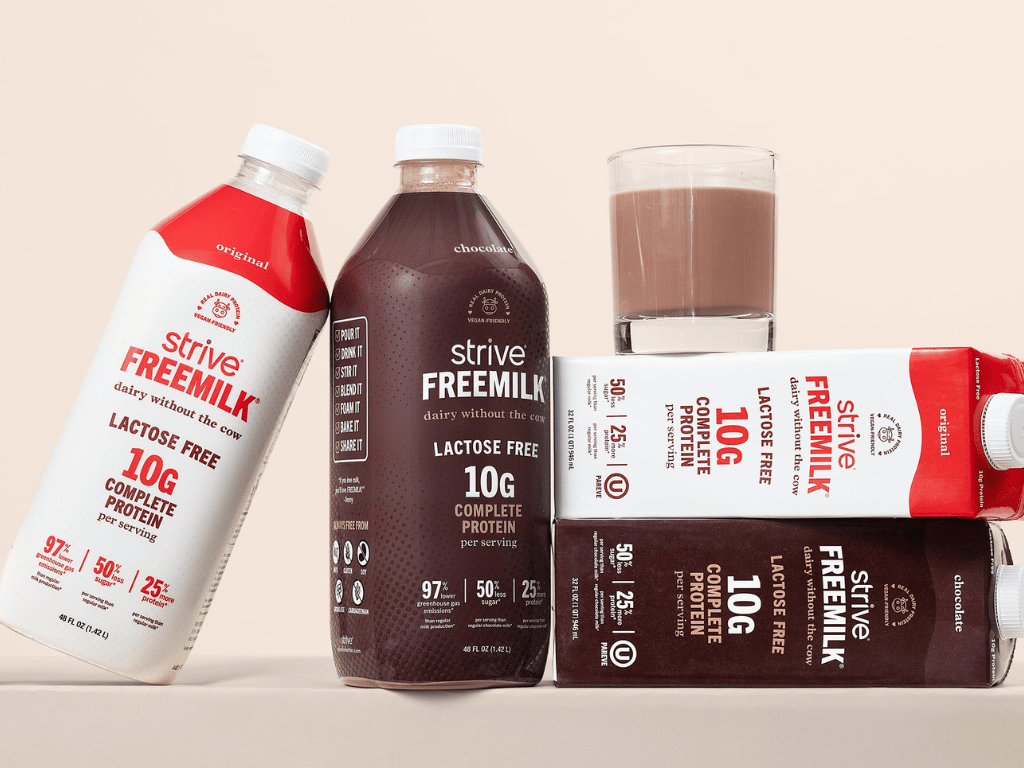
US food tech startup Strive Nutrition has teamed up with Dyadic Applied BioSolutions and Brig Bio to scale up production and speed up commercialisation of its precision-fermented whey protein.
Strive Nutrition, the company behind the Freemilk brand, is looking to boost the production and commercialisation of its recombinant whey protein through a new strategic collaboration.
The Wichita-based startup has partnered with US biotech player Dyadic Applied BioSolutions and Dutch precision fermentation specialist Brig Bio to advance its cow-free alpha-lactalbumin protein.
The deal combines Dyadic’s Dapibus protein production platform and expertise in strain optimisation and scale-up with Brig Bio’s precision fermentation commercialisation and regulatory capabilities and Strive’s Freemilk product development and go-to-market know-how.
The three firms are aiming to advance the development of Strive’s precision-fermented whey protein and expand its market presence for use in next-gen nutrition products, including the latter’s own Freemilk range of animal-free milks. They’re targeting regulatory clearance for the ingredient in 2028.
Strive expands from one cow-free whey protein to another
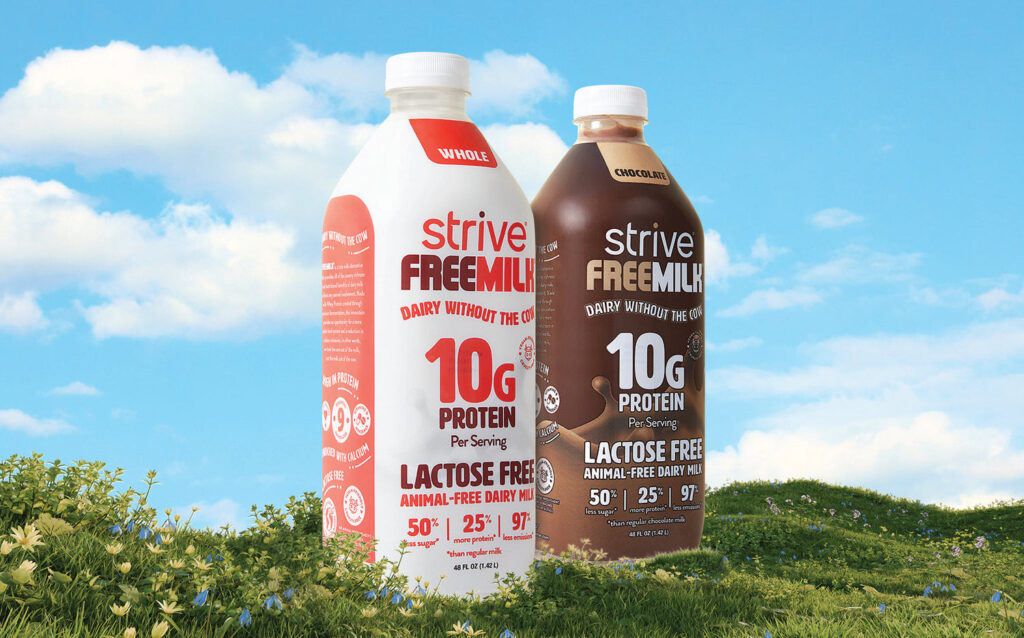
Strive first launched Freemilk in 2022, using a recombinant beta-lactoglobulin protein from precision fermentation pioneer Perfect Day. Its current range includes this protein, but the company has been working with others on this animal-free dairy protein, too, and is now looking to commercialise its own alpha-lactalbumin.
Both are whey proteins. Beta-lactoglobulin makes up around 75% of the whey content in cow’s milk and is known for its gelling, foaming and emulsification properties. Alpha-lactalbumin, meanwhile, accounts for just 17% of dairy whey content, but is revered for its functional benefits.
The latter improves sleep, aids in cognitive resilience, and relieves stress in adults, making it a suitable ingredient for functional foods, ready-to-drink beverages, clinical nutrition, and dietary supplements.
But alpha-lactalbumin’s real value lies in infant nutrition, given that the protein is present at a much higher concentration in human milk (around 36% of the whey content). It plays a key role in providing essential nutrients to infants, including amino acids and bioactive peptides, and supports gut health and immune function in early life. This is why it’s a highly prized ingredient for baby formula.
Strive co-founder and CEO Dennis Cohlmia said it is the “predominant whey protein” in breast milk. “Historically, obtaining this valuable protein from conventional dairy sources has required separating it from numerous other milk proteins, creating challenges for cost-effective production at scale,” he explained.
Indeed, extracting large amounts of this protein is difficult and expensive. Currently, it takes 1,000 litres of milk to produce just 1kg of purified alpha-lactalbumin, making it one of the costliest dairy proteins on the market.
This is where precision fermentation comes in, enabling companies to insert DNA into microbes to engineer them to produce the desired molecules when fermented. Strive’s collaboration with Dyadic and Brig Bio aims to leverage this tech by establishing an integrated pathway from protein development through to scale-up, manufacturing and commercial supply.
Dyadic and Brig Bio will optimise production of alpha-lactalbumin, focusing on productivity, quality and manufacturing economics, while Strive Nutrition will evaluate protein samples for formulation, application testing and potential use in its Freemilk range and other nutrition products.
Partnership targets 200-tonne annual output of alpha-lactalbumin
Dyadic has already been working with Brig Bio on this protein, and the two will build on this work for the Strive partnership through the former’s Dapibus platform. This proprietary tech helps lower the per-kg costs of precision-fermented proteins with high yields, enables consistent production from lab to industrial scale, and achieves native-like taste, texture, and nutrition through proper folding and bioactivity.
It provides companies with a more stable, industrial-level supply of proteins, streamlines the transition from R&D to food-grade with platforms designed for global regulatory compliance, and lowers the associated environmental impact and resource use.
“Our objective is not simply to demonstrate that Dapibus can produce commercially relevant proteins, but to work across the value chain to improve production economics, support scale-up and connect our technology with key partners, like Brig Bio, that can help develop, manufacture, commercialise and ultimately use these products,” said Dyadic president and COO Joe Hazelton.
“Our work with Dyadic is focused on further advancing the Dapibus strain and production process toward commercially viable manufacturing for high-value markets,” added Brig Bio co-founder and CEO Steven Welle. “Combining those capabilities with Strive’s product-development expertise and potential commercial application provides a realistic framework for moving alpha-lactalbumin from development toward market.”
Once Strive, Dyadic and Brig Bio have successfully developed and scaled up the protein and established regulatory readiness, quality qualification and definitive commercial agreements, they will target initial commercial availability of over 10 tonnes.
That will follow their self-determination of the ingredient as Generally Recognized as Safe (GRAS), with an annual output of more than 200 tonnes targeted over the long term.
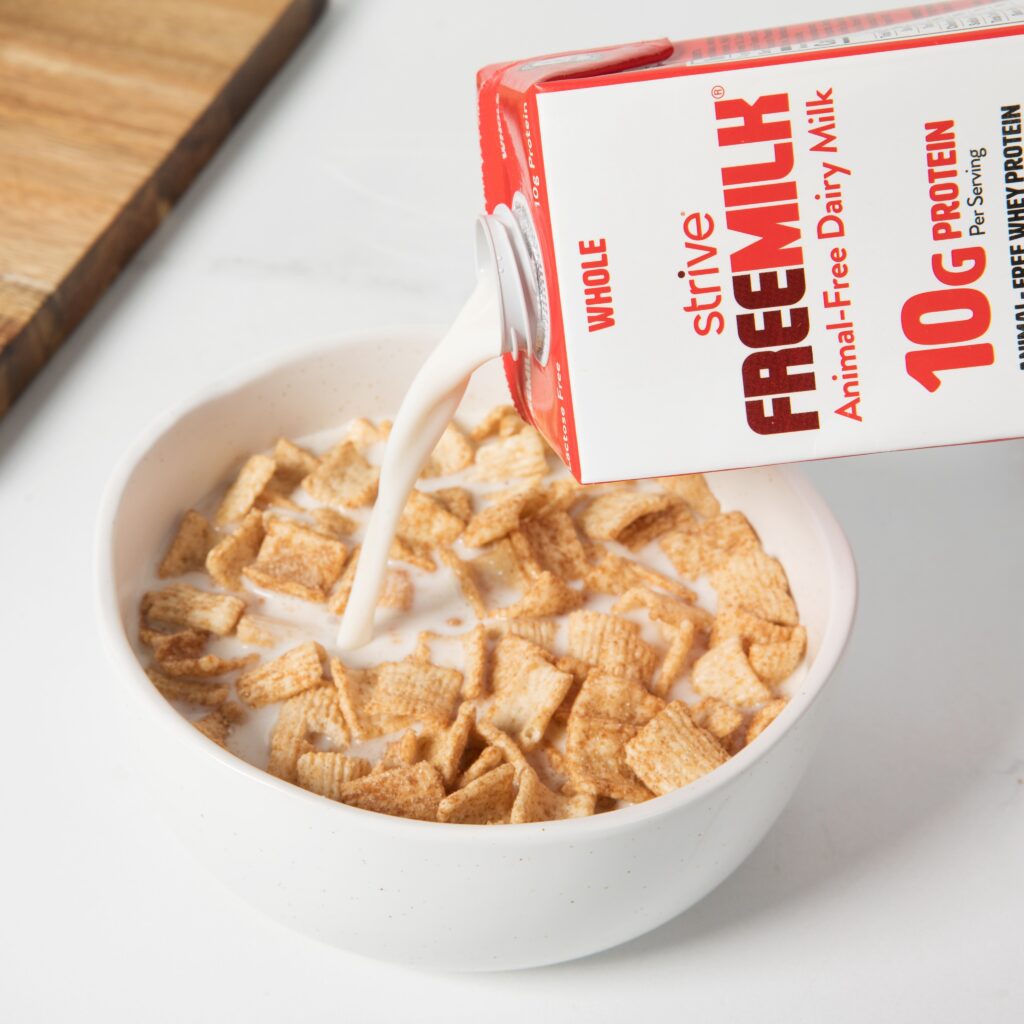
Strive, meanwhile, has expanded its Freemilk line over the last 12 months, hitting Walmart shelves with new 48oz bottles of its original and chocolate milks, which contain 10g of animal-free whey protein per cup.
“Alpha-lactalbumin is an especially exciting protein because of its important role in human nutrition and its potential to help us develop better nutritional products,” said Cohlmia. “Working with Dyadic and Brig Bio to produce alpha-lactalbumin directly through animal-free precision fermentation represents an exciting opportunity to improve access to this highly desirable ingredient.
“We see significant potential to incorporate alpha-lactalbumin into our Freemilk platform and new, innovative Strive specialised nutrition products. Bovine alpha-lactalbumin is already a major component of children’s and adult nutritional products.”