

Japanese Cellular Agriculture Pioneer IntegriCulture Says It’s Profitable

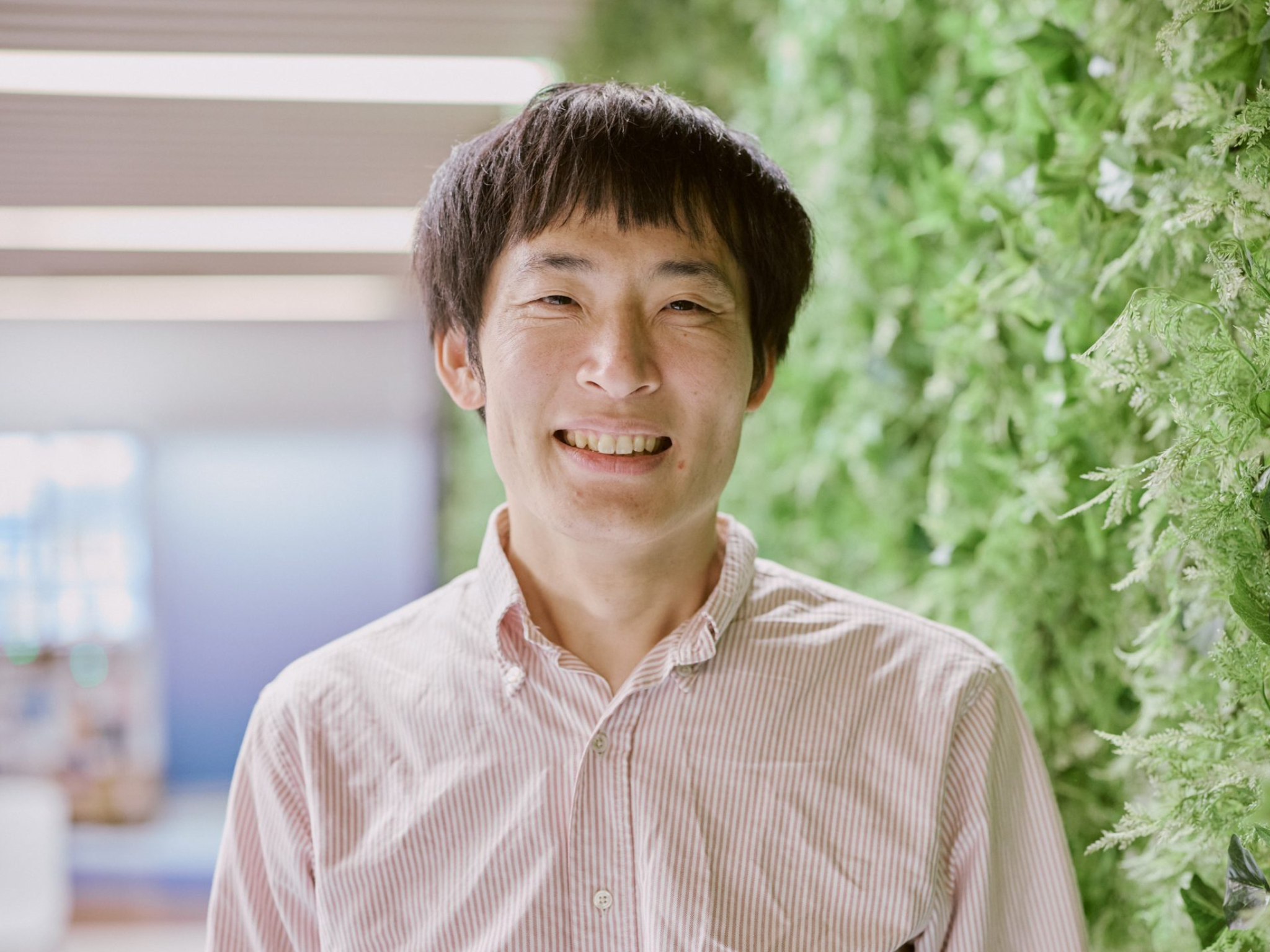
Tokyo-based biotech startup IntegriCulture posted full-year profitability in 2025, driven by its cellular agriculture infrastructure and products.
After a year of new collaborations, brand launches and product showcases, Japanese firm IntegriCulture has reaped the rewards of its progress.
The cellular agriculture pioneer achieved profitability for the 2025 financial year, becoming one of the first in the sector to break even.
The company labelled it “an important milestone” in its commercial growth, with revenue split evenly between its two core businesses: cellular agriculture infrastructure and products (primarily cosmetic ingredients).
“We have proven that our founding principle of ‘cellular agriculture accessible to everyone’ is not just an ideal, but something that can be realised as a viable business,” said IntegriCulture CEO Yuki Hanyu.
“As a general rule, the break-even point has significance in the so-called hype of most emerging technologies. I see cellular agriculture as no exception to that.”
How IntegriCulture reached profitability
IntegriCulture’s product business was boosted by the launch of Cellag, an open brand to sell its own products, as well as those by other companies, across the food, cosmetics and material sectors.
This division was dominated by its cosmetics ingredients, adoption of which continued to expand in 2025, with an increasing number of manufacturers introducing products using its cell-cultured innovation.
Within the infrastructure business, IntegriCulture recorded progress on multiple fronts across the value chain. On the upstream side, a number of products developed in its CulNet Consortium reached the commercialisation phase, including its cell-cultured serum generator units, contamination-inhibiting culture medium, and oxygen-permeable bioreactors.
Meanwhile, the company’s contract research services – aimed at developing and launching cellular agriculture products – are steadily progressing towards commercialisation.
Additionally, IntegriCulture has begun collaborating with sake breweries, with the aim of combining traditional fermentation with cutting-edge cellular agriculture to create “unprecedented regional businesses”.
“Going forward, we will further accelerate both infrastructure provision and product development, contributing to the solution of food and resource problems,” said Hanyu.
IntegriCulture looks to ‘scale-up and scale-out’ in 2026

IntegriCulture’s financial milestone came amid a burst of activity for the company throughout 2025. In April, it unveiled several prototype cultivated duck dishes and products this spring – including foie gras, a sweet and sour posset, a spicy blood sausage, and a cocoa-liver paste – months after receiving a special overdraft loan of ¥100M ($685,000) from Mizuho Bank.
It then began shipping its Cell-Cultured Meat Starter Kit, first unveiled last year, to universities across the globe, in a bid to fast-track cultivated meat R&D. Further, the company commissioned an Advanced C-CulNet system to enable commercial-scale production of animal-free serum for cultivated proteins, and co-launched a production-scale bioreactor with industrial equipment manufacturer Hamano Products.
IntegriCulture advanced its R&D partnership with Ichimasa Kamaboko and Maruha Nichiro to develop a cultivated fish paste, and teamed up with Singapore’s Umami Bioworks to develop beauty and skincare products using cultured fish cells.
Moreover, it held the first user meeting for Ocatté Base, its marketplace for food-grade materials for cellular agriculture, and announced an R&D collaboration with Tsunan Sake Brewery to use its “natural water” to create cell-cultured food and cosmetic ingredients.
The firm now plans to further advance the commercialisation of its cellular agriculture technologies. “This profitability is proof that our technology has moved beyond the lab and is now operating as a real industry,” said Hanyu.
“We will continue with the long journey through both scale-up and scale-out, leveraging on the sustained R&D ecosystem we have built,” he added.