

Mosa Meat Raises $17.6M, Slashes Production Costs Ahead of Cultivated Beef Launch


Dutch cultivated meat pioneer Mosa Meat has secured €15M ($17.6M) in funding to support its regulatory progress and market entry, while dramatically cutting production costs.
Following an oversubscribed crowdfunding round and several regulatory applications, Mosa Meat is closing the year with another win.
The Dutch cultivated meat startup has raised €15M ($17.6M) in new financing from a number of existing investors, including state-owned impact investors Invest-NL (backed by a guarantee from InvestEU) and LIOF, poultry producer PHW Group (which has a background in cultivated meat financing), and Just Eat Takeaway.com founder and CEO Jitse Groen.
The fresh capital extends Mosa Meat’s runway into 2028, confirmed chief business officer Tim van de Rijdt. It will be used to support its next phase of regulatory approvals and prepare for market entry.
“We raised what’s needed to bring us to the next value inflexion point, which is first revenues from market entry,” van de Rijdt tells Green Queen.
It takes the firm’s total raised past $156M, following a €40M ($42.2M at the time) Series A raise in 2024 and the €3.7M ($3.9M) crowdfunding round earlier this year.
“Cultivated meat is an important component in the protein transition needed to reduce the impact of livestock farming,” said Victor Meijer, investment principal at Invest-NL. “As in any emerging sector, investing in cultivated meat is challenging and requires stamina. Mosa Meat has built a strong foundation and is taking clear steps toward commercialisation.”
Mosa Meat’s cultivated meat now 100,000-fold cheaper
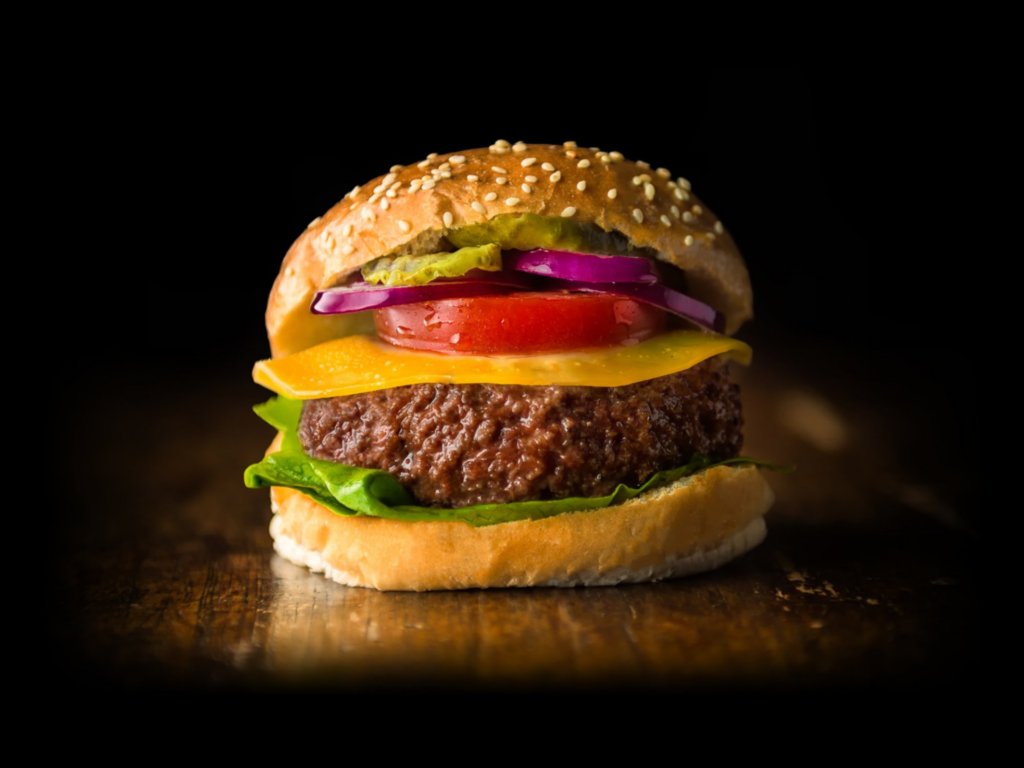
Mosa Meat is one of the earliest players in the cultivated meat space, with its co-founder and CSO, Dr Mark Post, unveiling the world’s first cultivated beef burgers at a now-famous press conference in London in 2013.
At the time, the two proof-of-concept burger patties cost $330,000 to make. Since then, the firm has since dramatically lowered its production costs, reducing the price of its growth medium by 80-fold in 2020 and its fat medium by 66 times a year later.
“Today, through fundamental scientific breakthroughs and scaling efficiencies, we are producing burgers at a price point ready for restaurant menus,” said Mosa Meat CEO Maarten Bosch. “With the backing of our world-class investors, we have successfully turned a science project into a tasty and affordable product without compromising on our original vision.”
The startup has now reduced its costs by 99.999% compared to that initial set of burgers. Though van de Rijdt did not reveal the exact cost of each burger, he explains: “Per burger, the cost has been reduced 100,000-fold for production happening today, with the expectation to have further lowered it by the time we receive market approval.
“[The] reduction of cost has been the outcome of hitting many milestones across several areas,f ranging from expanding our fundamental scientific understanding of the cells we work with and further optimising the production bioprocess, to product development.”
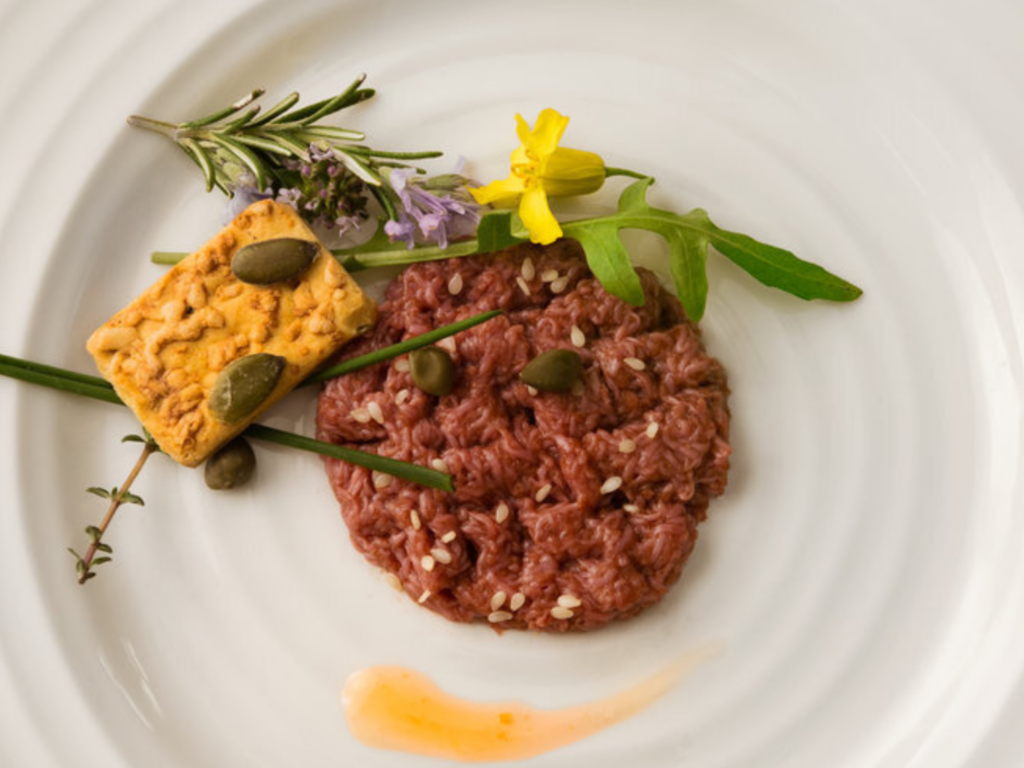
One major factor behind Mosa Meat’s cost breakthroughs is its hybrid approach. The startup produces cultivated beef fat, not proteins, since this element is the primary flavour carrier and textural base for meat. This is then mixed with plant-based ingredients to create hybrid burgers.
Mosa Meat expects UK approval first
Mosa Meat has filed for regulatory approval in Singapore, the European Union, Switzerland, and the UK. In the latter, it’s part of the government’s cultivated meat sandbox, which convenes startups, researchers and regulators to design standards for these products.
It was only this month that the UK Food Standards Agency published its first set of guidelines for regulatory submissions for cultivated meat. “[We] expect the UK to be the first market where we receive an approval,” reveals van de Rijdt. “We will be targeting foodservice/restaurants first, as those are best fitting for the initial volumes and cost levels.”
The firm’s funding success comes amid a grim financial period for cultivated meat. Startups in this segment only received $36M in the first nine months of 2025. In contrast, this technology attracted $139M in 2024, itself a 40% decline from the previous year.
That lack of investor interest has sounded the death knell for many cultivated meat players this year, including fellow Dutch startups Meatable and Upstream Foods, as well as Believer Meats, which had secured full approval in the US and opened the world’s largest cultivated meat factory months earlier.
“[The] capital markets for food tech [and] alternative protein have been less than ideal in the past years, so raising money is not easy. But we are very grateful for the continued support from our investors,” says van de Rijdt.
“In a financial climate like the current [one], it is expected for pre-revenue startups to struggle,” he adds. “And while we are sad to see talented, passionate teams cease operations, the progress we witnessed in 2025 makes us confident that this sector can have a bright future.”