

Cultivated Salmon, Carbon Butter & Mycoprotein Named Time’s Best Inventions of 2025


Time Magazine has released its annual list of the world’s best inventions, recognising a range of alternative protein and future food innovations.
From fish grown in bioreactors to butter made from carbon, some of this year’s most exciting food tech innovations have made it to Time Magazine’s list of the Best Inventions of 2025.
The annual publication has been expanded to include 300 products and technologies, the biggest in its 25-year history. The magazine sought nominations from its editors and correspondents around the world, with special attention paid to growing fields like AI and healthcare.
Each innovation was evaluated on a range of factors, including originality, efficacy, ambition, and impact. The honourees span a multitude of categories, including food and drink, agriculture, sustainability, green tech, and social impact.
When it comes to food tech, the 2025 list features innovations like cultivated seafood, animal- and plant-free butter, vegan gummies, mycoprotein, and more.
Wildtype, Savor, and The Better Meat Co among 2025 honourees

One of the headline inventions named by Time this year is the cultivated coho salmon saku by Californian startup Wildtype. The product received regulatory approval from the FDA this year, and has since appeared on the menus of restaurants in six states.
The company was the first to sell cultivated seafood anywhere in the world, and has joined forces with cultivated chicken maker Upside Foods to sue Texas over its ban on these proteins.
California is, in fact, home to several food tech startups on Time’s Best Inventions list. This includes Savor, which transforms point-captured carbon dioxide, green hydrogen, and methane into agriculture-free fats that can replace dairy and palm oil.
It launched its carbon-derived butter this year, working with the patisserie of San Francisco’s Michelin-starred outpost, One65, to sell bonbons and cookies. Moreover, Savor has partnered with fellow Michelin-starred eateries SingleThread and Atelier Crenn, and beloved establishment Jane the Bakery. And it’s now raising a Series B round to build a 10,000-tonne facility.
Speaking of fundraisers, in August, West Sacramento-based The Better Meat Co secured $31M in Series A funding for its Rhiza mycoprotein, a whole-biomass ingredient offering complete protein and high digestibility. Recognised on Time’s list, it is produced by feeding microbes on sorghum and potato sidestreams, and is on course to beat commodity beef prices next year.
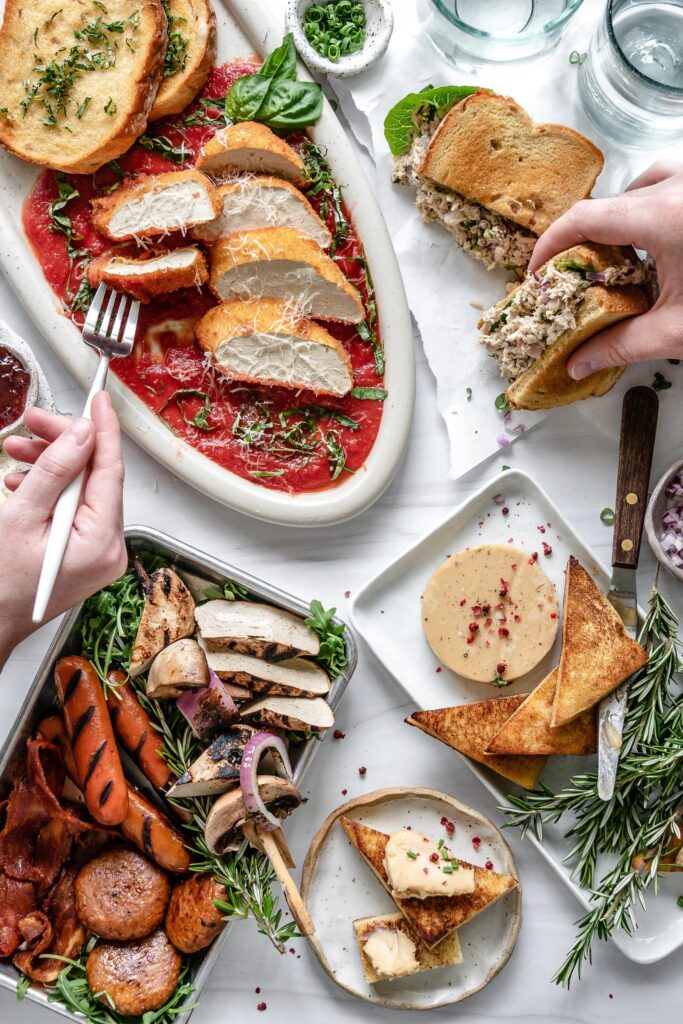
Rhiza can be used in vegan and blended meat applications, and is already sold to Hormel Foods, Maple Leaf Foods, K12 caterer SFE, and plant-based salmon maker Oshi. The company has secured five agreements from major meat producers in North America, South America and Asia, which are set to bring $13M in annual revenue.
Meanwhile, Swedish firm Orkla Snacks’s vegan foamy gummies, called Bubs, went viral on social media last year, causing an unexpected supply shortage. Now, four new flavours have been launched in the US, made from the same proprietary recipe and manufacturing technique that earned it a spot on Time’s list.
In the experimental category of the Best Inventions list, Time namechecked a cultivated chicken that made international headlines. University of Tokyo researchers created a nugget-sized piece of meat via a hollow fibre bioreactor, opening possibilities to grow whole cuts of cultivated meat, the industry’s holy grail.
Time Magazine’s list featured 100 special mentions, and among them is Texas-based artisanal dairy-free brand Rebel Cheese, which uses “cave ageing and proprietary cultures to better match the flavours of their dairy counterparts”.
Beyond Meat, Impossible Foods and Alpro named World’s Best Brands

This week, Time Magazine also released its annual list of the World’s Best Brands, which aims to guide consumers to make more informed decisions and navigate through the brands available in each category.
The publication works with Statista to identify the top brands in the US, the UK, Germany, and Mexico, based on surveys of over 90,000 consumers in each country (India and Brazil will be added in December).
A weighted overall score based on brand awareness (15%), social buzz (10%), likability (30%), usage (15%), and loyalty (30%) was calculated for each brand in the 72 categories. The top-rated entry’s overall score was set at 100, and the scores of the following brands were adjusted accordingly.
In the US, Silk was named the top plant-based milk brand, followed by Almond Breeze, Chobani, Planet Oat, and Califia Farms. Likewise, Chobani topped the overall yoghurt category (it makes both dairy and plant-based versions), and Silk’s fully dairy-free yoghurts were third.
When it came to meat alternatives, Kellanova-owned MorningStar Farms was recognised as the best brand in the US, followed closely by Beyond Meat (with a score of 98.2) and Impossible Foods (92). Field Roast and Gardein rounded out the top five.

In the UK, Alpro was named as the best plant-based milk brand in 2025 by Time, with Oatly close behind. Califia Farms, Rude Health and Koko were on the list aswell, though the gap between the scores is sizeable. Alpro was fifth in the overall yoghurt segment. Meanwhile, market-leading Quorn was the best meat-free brand, a list featuring Linda McCartney, Beyond Meat, Amy’s Kitchen, and Cauldron Foods too.
Alpro’s dominance of the non-dairy milk market continued in Germany, where it was trailed by Alnatura, Oatly, KoRo and Bio Primo. Rügenwalder Mühle won the honour of the best meat alternative brand, with Green Cuisine, Alnatura, Beyond Meat, and Nestlé’s Garden Gourmet also on the list.
Finally, in Mexico, local company César Soya was named the best brand of meat analogues, followed by Gardein, fellow Mexican firm Soi-yah!, Loma Linda, and Beyond Meat.