

Singapore’s Rize Raises $31M to Scale Low-Emission Rice Farming Across Asia

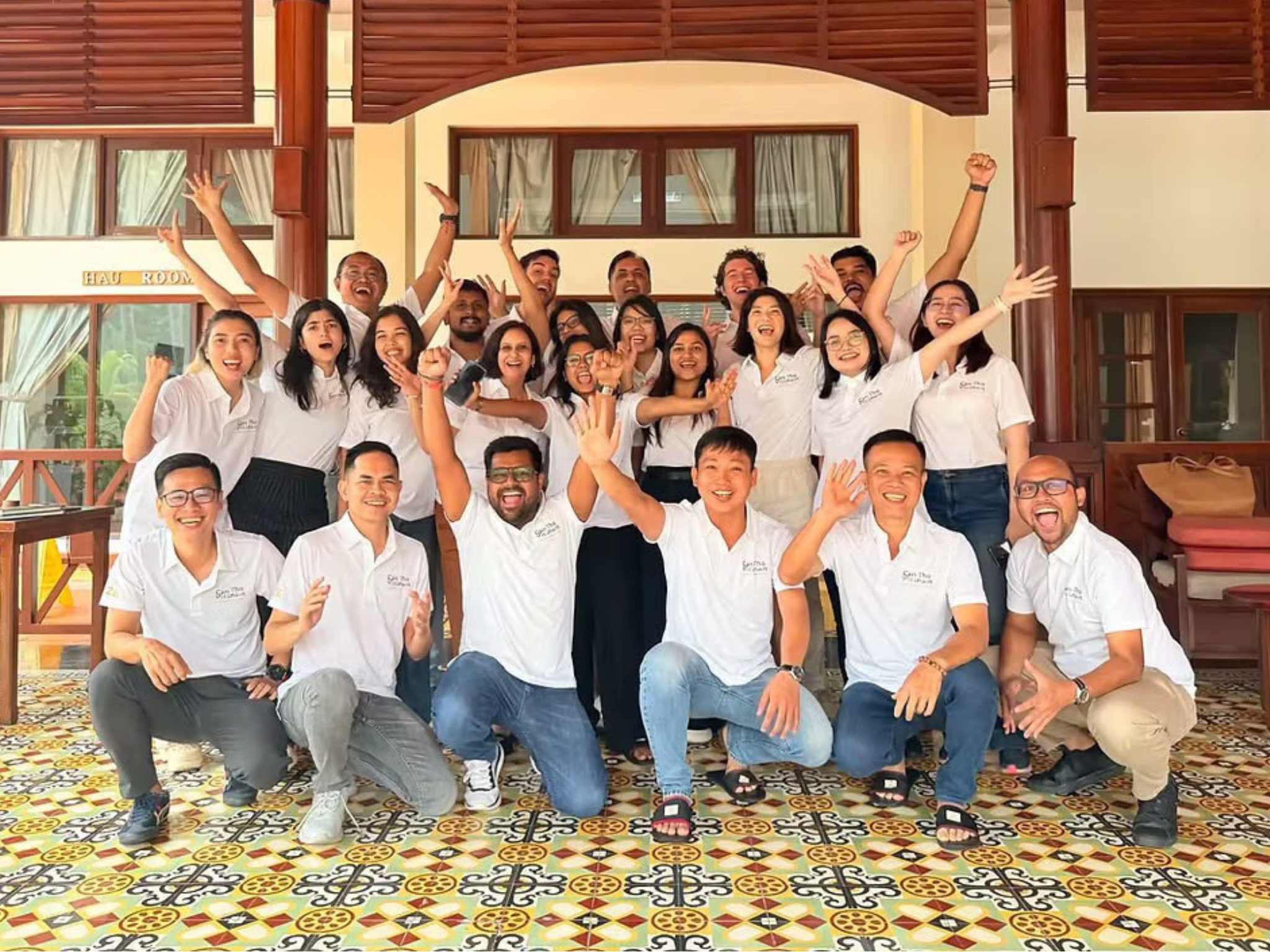
Singaporean agritech startup Rize has closed a $31M Series B investment to aggressively expand sustainable, low-methane rice farming across Southeast Asia.
Rize, a Singapore-based startup futureproofing rice production, has secured $31M in funding to scale up its agronomy platform and cut methane emissions across Southeast Asia.
The Series B round includes $20M in equity funding led by BNP Paribas Asset Management, with further participation from the Rockefeller Foundation, Singapore state-owned fund Temasek, and Bill Gates’s Breakthrough Energy Ventures. The remaining $11M comes in the form of debt from UOB, BIDV and Temasek Foundation.
In the last two years, the agritech player has expanded tenfold, reaching 17,000 smallholder farmers across 50,000 hectares in Vietnam and Indonesia, and helping ship 1,500 tonnes of low-emission rice to Europe, Canada, Australia, and Singapore.
The funding takes its total raised to $47M, and will help Rize bring its sustainable rice farming network to more than 150,000 farmers by the end of the decade, covering over 300,000 hectares.
“Capital deployed into high-impact, durable platforms in underserved markets can deliver meaningful and measurable environmental outcomes to help address climate challenges,” said Alexandre Martin-Min, head of natural capital and impact investments at BNP Paribas Asset Management
“Rize has positioned itself at the intersection of sustainable agriculture, carbon finance, and verified commodity trade, very much aligned to our strategy to protect, restore, and sustainably manage natural ecosystems while delivering competitive financial returns for investors.”
Rice has a methane problem
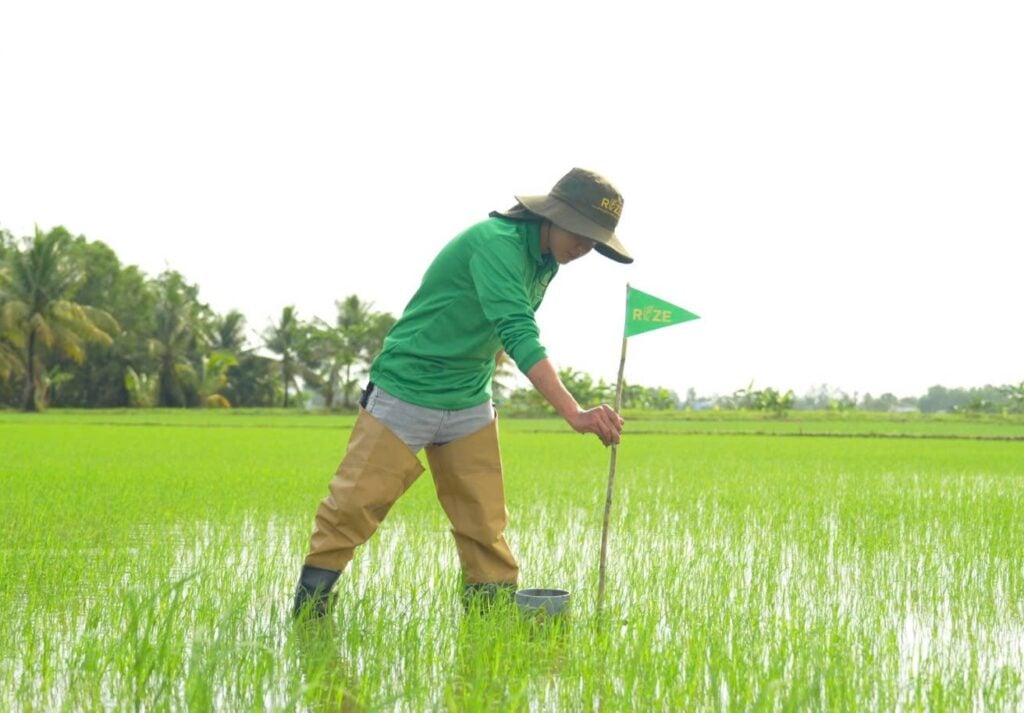
Rize emerged in 2022 as a joint venture between Temasek, Breakthrough Energy Ventures, 100×100 and GenZero to tackle one of the biggest sources of methane emissions.
Asia produces more than 90% of the world’s rice, a crop that supplies half the world’s population as a staple food. The problem? Rice is also responsible for 9-12% of global methane output, equivalent to the entire aviation industry. It accounts for around 1.5% of all greenhouse gas emissions, too.
Methane has an outsized impact on the planet in the short term. It’s responsible for around 0.5°C of global warming, and is 86 times more potent than CO2 over a 20-year period. The gas is the primary contributor to ground-level ozone, which causes a million premature deaths each year.
Its emissions are rising faster than ever before, growing by as much as 20% between 2000 and 2020. And without action, human-caused methane emissions will rise by up to 13% from 2020-30, taking the world in the opposite direction on the path to 1.5°C.
Climate change itself is disrupting the rice industry. Rising temperatures could shrink rice yields by 40% by the end of the century, and are already raising arsenic levels in the crop. Extreme rainfall has reduced rice yields in China over the last 20 years, and nearly 250,000 acres of land in the Mekong Delta, known as Vietnam’s rice bowl, are being taken out of production, partly due to the climate crisis.
Among the most effective methane mitigation strategies for rice farmers is alternative wetting and drying (AWD), which involves several wet and dry cycles, rather than keeping the paddy flooded the whole time. This can substantially curb emissions and water without affecting yield.
But according to the Climate & Clean Air Coalition, individual producers who do not pay for water inputs by volume or earn a premium for low-emission rice have no incentive to change their practices. That’s where Rize comes in.
The startup champions AWD by purchasing seeds, fertilisers, and other inputs in bulk and selling them to farmers in bulk to implement AWD. It also works to ensure that the rice grown this way meets the Maximum Residue Limit standards required by premium export markets.
Its tech has been proven to cut emissions in half and water use by up to 30%, while inflating farmer incomes by 30% without reducing yield. It aims to eliminate 500 million tonnes of CO2e by 2040.
How Rize plans to expand its climate-friendly rice platform
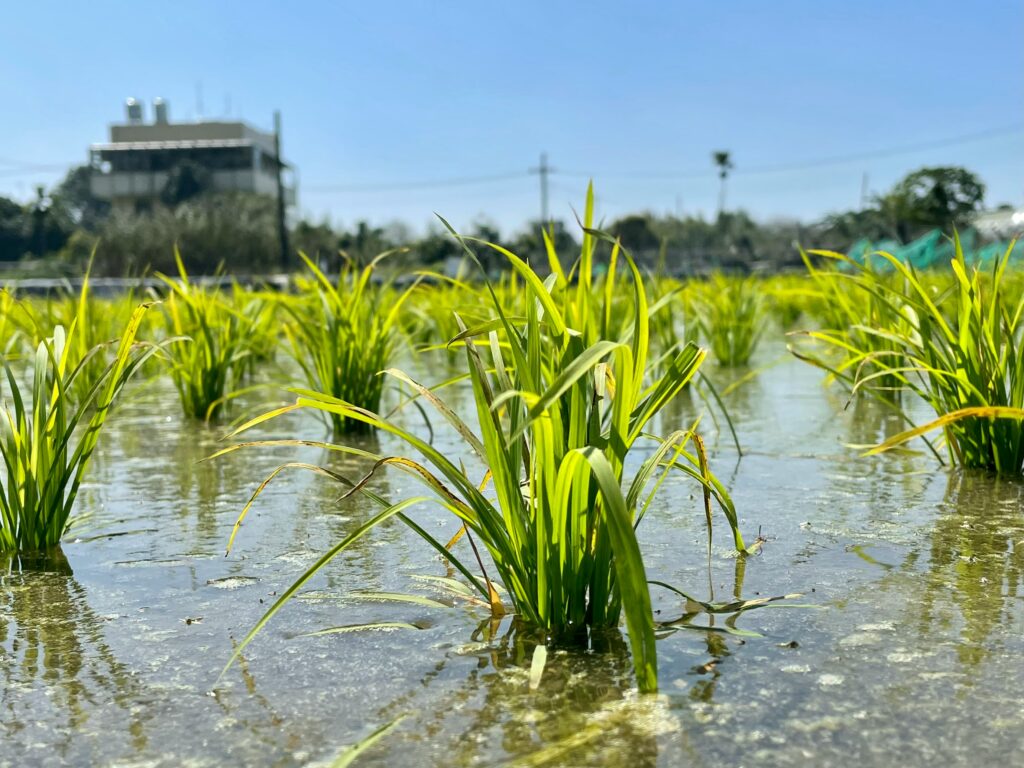
Rize will use the new capital to scale AWD adoption across Southeast Asia by expanding to new markets, advancing carbon certification, and building artificial intelligence (AI) tools for farmers and field teams.
It will strengthen market links into export markets, deepen traceability across the value chain, and bring low-emission rice at no premiums. The startup will double down on innovation and modern farming practices to drive higher yields, lower emissions, and better outcomes for growers.
Plus, Rize will open the platform up to new ecosystem partners, so input and services players and agritech providers can access its farmer network to help producers grow more and better.
“This investment allows us to unlock the next phase of growth by further expanding scale, investing in market linkage and exports, and cutting-edge technologies to deliver better decision-making, better productivity, and better outcomes across the whole value chain,” said Rize co-founder and CEO Dhruv Sawhney.
“This is more than just a funding milestone. It is recognition of the foundation Rize has built and a clear signal that we are ready to create a more connected, resilient, and sustainable food system for smallholder farmers.”
Slav Gatchev, VP of innovative finance at the Rockefeller Foundation, nodded to the resource management, financing, and market access issues faced by smallholder farmers across Asia.
“We are proud to support Rize’s efforts to promote the adoption of tech-enabled regenerative practices, ultimately driving higher yields and increasing incomes for those who need help the most,” he said.
Rize is among a number of startups focused on climate-friendly rice farming. Fellow Singaporean player AgriG8 uses a gamified digital platform to help rice farmers lower emissions via AWD. Indian-American firm MittiLabs and France’s CarbonFarm use AI and satellite tech for carbon credits, though the efficacy of the voluntary carbon market has been called into question multiple times.