

Future Food Quick Bites: Fitgreenmind at Dean&David, Lidl x Olio & Plant-Based China

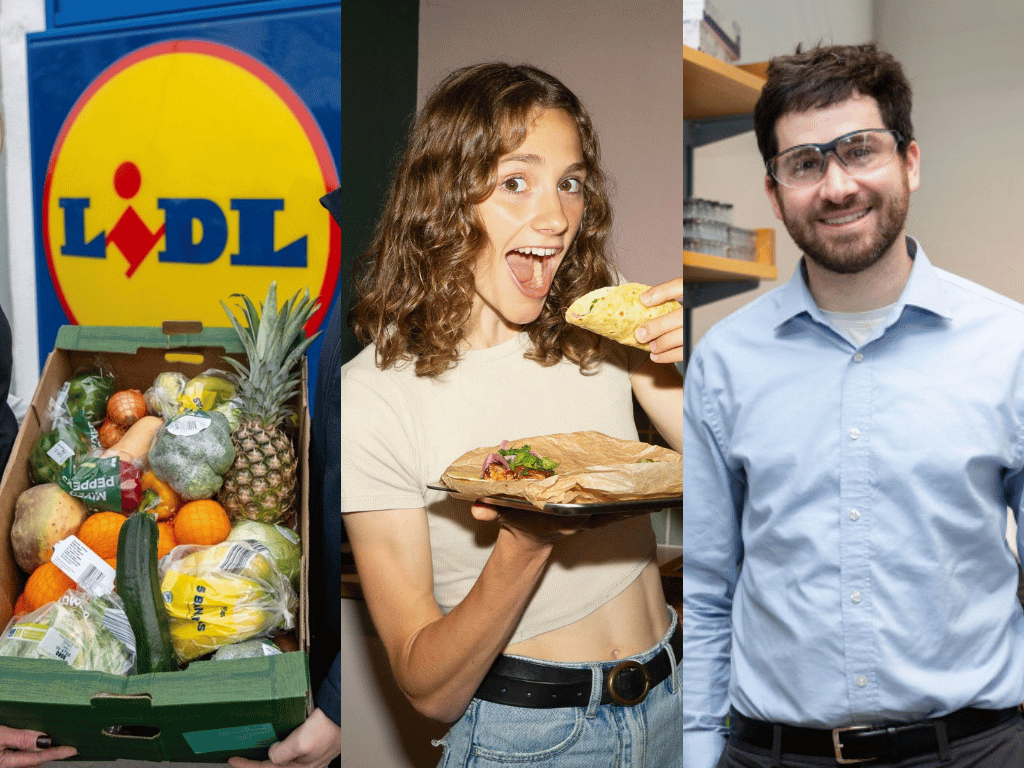
Our weekly column rounds up the latest sustainable food innovation news. This week, Future Food Quick Bites covers Fitgreenmind’s partnership with Dean&David, Plantstrong’s packaging refresh, and Lidl’s extended food waste collaboration with Olio.
New products and launches
As part of its partnership with Swiss meat alternative maker Planted, German vegan food blog Fitgreenmind – led by influencer Maya Leinenbach – will take over fast-casual chain Dean&David‘s store on Stuttgart’s Calwer Straße, featuring a fully plant-based menu, a free matcha tasting, and a meet-and-greet with Leinenbach.
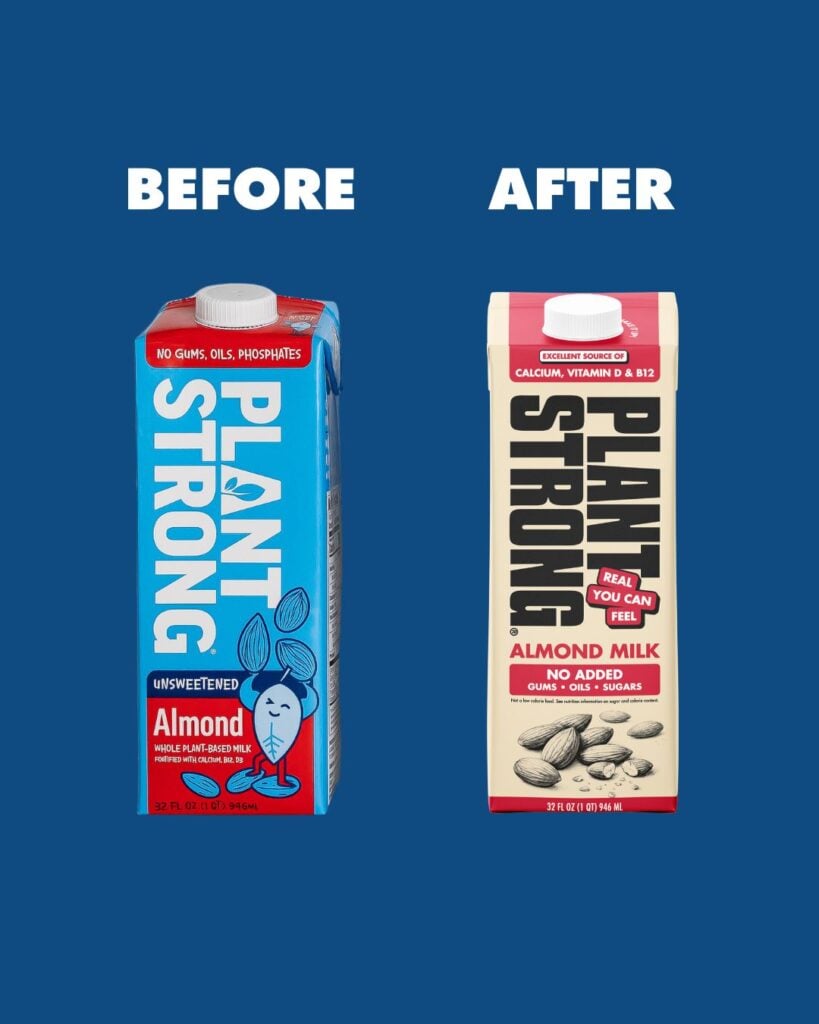
US vegan food brand Plantstrong has revamped the packaging of its unsweetened almond milk, which now has a new colour scheme and an added emphasis on its clean-label formulation and micronutrient delivery.
FluxBio, which has developed a microporous water technology that increases the gas-carrying capacity of fermentation liquids to increase yields, has emerged as a spinout of Harvard University.
In the UK, restaurant chain Din Tai Fung has partnered with 3D-printed protein maker Redefine Meat to launch three plant-based specials on its London menu: vegan mince and vegetable bao, noodles with mince and spicy bean sauce, and braised aubergine.
And German vegan pet food maker VegDog has entered Italy through the B2B route, while also introducing a dedicated website for consumers. It plans to expand into more countries next year.
Company, finance, policy and research developments
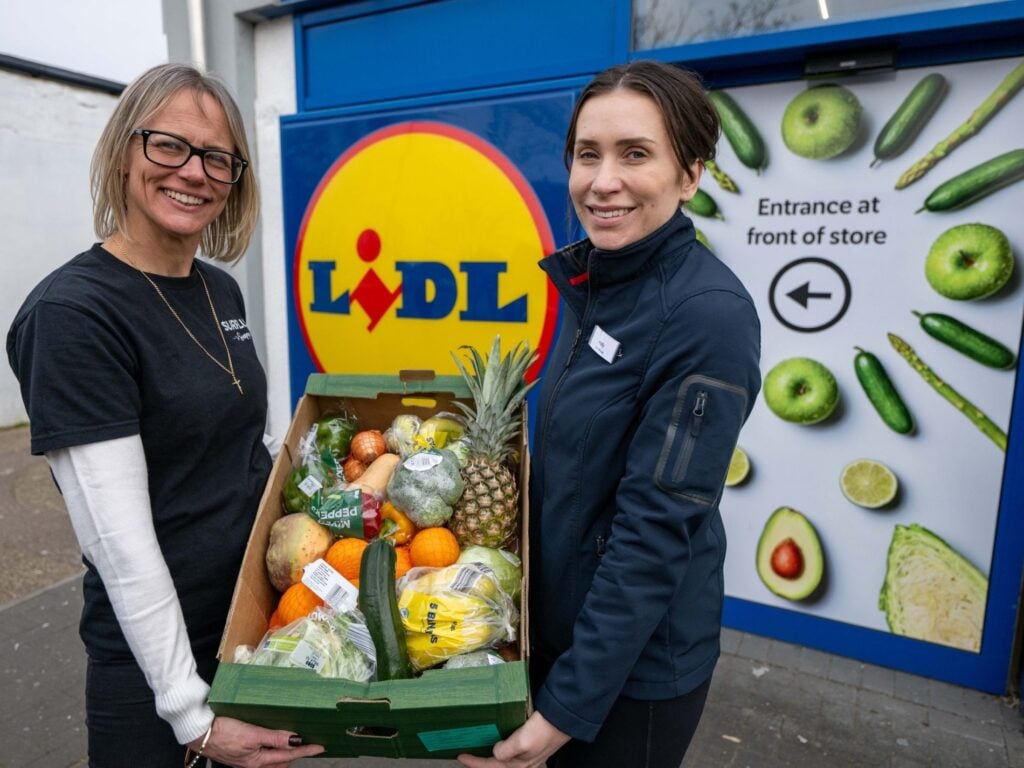
In the UK, discount supermarket Lidl and giving platform Neighbourly have extended their partnership with food waste reduction app Olio, enabling shoppers to acquire surplus food at the end of the day from 200 stores now. It’s part of Lidl’s goal to cut food waste by 70% by 2030.
Canada’s Lallemand Health Solutions has acquired enzyme producer Virginia-based Bio-Cat for an undisclosed sum, boosting its capabilities in enzyme, probiotic and microbial technologies, as well as its manufacturing footprint in the US.
A study by Rutgers University tested the endurance and strength of physically active college students as they switched between plant-based and omnivore diets, and found no statistically significant differences in how far they ran or how much weight they lifted after four weeks. It’s the latest in a long line of research proving the efficacy of vegan diets on sports performance.
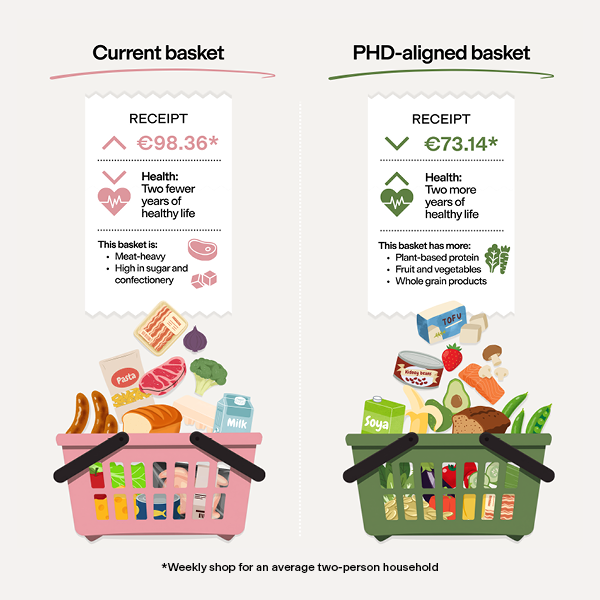
New research by Madre Brava and Patos Solutions reveals that a grocery basket aligned with the Eat-Lancet Commission’s Planetary Health Diet – which entails eating mostly plant-based foods – costs a two-person household in Germany around €25 less than the average shop. That equates to €1,315 in savings annually, with two additional years of healthy life.
In China, Artyzen Hospitality Group has expanded its pledge to make 30% of its restaurant menus plant-based by the end of 2027 from a regional pilot to its entire portfolio of hotels, building on similar commitments made by leading hotels in the country.
Finally, Universiti Sains Malaysia, a public university in Georgetown, and Indian alternative protein consultancy Altruistic Innovations have joined the APAC Society for Cellular Agriculture as strategic members.
Check out last week’s Future Food Quick Bites.