

Exclusive: One of China’s Top Hotels to Turn Half Its Menu Plant-Based by 2029

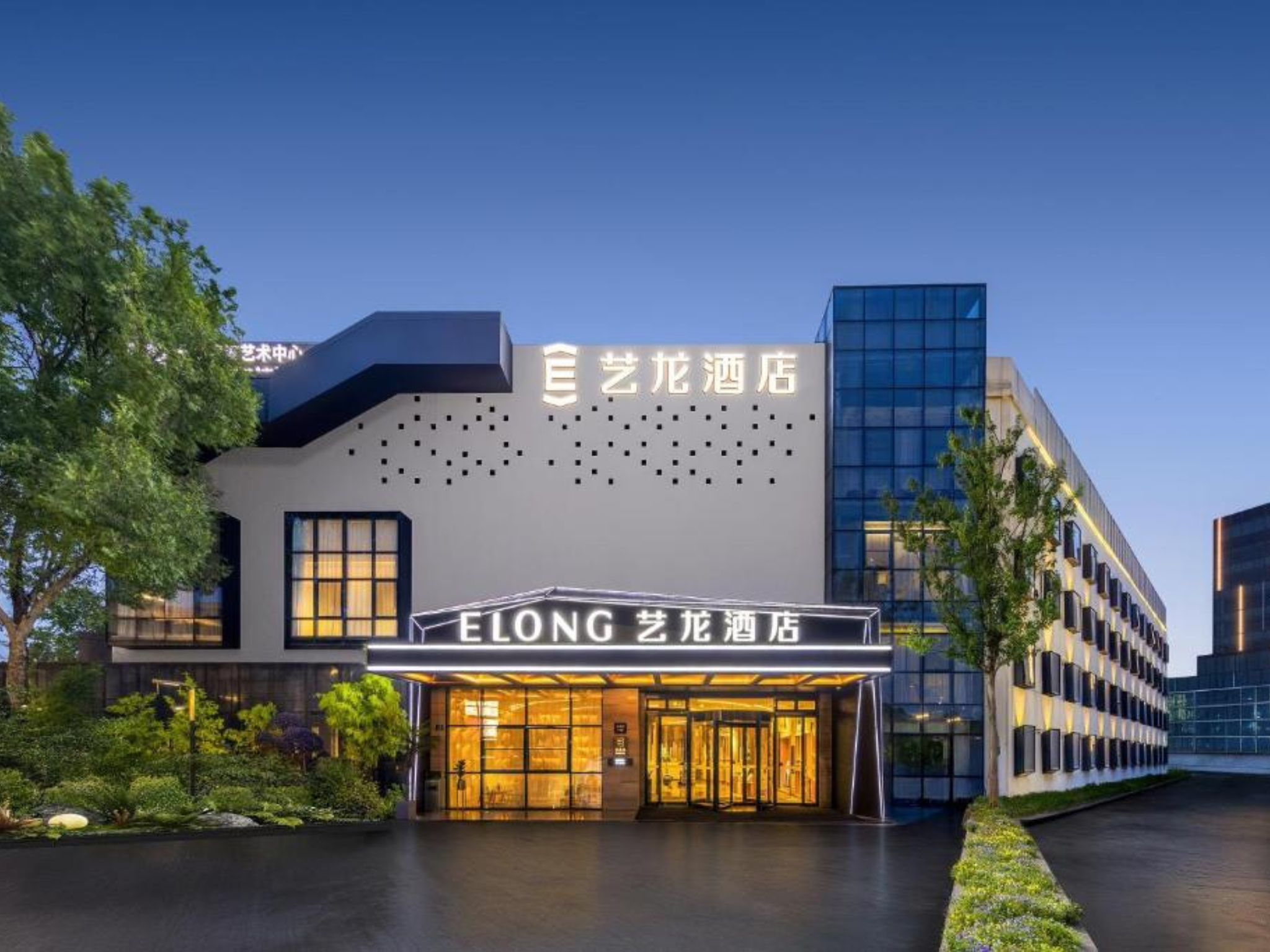
eLong Hotel Technology, which operates over 3,000 hotels and has 35 million loyalty members in China, has pledged to make 50% of its menu items plant-based within three years.
China’s hospitality industry is complementing the government’s efforts to diversify its protein sources and greenify the food system.
After a spate of hotels declared goals to increase the share of plant-based food available on their menus, eLong Hotel Technology has announced one of the most ambitious targets yet.
One of China’s top 10 hotel groups (and the 19th-largest globally), the company has said it will turn 50% of its menu items plant-based within the next three years. Currently, plants make up around 40% of its offerings.
eLong currently operates more than 3,000 properties in over 300 cities, as well as eight overseas countries. Its platform includes hotel management companies such as Yicheng, Perling, Qicheng, and Aidianjing, and its eLong Club membership programme boasts 35 million members.
“eLong has always focused on healthy eating and sustainable development, constantly exploring how to empower and support our partner brands to better respond to consumer needs,” states a representative for the hotel group.
Why China’s hospitality sector is embracing plant-based food
“The goal is to help eLong translate its commitment into practical, guest-friendly offerings that can be rolled out effectively across its properties,” says Cecilia Zhao, sustainability programme director at Lever China, a consultancy firm closely supporting eLong with the implementation phase.
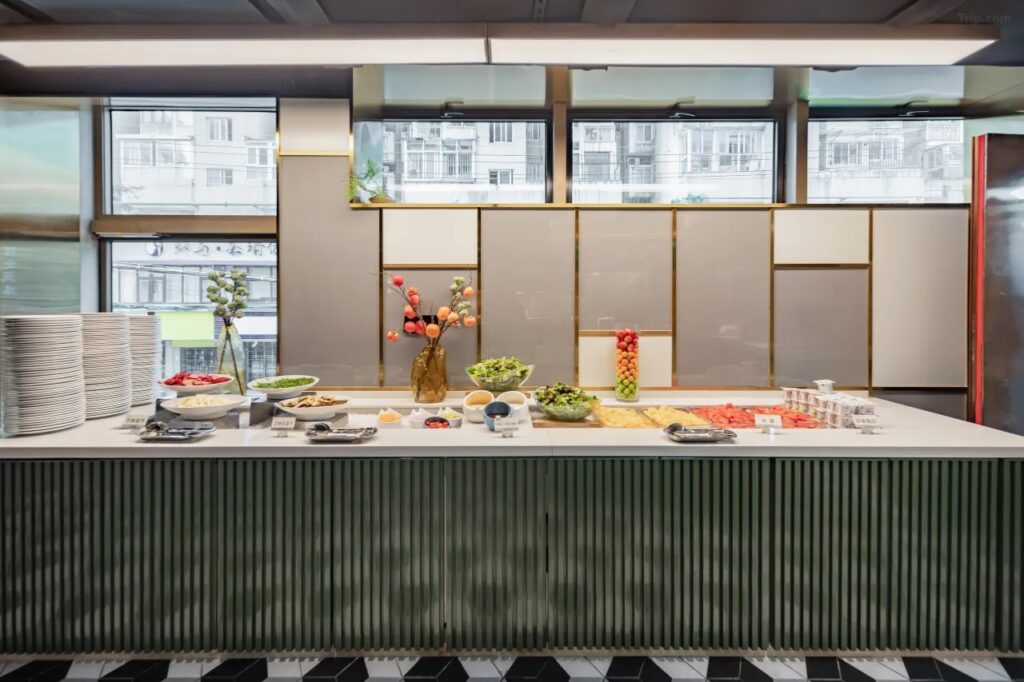
“The plan begins with breakfast – a practical entry point with high guest reach and strong potential for plant-based innovation,” she tells Green Queen. “Lever China will provide chef support and share plant-based dish inspiration tailored to eLong’s brand positioning, alongside seasonal menu ideas to keep offerings fresh and relevant.”
eLong already has over 4,600 signed hotels in the pipeline, and its food sustainability commitments are set to expand its footprint, according to Lever China.
It follows a widespread shift towards plant-rich menus in China’s hospitality sector over the last couple of years, driven by a health-conscious consumer base, government policies, and competitive pressure.
In 2025, Lever China released a plant-based food scorecard for the industry, awarding an A+ rating to 11 major hotel groups (covering over 4,800 properties), including Accor Hotels, Langham (both of which vowed to turn 50% of their menu vegan by the end of the decade), Orange Hotel, OctaveHotels (each promising 70% by the end of 2025), IHG, Marriott, and Dossen Group (30% by 2025), among others.
It’s not just hotels: China’s restaurants are embracing plant-based foods, too, with major chains committing to transform their menu over the next two years. Among them is Yang Guo Fu, a hotpot chain with more than 7,000 locations, where half the ingredient selection is now plant-based. In fact, in the last five years, the number of meat-free eateries has nearly tripled from under 5,000 to over 14,000.
So what’s driving the country’s foodservice industry towards plants? “Several forces are converging. Consumer expectations are shifting, with more guests seeking lighter, healthier, and more diverse dining experiences,” says Zhao.
“At the same time, hotels are under growing pressure to address sustainability, and food is one of the most visible and actionable areas to do so. Plant-based menus also open up creative space for culinary storytelling and brand differentiation, while broadening appeal across a wider range of guest preferences.
“The result is that plant-forward food has evolved from a sustainability checkbox into a genuine business and branding opportunity for hospitality players.”
Hospitality shift reflects national alternative protein policies

As Lever China points out, the hospitality sector’s protein transition doesn’t exist in a vacuum. It aligns with the government’s various efforts to prop up the alternative protein economy, the latest of which came during the Two Sessions summit in March.
At the conference, policymakers drafted the 15th five-year plan for economic growth, which aims to develop synthetic biology technologies and expand new protein sources, support companies in scaling up novel proteins to industrial-scale applications, and include these alternative proteins in the national food security strategy.
This aligns with what Chinese citizens want. In a 2024 survey by Lever China, nearly 90% of respondents felt plant-based options were healthier for them and the planet and planned to increase their intake of these foods over the coming year. Meanwhile, 85% expected hotels and restaurants to offer more plant-based options.
Polling also shows that 88% of Chinese consumers believe hospitality and retail businesses are responsible for managing the health and sustainability of their food supply chains, and 77% are more likely to visit establishments with specific policies to increase vegan options. China’s health ministry has issued its own guidelines encouraging citizens to eat more plant-based foods.
“This trend reflects a broader shift in China’s policy and public health landscape toward healthier, more diversified diets. National dietary guidelines have long encouraged greater consumption of vegetables, fruits, whole grains, and soy-based foods,” says Zhao.
“More recently, there has been growing policy attention on food system sustainability and protein diversification. Notably, several central government ministries and commissions have jointly identified promoting green, healthy food as a key area for sustainable consumption, signalling that this is not a fringe policy concern but a coordinated national push,” she adds.
“For the hospitality sector, this creates both a mandate and an opportunity – hotels that move early on plant-forward menus are aligning themselves with the direction of travel at the highest levels of government. eLong’s commitment aligns with this momentum, translating national-level ambition into on-the-ground hospitality practice.”