

Scientists Are Using Darwinian Evolution & AI to Create Next-Gen Sustainable Proteins

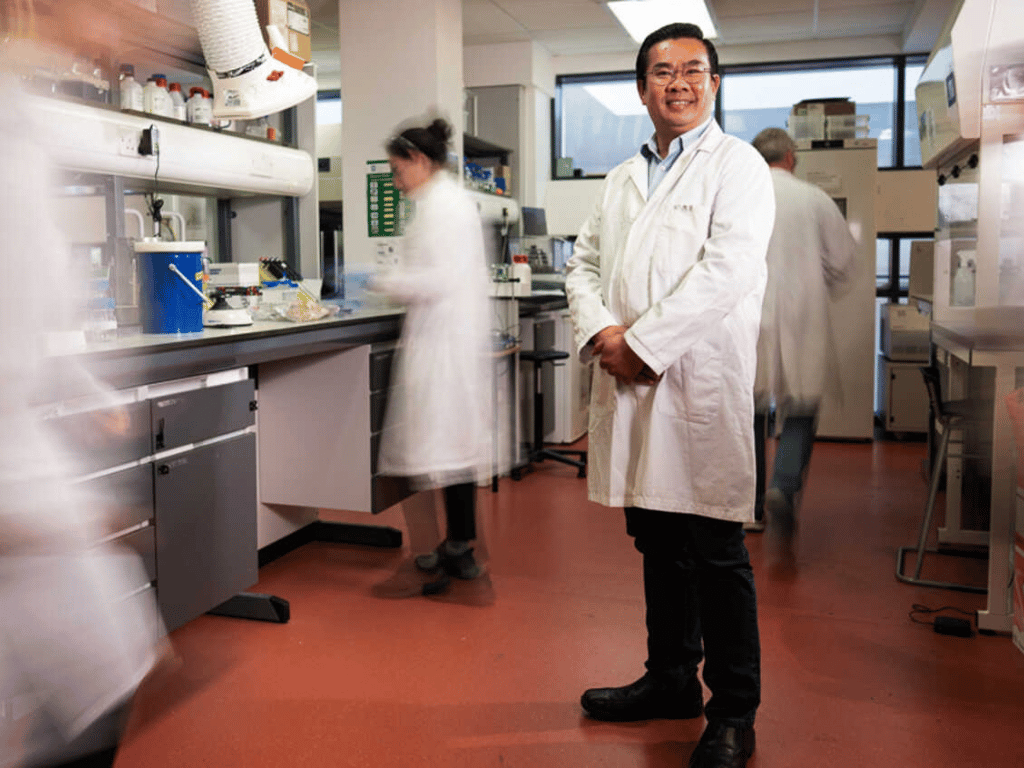
A research team at the UK’s University of Sheffield is pairing a Darwinian evolution approach with artificial intelligence to speed up the development of precision-fermented and next-gen plant proteins.
Fermentation, evolution, and artificial intelligence (AI) can supercharge the next generation of planet-friendly proteins, according to scientists at the University of Sheffield.
The researchers are taking inspiration from the ‘survival of the fittest’ idea emanating from Charles Darwin’s theory of evolution, applying it to modern technologies to develop low-carbon, highly resilient foods.
“Nature is a much better engineer than me,” admits Prof Tuck Seng Wong, chair of biomanufacturing at the university and deputy co-director of the UK’s National Alternative Protein Innovation Centre (NAPIC).
Expanding on his team’s efforts to employ a Darwinian evolution approach to future food production, he says: “The best, most simple, and most elegant solution already exists in nature for the most complex challenges we face in society.
“Our job is not to invent something completely new, but to harness these natural solutions and turn them into something scalable, economically viable, and relevant.”
From Darwinian evolution to a protein revolution
Wong believes the secret to solving complex industrial challenges is to learn from millions of years of natural biology – instead of building new artificial systems from the ground up, his research takes a leaf out of nature’s book, looking at how organisms have evolved to solve survival problems.
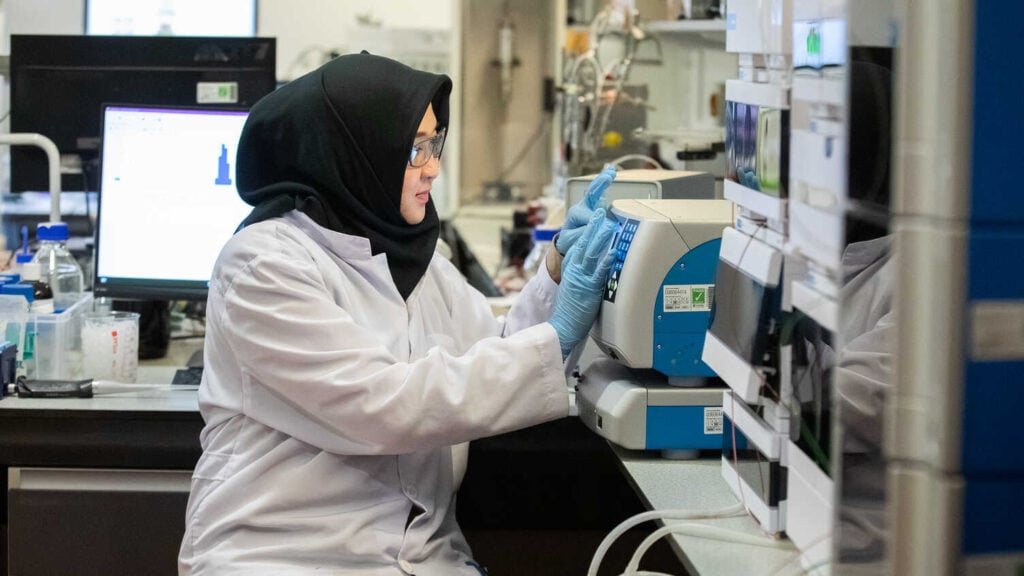
By applying selective pressure (like heat, alternative carbon sources, or the presence of inhibitors) in automated fermenters, Wong and his team let evolution reveal which microbial strains are best equipped to manufacture key food ingredients at scale.
The university is using this approach to develop high-performing strains capable of producing ingredients like dairy proteins and animal fats, without having to rely on livestock or carbon-intensive farming. These microbes are put through a precision fermentation process to develop alternative proteins. “Instead of asking a microorganism to just ferment freely, we give it very specific genetic instructions,” he explains.
Speed is a critical advantage of the researchers’ approach. By marrying Darwinian stress-testing with AI-driven automation, they can cut down the time it takes to screen millions of microbial candidates from years to just days.
Aside from microbial proteins, the researchers at the University of Sheffield are eyeing nature-based resources that are currently overlooked. Rice, maize and wheat alone account for nearly 60% of all plant-derived calories globally, despite the existence of thousands of edible species.
They view this imbalance as a big opportunity. “Overreliance on a tiny number of staple crops means we desperately need to diversify our food resources. We’re only scratching the surface of what nature has given us, and that isn’t healthy for the planet,” Wong says.
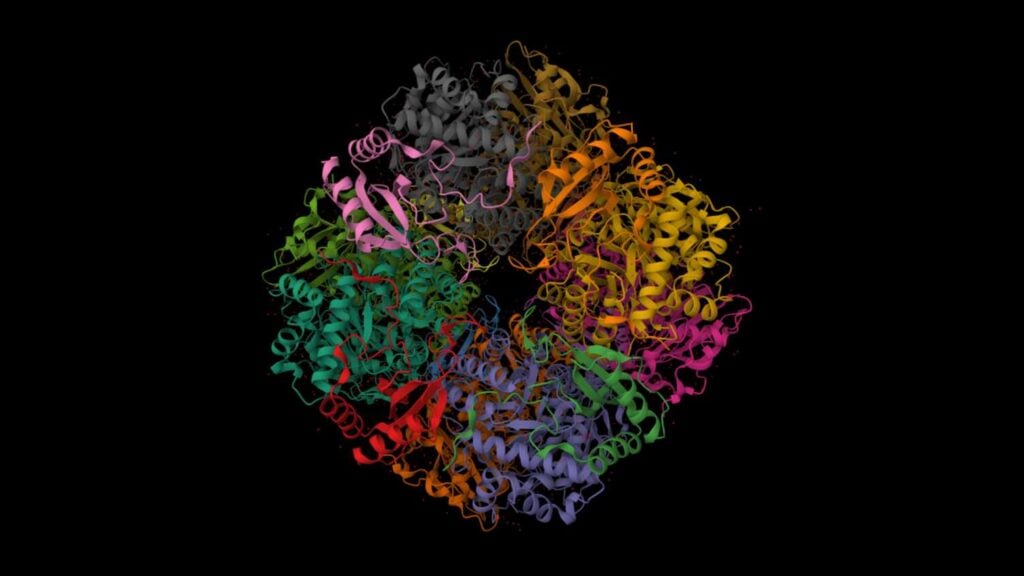
This is why his team is focused on Rubisco, the most abundant protein on Earth. It is a complete protein found in the leaves of green plants – we’ve all had it without realising it.
But extracting it in the volumes required for industrial production has remained a challenge for decades, until recently, with a new crop of food tech startups commercialising Rubisco from plants like alfalfa and duckweed. The University of Sheffield’s scientists have developed a way to reclaim Rubisco from crop leaves and farm waste.
Tackling the nutrition paradox with Unilever and Mars partnerships
Their research is also targeting the nutrition paradox – while hundreds of millions suffer from hunger and malnutrition globally, affluent nations like the UK are wrestling with rising obesity and other chronic conditions.
“There’s something deeply wrong about how we produce and consume food today,” says Wong. “We live in a world where significant populations don’t have enough access to good nutrition, while at the same time, others eat too much of the wrong food.”
“Accessing nutritious food is a fundamental human right. Everyone deserves equitable access to good nutrition regardless of where they’re from,” says Wong. “Solving this problem isn’t just a biological challenge, it’s engineering, economics, behaviour, policy, and culture working together.”
Addressing that challenge requires cross-disciplinary collaboration. He’s working within the University of Sheffield’s Institute for Sustainable Food to team up with behavioural psychologists, economists, and nutritionists to better understand consumer habits, design desirable food, and secure regulatory approvals.
Moreover, the research team has partnered with industry giants like Unilever and Mars (both NAPIC partners) and startups such as FibreFolks (with whom it’s developing high-protein, high-fibre fermented flour), who are together building a supply chain to turn alternative proteins into everyday supermarket ingredients.
The AI model is similar to the one being deployed at NAPIC, which was founded in 2024 via a £38M investment from the UK government and private investors. The future food hub recently identified nearly 800 plant-based proteins that can act as emulsifiers through an approach that blends AI with statistical physics.