

Landish Unveils Five-Plant Protein Powder Featuring Plantible Foods’s Rubisco

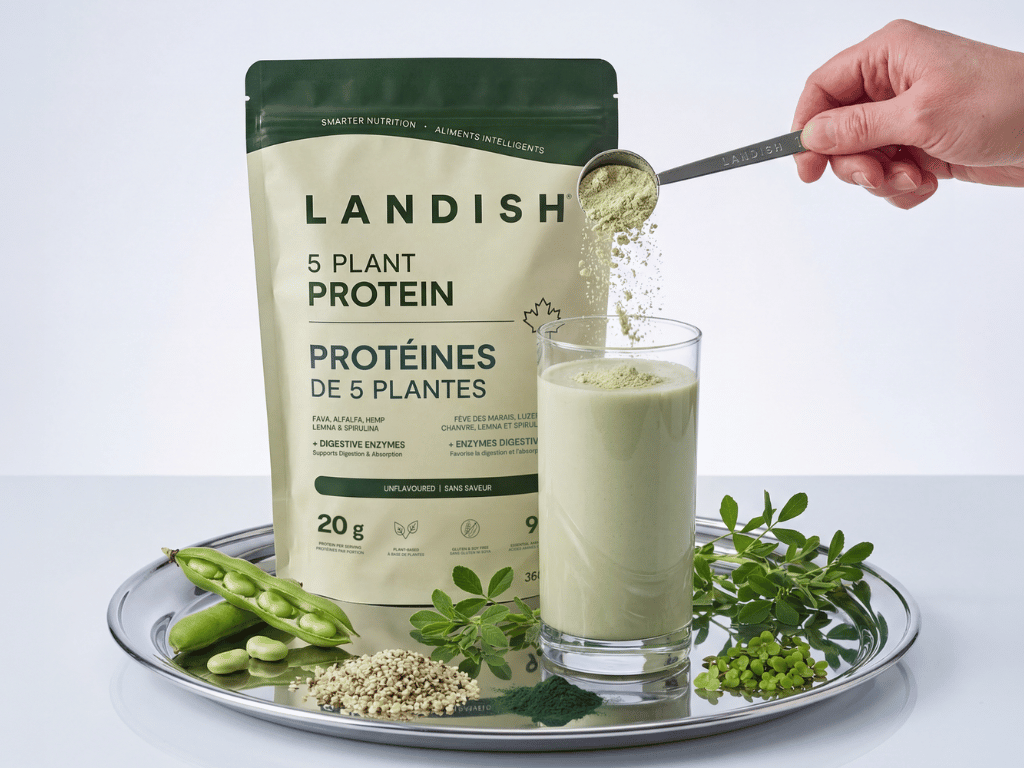
Canadian wellness brand Landish has launched a new protein powder combining Plantible Foods’s duckweed-derived Rubisco ingredient with four other plant-based proteins.
The world’s most plentiful protein is making its way into the mainstream.
Landish, a Canadian wellness brand that sells a range of supplements, has teamed up with US startup Plantible Foods to use the latter’s Rubisco protein in a new five-plant protein powder blend.
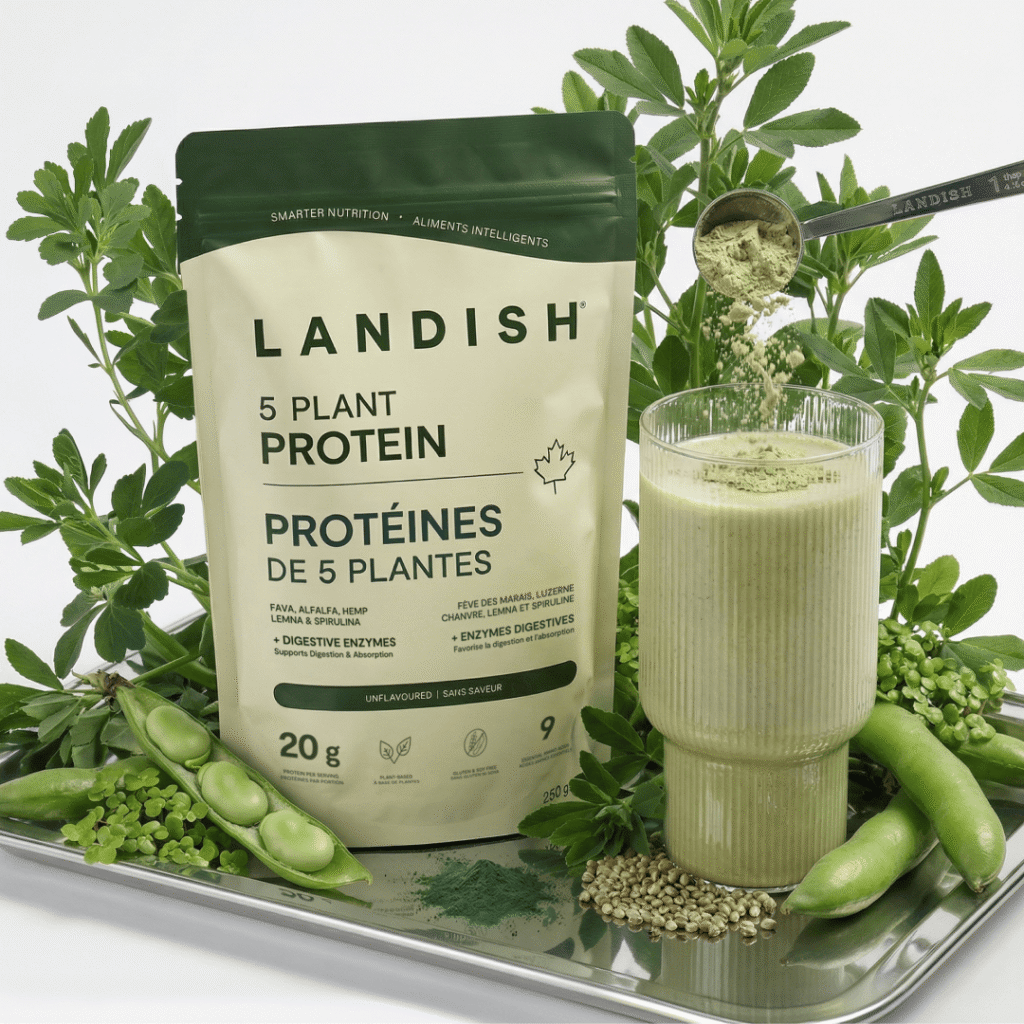
Plantible’s Rubi Protein, sourced from duckweed leaves, is combined with protein from fava beans, alfalfa, hemp seeds and spirulina in the product, offering 20g of complete protein per 24g scoop.
The launch comes weeks after Plantible secured $35M in loan and equity funding, led by X-Caliber Rural Capital, a licensed lender of the US Department of Agriculture, to expand its manufacturing capacity fivefold.
Landish blends Rubisco with wellness-focused ingredients

Duckweeds, also known as lemna or water lentils, are free-floating freshwater aquatic plants that form a green carpet on the surface of water. They’ve been consumed in Southeast Asia for centuries, but have witnessed a rise in popularity in the last decade, thanks to their environmental and nutritional benefits.
These plants don’t occupy any farmland or contribute to deforestation, and contain more micronutrients than many vegetables. They have a PDCAAS score of 1.0 (the highest possible), and, with a doubling rate of two to three days, are the fastest-growing plants in the world.
Rubisco itself is found in the leaves of every plant, and can be grown anywhere in the world – you’ve consumed a lot of it without even knowing it. Plantible’s duckweed-derived version is far superior when it comes to output, with the protein boasting 70% nutritional yield, much higher than soy (46%), pea (28%), and beef (27%).
Landish describes the duckweed protein as having a “clean, neutral taste” that provides a “naturally silky, frothy texture to shakes and smoothies” without any gums or thickeners. It also complements the nutritional benefits of the other source ingredients in the five-plant protein powder.
Fava beans, for example, are particularly rich in L-Dopa, a compound that supports dopamine production, while also providing bioactive peptides with antioxidant and anti-inflammatory benefits.
Alfalfa contains essential amino acids, minerals, and bioactive compounds that support cellular repair and cardiovascular health; hemp seeds are rich in omega fatty acids, fibre and antioxidants, supporting muscle maintenance, satiety and micronutrient intake; and spirulina, a blue-green alga, is packed with protein, B vitamins, phycocyanin, and prebiotic polysaccharides, boosting energy, gut and immune health, and oxidative stress reduction.
The protein powder blend has no sugar, sweeteners or added flavours. The five plants are combined with protease made from the fermentation of Aspergillus oryzae, which helps break down proteins into smaller peptides and amino acids to boost absorption, supports digestion, and reduces bloating.
Plantible eyes duckweed protein expansion amid US Rubisco wave
To produce its Rubisco protein, Plantible grows lemna on controlled aquafarms that allow freshwater to be constantly recycled and refreshed, resulting in a water footprint 10 times lower than soybeans.
Once the plants are harvested, they are milled, filtered and dried so that the pure protein can be extracted from the plant’s leaves. This protein contains all nine essential amino acids and offers emulsifying, gelling, and fat-binding properties, matching the functionality of egg whites.
Plantible also sells Rubi Whisk, which provides structural integrity, moisture and oil retention properties for egg- and gluten-free baked goods like lemon tarts, macarons, and cookies; and Lemna Leaf Greens, a mild-tasting green powder that delivers complete protein, high fibre, and micronutrients, well-suited for applications like ready-to-mix beverages, nutrition bars, and supplements.
In February, the startup secured a ‘no questions’ letter from the US Food and Drug Administration, enabling it to sell its duckweed-derived ingredients to food manufacturers at levels of up to 5%.
It produces Rubi Protein at its Ranchito plant in Eldorado, Texas, which was opened last year with a 100-tonne capacity. The company’s tech leverages a controlled crop cycle, which limits exposure to seasonal volatility and extreme weather events and enables steady harvests and incomes for rural communities.
The funds it secured in August, which took its total raised to $92M to date, are being used to build up to 50 new greenhouses at the 100-acre enclosed aquafarm facility and help expand capacity to over 1,000 tonnes of protein annually.
Aside from the five-plant powder, its Rubi Protein is also being used in Landish’s matcha latte mix, as well as ICL Food Specialties’s Rovitiras Binding Solution for meat and seafood alternatives. These collaborations reflect Rubisco’s growing influence on the protein world, which is changing fast with shortages and price hikes for whey and eggs.
In the US alone this year, Fudi Protein secured early-stage funding to commercialise its alfalfa-based Rubisco protein as an alternative to egg whites, dairy and other “subpar plant-based proteins”, and Bay Area chain Palmetto Superfoods introduced a Blade Smoothie featuring the alfalfa-based Rubisco protein from Leaft Foods,