

AAK to Produce Cocoa Butter Alternatives with Dry Fractionation Tech in Malaysia

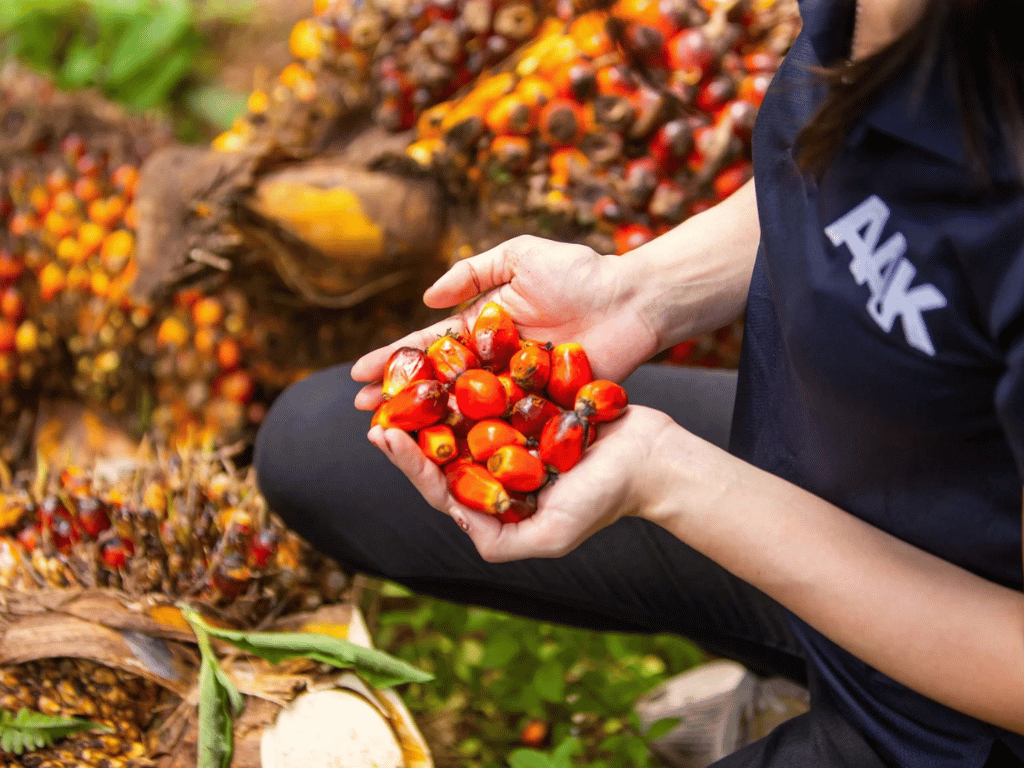
Swedish specialty fats company AAK is deploying its dry fractionation technology on a commercial scale in Malaysia to produce palm-mid fractions, a key ingredient in cocoa butter alternatives.
AAK, a Swedish producer of plant-based oils and specialty fats, is expanding its cocoa butter equivalent (CBE) capabilities with the commercial-scale application of its patented technology.
The company is set to deploy its dry fractionation process on this scale at Nura Specialty Oils and Fats, a joint venture between AAK and Malaysian manufacturer KLK currently under construction in Pasir Gudang, Malaysia.
The tech will be used to produce specialty palm mid-fractions (PMFs), a core ingredient for making high-quality cocoa butter alternatives for use in chocolate and confectionery applications.
Nura facility will boost profitability of AAK’s chocolate fats
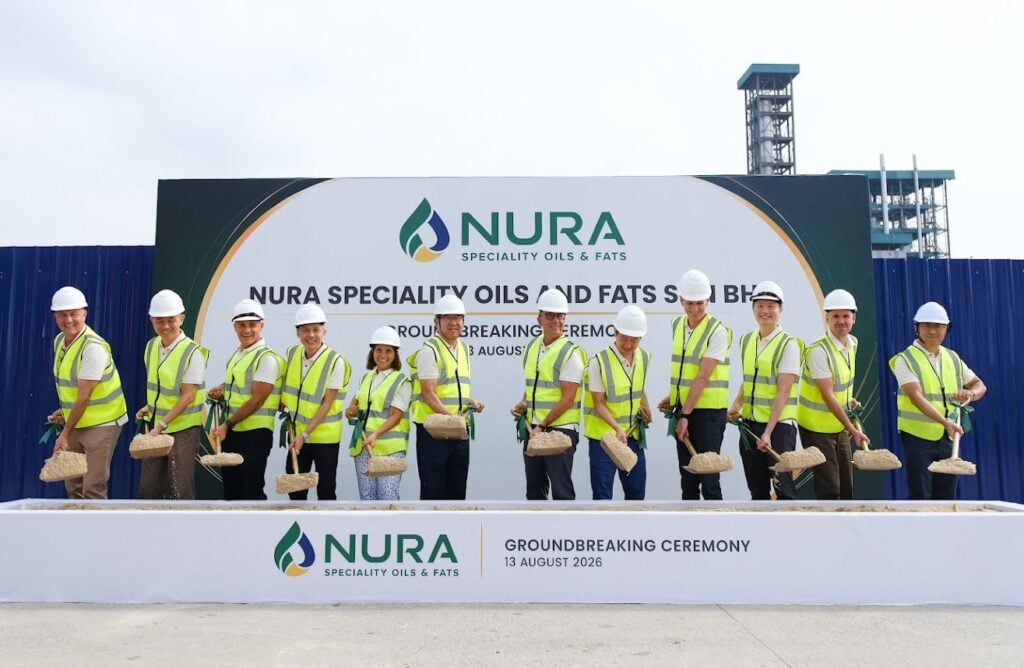
AAK entered the joint venture with KLK a year ago, investing 300 million kronor (around $30M) over a three-year period to establish the PMF production plant in Malaysia.
Nura is designed to bolster AAK’s upstream access to sustainable, high-purity feedstock for the production of cocoa butter alternatives. It will broaden the company’s supply base, boost resilience, and support the long-term profitable growth of its chocolate and confectionery fats business.
“For AAK, this technology will further strengthen our position as a market leader in the CBE space and allow us to leverage AAK’s fractionation capabilities for growth in other business areas as well,” said Alexander Perlaky, AAK’s strategy and projects director for Europe.
Construction of the facility began in August, with the plant expected to begin ramping up operations in 2028. Full-scale production is planned for 2029.
“Taking this technology from a research project to commercial production is an important milestone for AAK,” outlined Jeppe Lindegaard Hjorth, head of process development at AAK.
“It demonstrates how long-term innovation combined with close collaboration across functions can create new opportunities for more efficient and sustainable production. Nura is the first deployment, and we see strong potential for the technology going forward.”
Cocoa butter alternatives a response to climate crisis
AAK’s expanded focus on CBEs comes as the chocolate trade reckons with climate change. Dark chocolate production generates more emissions than all other foods bar beef, and the cocoa industry is directly responsible for 94% and 80% of deforestation in Ghana and the Ivory Coast, the two largest producers of the crop.
Meanwhile, global cocoa stocks fell to a decade low and prices hit an all-time high in 2024. And as extreme weather events wipe out harvests and push a third of the world’s cocoa trees towards extinction, ingredients like cocoa butter are under threat.
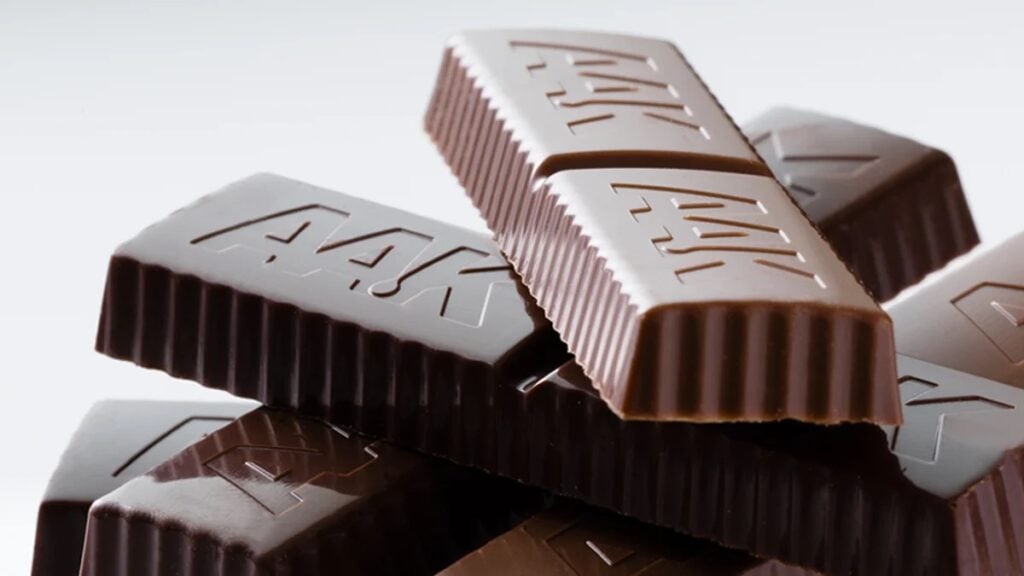
AAK, which has invested in CO2-derived fat startup Savor to develop dairy alternatives and bakery applications, already makes plant-based fats that can supplement or completely replace cocoa butter in chocolate recipes. Its alternatives have the same composition as chocolate, but offer a longer shelf life and improved melting, snap and texture.
It sells CBEs through the Illexao range, which can bring cost savings by either partly or fully substituting cocoa butter (with customised melting and crystallisation properties), increasing bloom stability and melting point, boosting flavour release in dark chocolate, and replacing milk fat in super compounds.
Companies like Sun Bear Biofuture, Terra Oleo and Planet A Foods are using precision fermentation to produce cocoa butter alternatives, while Smey makes cCB (Cultivated Cocoa Butter), a direct replacement created with AI and yeast fermentation.
Abydos Bioscience is leveraging oleaginous bacteria (instead of yeast or microalgae) to produce its version. And Israel’s Celleste Bio uses plant cell culture to produce cocoa butter, which has been used in milk chocolate bars by Mondelēz.