

Canada’s Phytokana Raises $18M to Build Commercial-Scale Fava Bean Protein Facility


Canadian firm Phytokana Ingredients has secured C$25M ($17.8M) in equity funding to construct a dry fractionation facility for the production of plant-based proteins.
Having already obtained hundreds of millions worth of offtake agreements for its fava protein products, Phytokana Ingredients has now received equity funding to advance the construction of its large-scale facility in Alberta.
The Canadian food tech player has closed a C$25M ($17.8M) unit offering led by a strategic investor and supported by existing shareholders, employees and directors of the company.
The terms of the financing are undisclosed, but it completes the equity capital required for Phytokana to proceed to the final investment decision for its dry fractionation facility in the town of Strathmore, which will be able to process 30,000 tonnes of fava beans into protein concentrates and high-protein flours annually.
“The successful completion of this financing represents a significant milestone for Phytokana and reflects the confidence our investors have in our strategy, our team, and the commercial opportunity before us,” said Phytokana founder and CEO Chris Theal.
Phytokana working with universities to enhance fava proteins
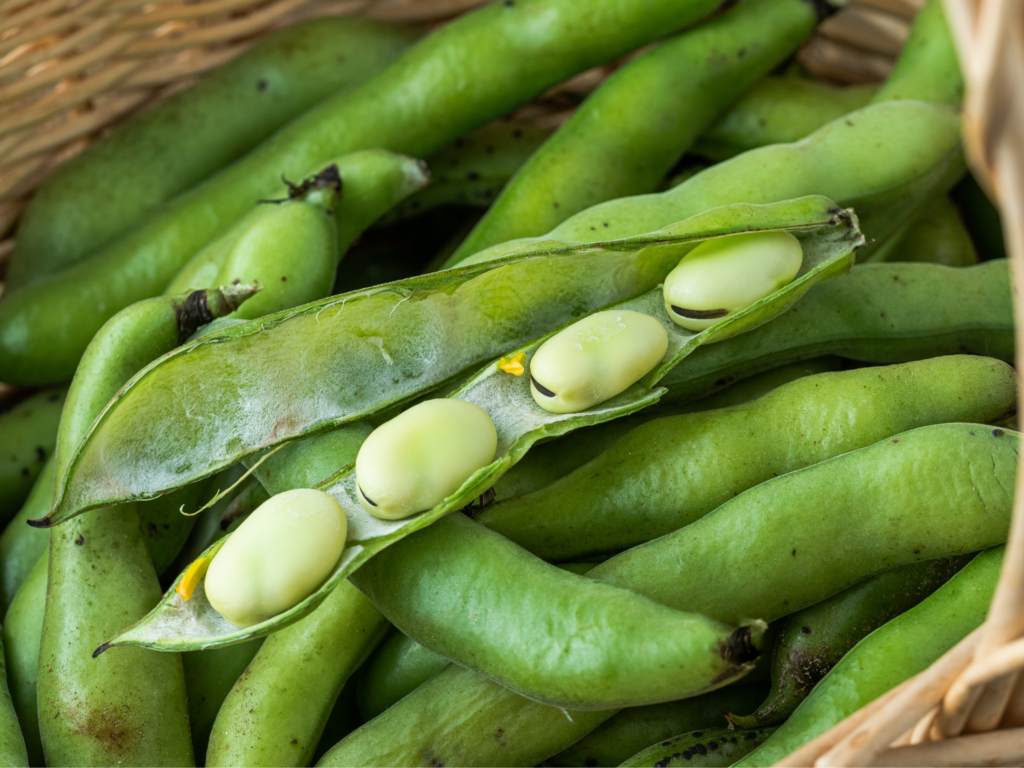
Founded in 2021, Phytokana uses heat- and chemical-free technology to process novel fava bean varieties into a protein concentrate, starch flour, and fava flour with enhanced taste, texture and nutrition.
These are said to retain their natural functionality for use in a range of better-for-you applications, including plant-based meat and dairy, fortified baked goods, and snacks.
The fava protein concentrate has 70% protein and 12% dietary fibre, a mild taste profile, and good emulsifying and gelling capacities, making it suitable for use in meat and dairy alternatives, breads and bakery products.
Phytokana’s fava bean flour contains 32-36% protein and 21% fibre, and is meant for the bakery industry, and its starch-rich flour, boasts 18-20% protein content and oil- and water-binding properties, so it’s ideal for gluten-free and extruded products.
Among the regions it sources its fava beans from are Alberta’s brown, dark brown, and black chernozemic soils, where environmental conditions are ideally suited for irrigated and dry-land pulse production. It selects varieties with superior agronomics, yield, and ingredient functionality.
The startup is working with several universities in Canada to analyse new fava varieties and develop processes that can ensure exceptional sensory, functional and nutritional properties.
For instance, it’s conducting a study with the University of Alberto to explore the protein composition, functionality, and taste profile of faba bean across different genotypes, and is exploring extrusion recipes with the University of Manitoba. Phytokana has also sponsored a student project to develop functional plant-based milk at the University of Guelph.
These projects align with consumer trends in Canada, where 54% of people are looking to increase the amount of plant-based food they eat, but 36% cite taste and texture as a key barrier.
Financing and offtake deals signal ‘strong foundation’ for facility construction

The upcoming facility will produce plant-based protein concentrates and flours for both local and international food and beverage manufacturers serving the growing demand for protein-rich better-for-you products.
In May, Phytokana announced that it has secured definitive long-term offtake agreements cumulatively representing revenues of C$450M ($320M today), with contracts running between three and 10 years. Combined with MoUs that have already been executed, the sales opportunities exceed C$500M ($355M).
These commercial deals and the equity funding establish a “strong foundation” for the next phase of the project’s execution. “The broad participation of existing shareholders, employees, directors, and new investors demonstrates a shared commitment to our vision as we move towards [the] final investment decision and the construction of Alberta’s first commercial-scale dry fractionation facility,” said Theal.
Phytokana chairman Vincent Chahley noted: “Proceeding to [the] final investment decision is the culmination of years of disciplined execution, technical development, and customer engagement.
“We are grateful for the continued confidence of our investors and look forward to advancing a project that will create significant value for Alberta farmers, strengthen Canada’s food ingredient manufacturing sector, and supply innovative, sustainable ingredients to customers around the world.”
Phytokana is also working with fellow Canadian startup Maia Farms on a product development project to create mycelium proteins by upcycling Phytokana’s fava bean byproducts as fermentation media components. The initiative is backed by C$32.5M ($24M) in funding from Protein Industries Canada, an innovation cluster of the government, and industry partners.
In fact, Canada is a leader in state-led financing for alternative proteins, having committed C$353M for Protein Industries Canada between 2018 and 2028. The country’s plant-based sector has been recognised as “central” to its food tech ecosystem, representing a quarter of all domestic food tech companies and garnering 12% of the industry’s total funding.