

Dutch Govt Urged to Develop National Plant-Based Strategy with €65M Annual Fund

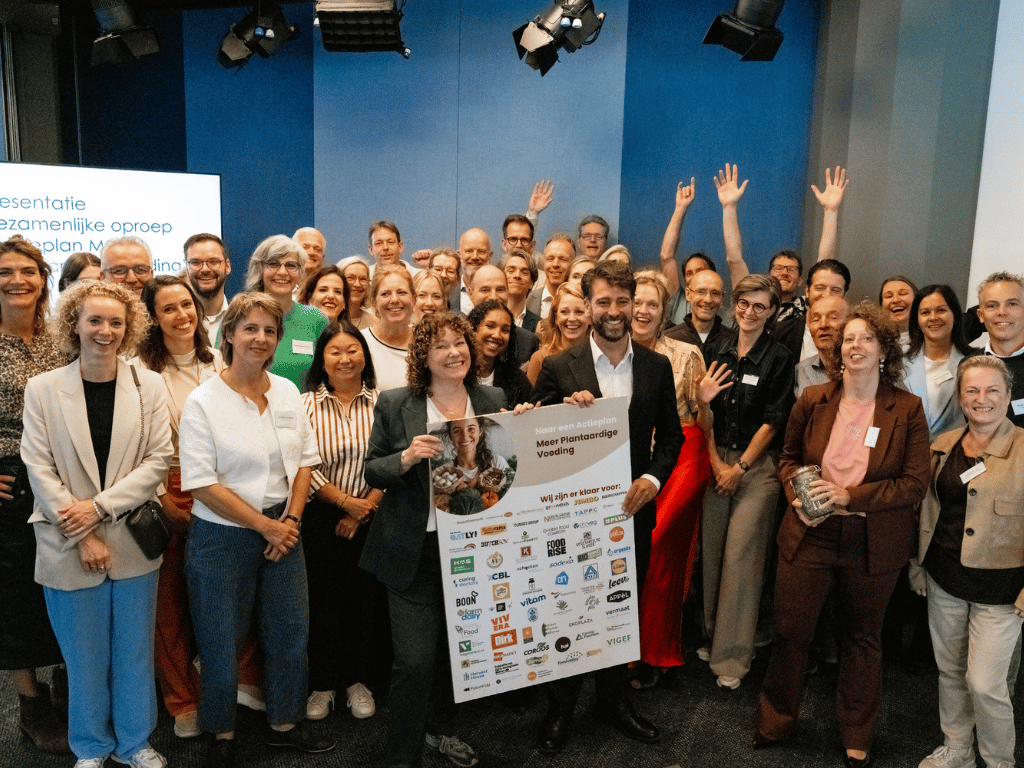
Dozens of organisations have called on the Dutch government to create a national action plan for plant-based food, alongside a €65M annual acceleration fund.
To realise its aim of raising the share of plant protein consumption to at least 50% by 2030, the Netherlands is being urged to ramp up supportive policies and financing for plant-based foods.
A coalition of 46 agrifood organisations is calling on the Dutch government to establish a national action plan and fund to help accelerate the production and intake of these products.
In a document handed to MPs Joris Lohman and Anne-Marijke Podt, food producers, retailers, trade bodies, non-profits, foodservice operators, and educational institutes have proposed a five-pillar strategy and a €65M annual fund to drive plant-based growth.
“With a public investment of €65M per year, we can further build on this strong starting position, capitalise on new economic opportunities, and set the entire chain in motion,” Jeroom Remmers, director of the Tapp Coalition, stated on behalf of the signatories.
“In doing so, we strengthen our international competitiveness while simultaneously contributing to a healthier population, lower healthcare costs, greater food security, and a more sustainable agricultural and food system.”
A strategy based on five core pillars

The organisations are hoping to work with the government to develop a concrete action plan, which they say offers the Netherlands a unique opportunity to simultaneously boost the economy, food security, public health and sustainability. Greater consumption of plant-based products can stimulate innovation, create jobs, and enhance the resilience of the food chain.
It would also contribute to a healthier population (and hence lower healthcare costs), a significant reduction in environmental and climate impact, and help realise existing national and European objectives around agriculture, climate and the protein transition.
The coalition highlights sub-goals to help achieve the main call to boost plant-based production and consumption. These include increasing the availability, affordability, and attractiveness of plant-based foods, encouraging consumption of produce, legumes, nuts, seeds, and whole grains in line with the national dietary guidelines, and creating conditions to shore up the production and earning capacity of plant crops.
The policy and funding calls are based on five core pillars: stimulating demand and improving the food environment; strengthening cultivation via farmer support and value chain cooperation; using public procurement as a lever; expanding research and innovation to solve bottlenecks and develop new products; and bolstering international positioning through exports and branding.
The signatories include companies like Oatly, The Vegetarian Butcher Collective, Schouten Europe, and Sodexo, non-profits and think tanks such as ProVeg, Foodvalley, and Questionmark Foundation, and trade bodies including the Dutch Vegetarian Association and the Central Bureau for Food Trade (which represents retailers like Albert Heijn, Lidl, Aldi, Jumbo, and more).
They say their broad composition underscores the strength of this call. Over the past few months, many discussions have been held regarding its contents. Now, government action will ideally align with the cabinet’s ambitions across health, prevention, food security, climate change, and future-friendly agriculture.
Both the agriculture ministry and a broad majority in the Dutch House of Representatives are currently working on policy to further stimulate the consumption of plant-based foods and the broader protein transition.
Plant-based fund will bridge supply and demand
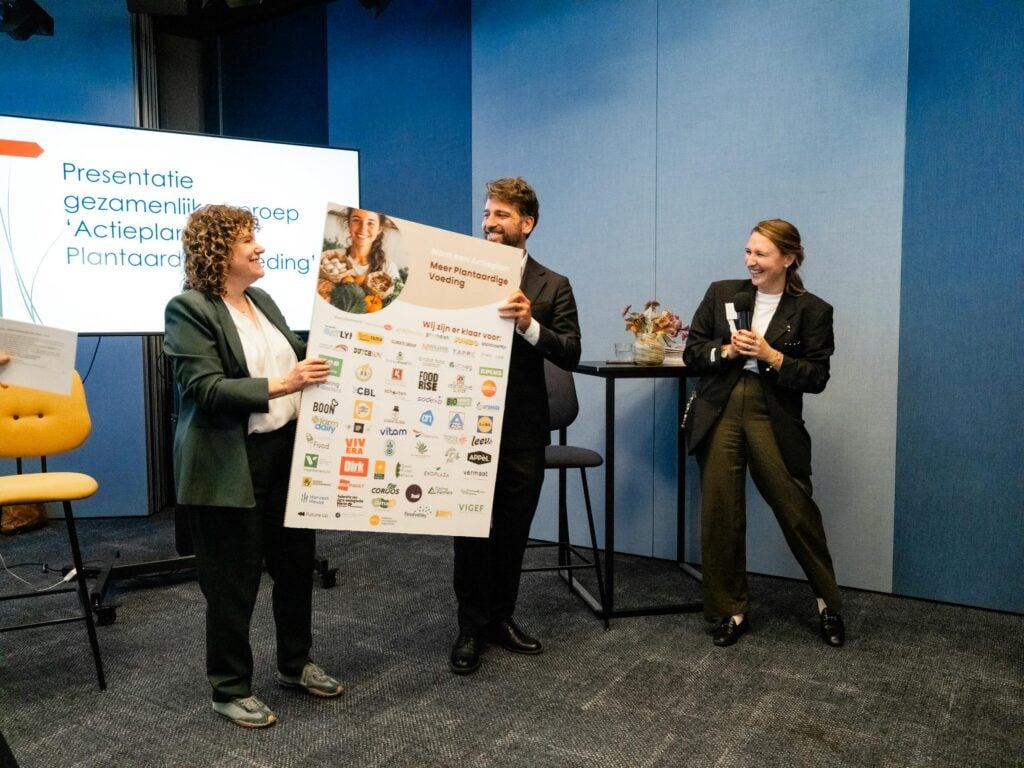
The €65M fund would see money invested in the entire plant-based food value chain, from cultivation and processing to product development, public procurement, consumer behaviour, and exports.
This financing would support partnerships that address bottlenecks in the protein transition, and will ideally be entrusted to an experienced implementation body, like the Netherlands Enterprise Agency (RVO), with applications assessed by an independent advisory committee made up of experts from academia, agriculture, the food industry, health, and sustainability.
A third of the funding is allocated for organic plant-based farming. The Dutch government has set a goal to use 15% of farmland for organics by 2030, and the coalition notes that a “shift towards more plant-based consumption cannot be viewed in isolation from the way these products are produced”.
The investment plan will bridge supply and demand to enable farmers, businesses, local governments and civil society organisations to build a stronger plant-based food system. They will work with clear, measurable objectives to translate protein transition from a policy ambition to implementation.
For each of the five pillars, the government is being asked to make extra investments, including in a national activation campaign, measures to make plant-based food cheaper, and long-term financing for projects like the Innovation Impact Challenge.
The call takes inspiration from Denmark’s trailblazing national plant-based action plan, which set aside one billion kronor (€168M at the time) to bolster this sector. The Dutch proposal also aligns with the EU’s recently announced Protein Plan, though the latter failed to set concrete targets to increase production for human use despite acknowledging the importance of plant-based proteins but .
“The [Danish] grant supports education for kitchen professionals and agricultural students, increases the use of legumes and organic food in public kitchens and private catering, and funds field trials and the development of new plant-based products,” said Rasmus Prehn, CEO of Organic Denmark and the former Danish agriculture minister.
“A key part of our success has been the close cooperation with a broad range of stakeholders, including civil society,” he added. “We are very pleased to share these experiences with plant-based and organic with our Dutch colleagues and contribute to the important discussion on how to accelerate the transition to a more sustainable food system.”