

Jensen Meat Co Consolidates Plant-Based Businesses Under One Brand to Fuel Growth

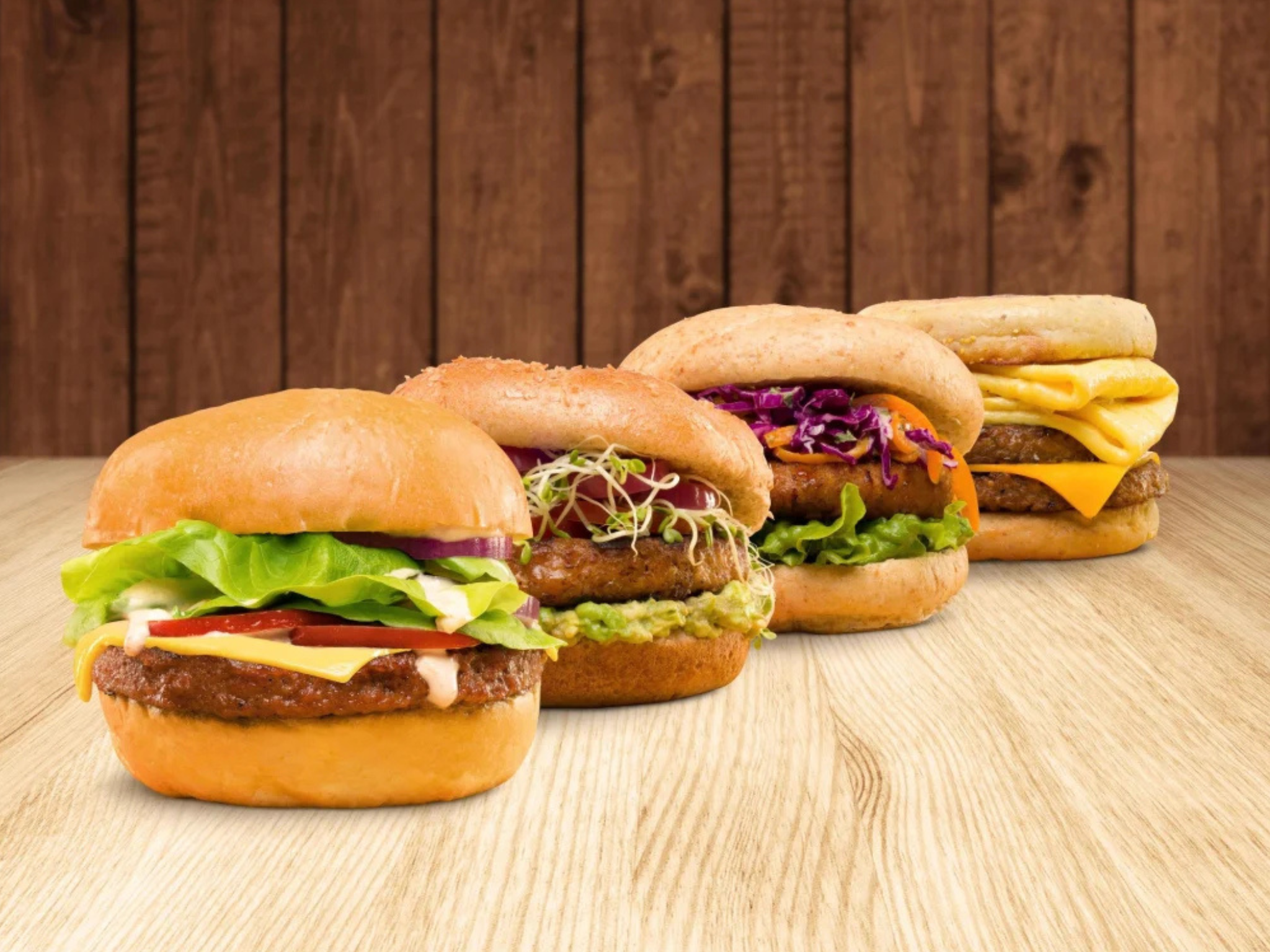
The Jensen Meat Company has integrated vegan meat maker Before the Butcher into its plant-based division, bringing it together with Cool Beans to accelerate its growth in the sector.
In a year where consolidation has become second nature in the alternative protein industry, beef processor Jensen Meat Co is jumping on the trend too.
The Californian company has bundled meat alternative maker Before the Butcher with ready-to-eat brand Cool Beans under the Jensen Plant-Based Brands division.
Jensen Meat Co first acquired Before the Butcher in 2019, but the latter had kept operating as an independent company after the takeover. This latest move integrates the brand into its business and brings its plant-based co-manufacturing operations under one roof.
“Bringing these brands together allows us to serve an even broader range of customers while maintaining the flavour, authenticity, and quality that define Jensen Meat,” said Patricia Lavigne, executive VP of the meat processor.
Jensen Meat Co unites plant-based meat and whole-food portfolio
Before the Butcher was founded in 2017 by Danny O’Malley, a former sales manager at Beyond Meat, with the aim of making plant proteins more diverse and accessible.
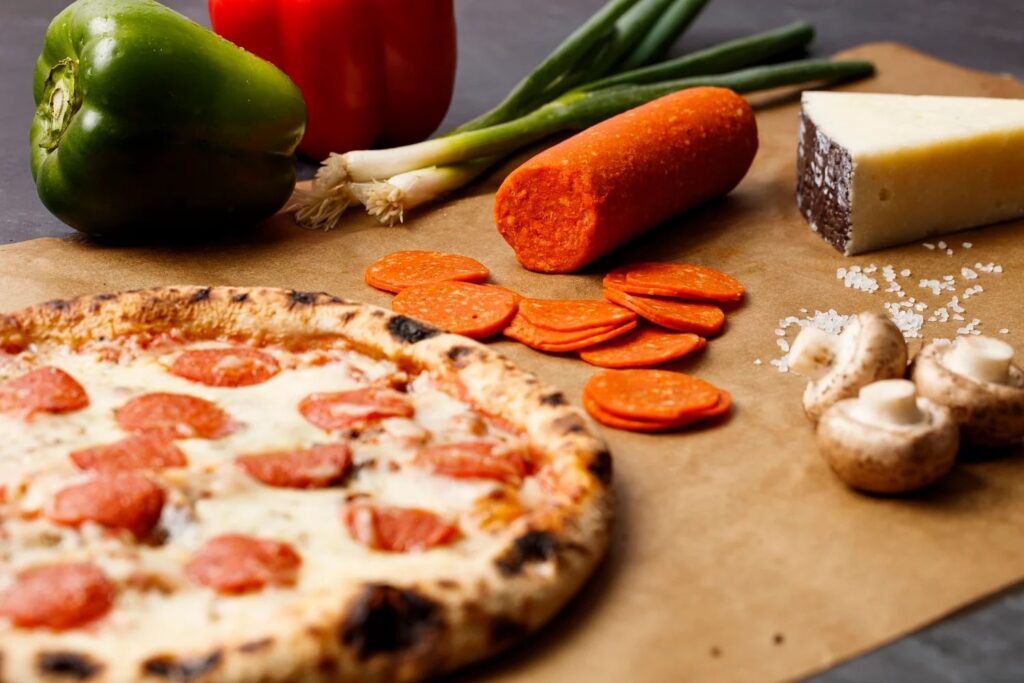
It produces vegan chicken, beef and pork formats from a soy protein base, supplying both to restaurants and supermarkets under its own brands. Its foodservice portfolio has over a dozen offerings, including breakfast sausages, crumbles, pepperoni, burgers, beef tips, and pulled pork.
In retail, the firm sells breakfast sausages and burgers under the Uncut label, and burger patties as part of its Mainstream brand.
Moreover, Before the Butcher retails ground beef products under its namesake brand name, and recently debuted a range of meat snacks called The Original Butcher Sticks, which come in pepperoni and beef variants.
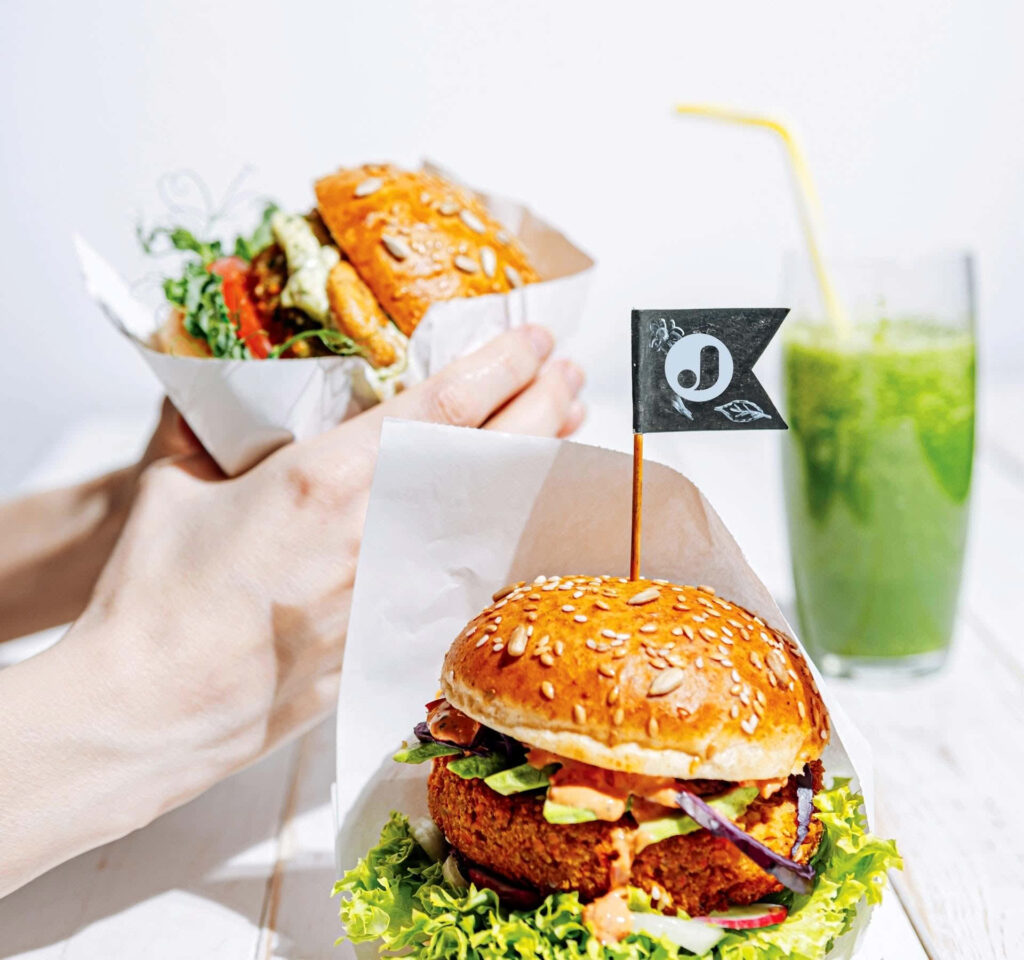
And as has been the case with many plant-based meat makers, the brand has diversified its offerings by debuting VegBurg, a line of whole-food veggie burgers designed for foodservice and at-home cooking enthusiasts, combining lentils, zucchini, carrots, quinoa, mushrooms, and more.
That strategy aligns with the offerings of Cool Beans, which makes on-the-go wraps with plant-based whole foods in a variety of “globally inspired flavours”.
The move to integrate the two brands with its co-manufacturing operations under one division will help Jensen Meat Co reach a wider set of consumers and “deliver exceptional flavour, innovation, and growth across the alternative protein space”, according to the company.
Multi-brand model popular amid consolidation drive
As part of its food safety and quality assurance programme, Jensen Meat Co operates two separate production facilities to avoid the risk of cross-contaminating plant proteins with animal products.
The 67-year-old company’s plant-based production site is located in Otay Mesa, San Diego, and churns out 25 million lbs of product each year. Its co-manufacturing capacity also helps vegan brands scale up more efficiently.
Now, the consolidatory action expands its meat-free portfolio to offer consumers a variety of options that fit a greater variety of lifestyles and preferences. Jensen Meat Co stated that this unified structure will help lead the next phase of plant-based growth through “innovation, scale, and a commitment to great taste”.
This model of converging operations under a family of brands is becoming increasingly commonplace in the plant-based sector. After beef giant JBS acquired The Vegetarian Butcher from Unilever earlier this year, it integrated the brand with its existing meat alternative label Vivera, establishing a unified operation called The Vegetarian Butcher Collective.
Likewise, vegan cheesemaker Bettani Farms rebranded from Climax Foods after raising $6.5M in October, before expanding its business strategy by acquiring fellow dairy-free cheese players Stockeld Dreamery and Numu, as well as plant-based meat producer Hungry Planet, and bringing them together under the Bettani Brands umbrella.
Livekindly Collective, which owns meat-free brands such as Oumph, Like and Fry’s, has leveraged this model to accelerate its growth, and recently achieved profitability for the first time.
In fact, consolidation has been rampant in this industry, with more than 50 alternative protein companies being acquired or falling into insolvency since September 2024. Part of the reason is a slowdown in investment and sales, with overall purchases of plant-based products falling by 4% in the US last year.
As an established food producer with an industrial-scale manufacturing setup, Jensen Meat Co is looking to buck that trend with its expanded plant-based division. “We’ve built a foundation that supports both traditional and plant-based innovation, helping us meet consumer demand across every part of the protein landscape,” said Lavigne.