

Hawaiian Startup Bags Multi-Million-Dollar Funding to Scale Fermentation-Derived Astaxanthin

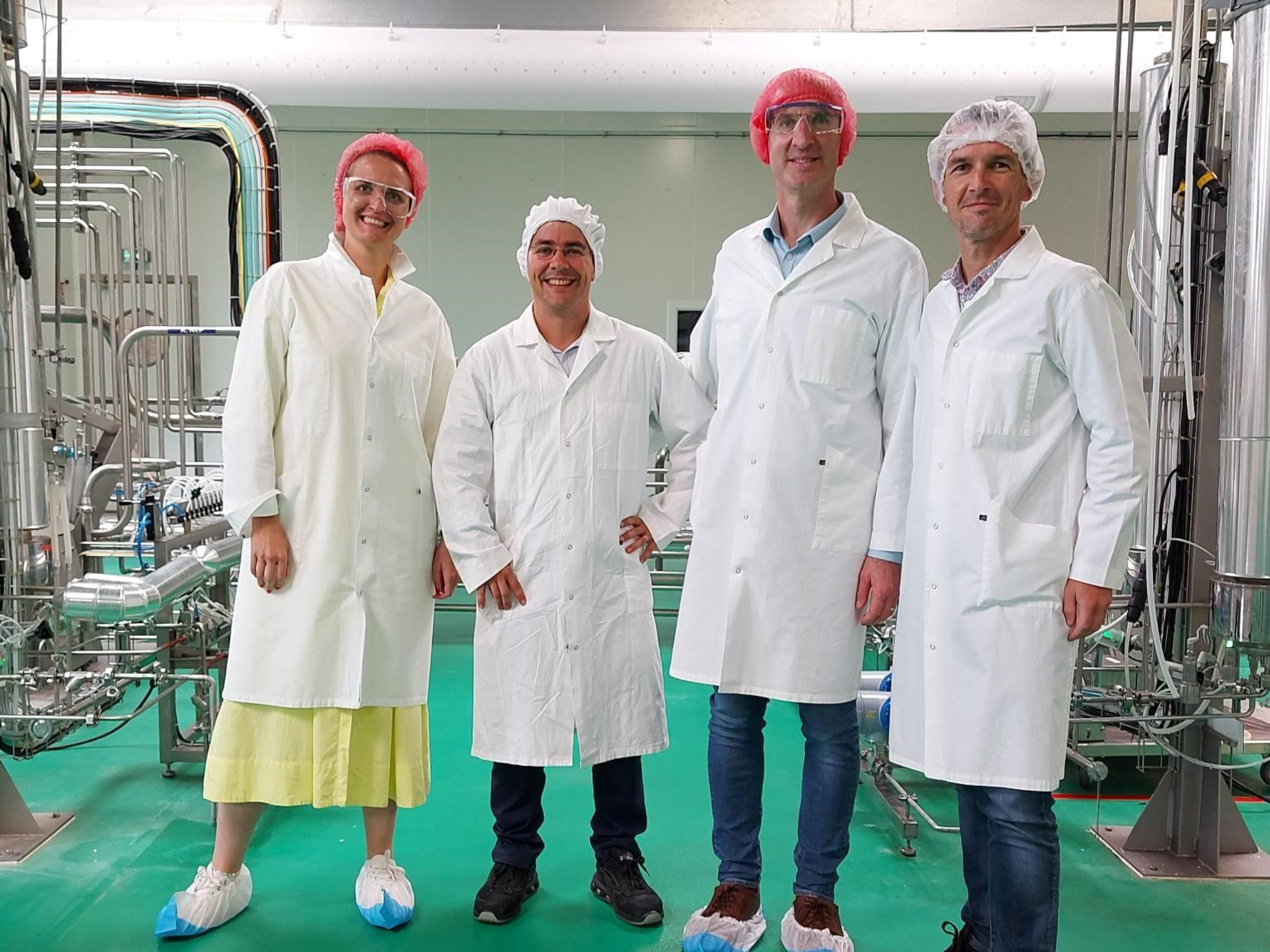
US biotech startup Kuehnle AgroSystems has closed a Series B funding round to expand the sustainable production of its algal astaxanthin via dark fermentation for applications including human nutrition.
Hawaiian algal biotech company Kuehnle AgroSystems has secured a multi-million-dollar investment to scale up production of its fermentation-derived astaxanthin, a highly potent antioxidant conventionally found in aquatic organisms such as salmon and algae.
The Series B round was led by IVC, with additional participation from existing backers S2G Investments and Hatch Blue, as well as new investor Dest EOOD. It follows the firm’s $3M Series A2 financing in 2024.
Kuehnle AgroSystems will use the capital to expand its R&D capabilities, scale up production of astaxanthin via dark fermentation to serve high-growth markets such as aquaculture (through salmon feed) and human nutrition (via neutraceuticals), and pursue global regulatory approvals.
To do so, it has been working with Dutch sustainable ingredient supplier Cobion, whose expertise in algal ingredients and industrial fermentation is helping facilitate Kuehnle AgroSystems’s transition from tech development to commercial production and sales.
“This investment enables us to accelerate manufacturing scale-up, expand our commercial partnerships and bring a truly sustainable, reliable and cost-competitive source of natural astaxanthin to the global aquaculture and human nutrition industries,” said Kuehnle AgroSystems CEO Claude Kaplan. “We believe this technology will fundamentally reshape the natural astaxanthin market.”
Why Kuehnle AgroSystems is betting on dark fermentation
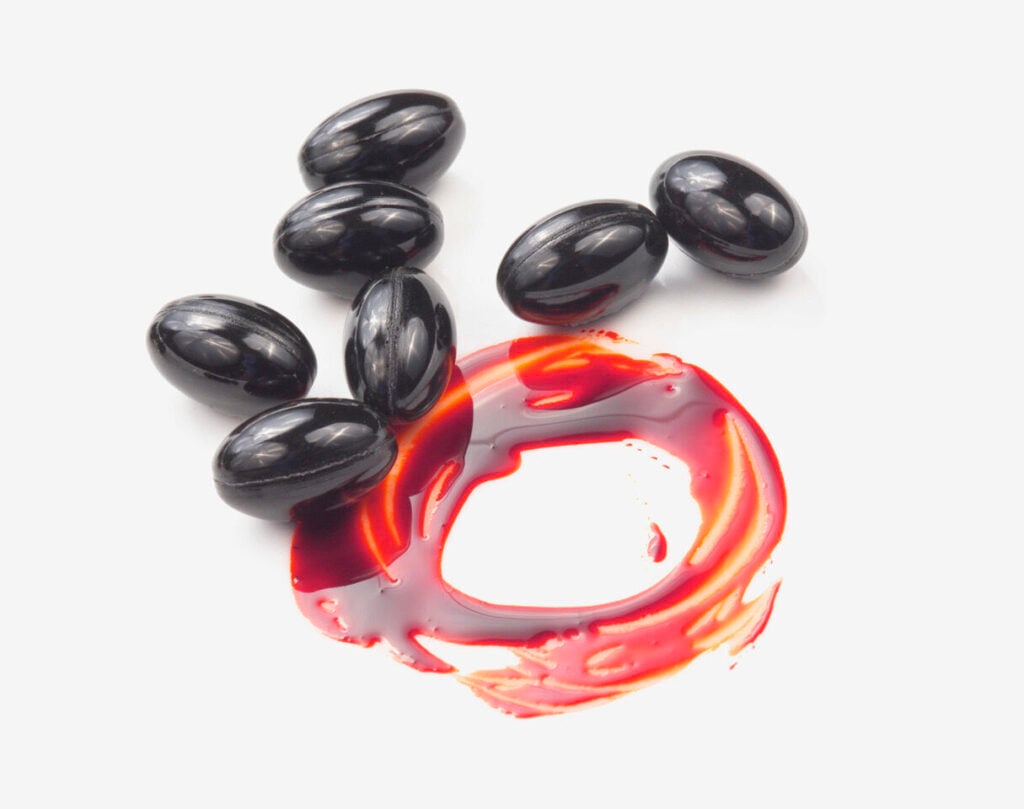
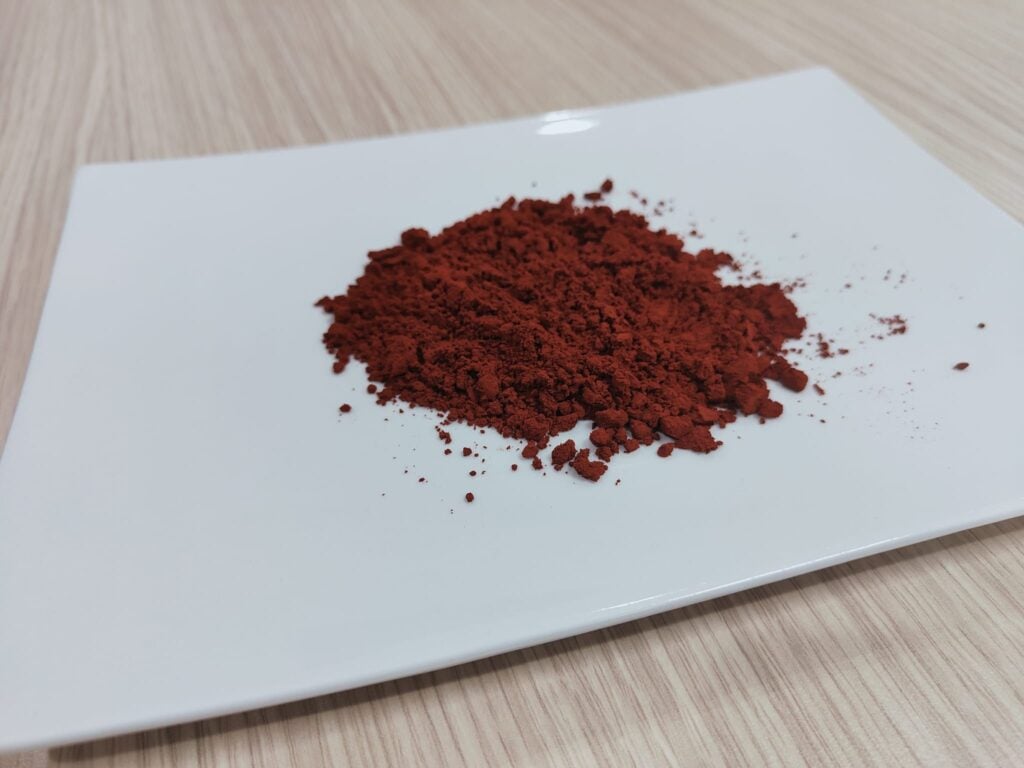
Astaxanthin is a red pigment belonging to a class of carotenoids found in microalgae, yeast, and marine animals like salmon and shrimp. It’s a powerful, fat-soluble antioxidant with various benefits for human and animal health.
For instance, it’s added to fish feed to support optimal health, fertility, tolerance, immune function, and overall production performance. For humans, it’s used as a supplement that can reduce inflammation, neutralize free radicals, enhance brain and heart health, boost immunity, and repair skin damage.
Natural astaxanthin is found in its highest concentrations in an algal species called Haematococcus pluvialis. Kuehnle AgroSystems enhances its production through dark fermentation and patented algal strains, enabling fast, high-yielding, and extremely cost-effective astaxanthin.
The company uses conventional fermentation vessels to ensure maximum purity and control with minimal land and water use. Its process yields much higher output volumes at significantly lower costs than light-dependent algae production methods, improving supply security and responding to the rapidly growing demand for this ingredient.
Its natural astaxanthin is produced with one-tenth the energy, water and land use of standard technologies. The process delivers a dependable supply at a fraction of the photobioreactor and open-pond production costs, yielding pure, high-quality algal biomass and an extracted astaxanthin product.
The funding round follows a technical milestone for Kuehnle AgroSystems earlier this year, when it successfully demonstrated, in partnership with Biorea, the production of natural astaxanthin in oleoresin via dark fermentation at an industrially relevant scale. This breakthrough, the company said, established the technical foundation for a step-change in the production cost of this ingredient.
Corbion partnership enables scale-up and commercialisation of natural astaxanthin
The global astaxanthin market is valued at $2B and set to grow by 15% annually over the coming decade, with premium nutraceuticals a major growth driver.
The antioxidant activity of algal astaxanthin is 6,000 times stronger than vitamin C, 800 times stronger than CoQ10, and 560 times stronger than the catechins found in green tea. Kuehnle AgroSystems is looking to leverage that through its upcoming Ola’asta and Fantasta brands, through which it’s targeting the nutraceutical, food and drink, and pet food markets.
Natural algal astaxanthin has also been shown to boost hydration, reduce fine lines and wrinkles, and act as a natural sunscreen, making it a high-potential ingredient for skincare formulations. The company’s Astafusion ingredient (approved for sale by the Personal Care Products Council) restores collagen and elastin fibre formation to keep photoaging at bay.
Separately, Kuehnle AgroSystems is producing algae protein for human consumption through the fermentation of Chlamydomonas reinhardtii. The patented ingredient is highly digestible and a complete protein source, and the firm is on the hunt for licensing partners to bring it to market.
“Together with our manufacturing partner, Biorea, and our strategic development partner, Corbion, we have demonstrated that fermentation can become a commercially viable route to producing one of aquaculture’s and nutraceuticals’ most important ingredients,” said Kaplan.
With Corbion, Kuehnle AgroSystems is advancing process optimisation, manufacturing scale-up, and commercial production of its fermentation-derived ingredient.
“By combining Kuehnle AgroSystems’s innovative biology with Corbion’s expertise in strain development, industrial fermentation, product development and global market access, we believe this collaboration has the potential to significantly advance the sustainable production of natural astaxanthin,” said Corbion CTO Yves Boland.