

Oobli, Cosun Ingredients Create Sugar Replacer for Chocolate Amid Sweet Protein Expansion


US sweet protein startup Oobli has co-developed a sugar replacement system for chocolate with Cosun Ingredients, while also expanding access to its monellin ingredient and consumer-facing platform.
As Americans look to cut back on sugar, US startup Oobli is pushing the accelerator on its sweet protein portfolio to offer sugar replacement solutions for a wide variety of applications.
The company uses precision fermentation to produce sweet proteins inspired by fruits grown in Africa, including Oubli, katemfe serendipity berries, and miracle fruit. They taste like sugar but are thousands of times sweeter and digested as proteins, with lower calories and no impact on blood glucose or gut health.
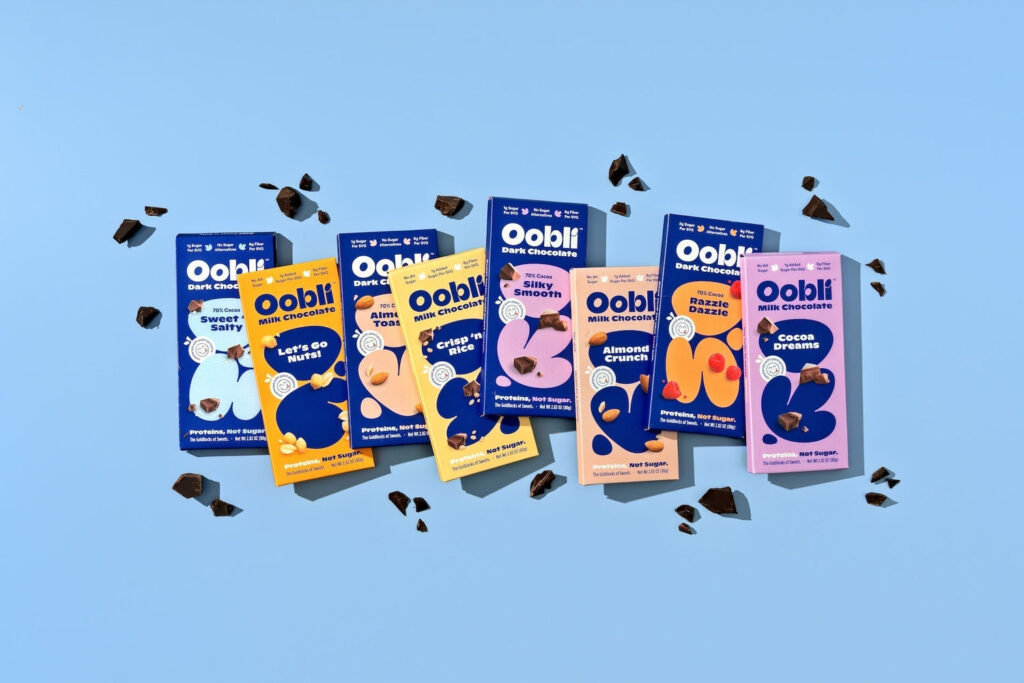
The startup, which has raised nearly $50M, already sells chocolates made from its sweet proteins. But it’s also working with food and beverage manufacturers (including Ingredion and Grupo Bimbo) to incorporate its sugar reduction solutions into different products.
It has now co-created a sugar replacement system for chocolate products with Dutch giant Cosun Ingredients, pairing its sweet proteins with chicory fibre. Additionally, Oobli has broadened access to its monellin ingredient (based on serendipity berries), and opened up its consumer-facing Oobli Inside programme to brands looking to reformulate with sweet proteins.
The development comes a month after the firm partnered with the National Football League (NFL) Alumni Association to drive wider adoption of sweet proteins as a healthier alternative to sugars.
A protein- and fibre-rich sugar alternative for chocolate producers
Oobli inserts the DNA sequence of sweet proteins into Komagataella phaffii (a yeast strain with a long history of use in food). The microbes are added to a fermentation tank where they are fed sugars and a nutrient-rich broth to produce the proteins, which are filtered out and purified.
Its brazzein ingredients (inspired by Oubli fruit) are up to 1,000 times sweeter than sucrose, and its monellin is even more saccharine. These alternative sweeteners can be used in a wide variety of food and drink products, from granola, gummy bears, and smoothies to non-dairy alternatives, sodas, and chocolate.
The company’s partnership with Cosun Ingredients is focused on the latter, which it says is one of the “hardest categories” to remove sugar from. This is because sugar provides much more than sweetness in chocolate – it’s responsible for the bulk, mouthfeel and crystal structure of these products.
Most sugar-free chocolate relies on sugar alcohols, rare sugar, and high-intensity sweeteners, which can come at the cost of taste or gut comfort, according to Oobli. It has combined its neutral-tasting sweet proteins with Cosun Ingredients’s Frutalose chicory root fibre, which is developed specifically for chocolate applications, to provide the texture, flow and crystallisation traditionally supplied by sugar.
This can help companies formulate zero-sugar chocolate rich in fibre and sweetened with proteins, while retaining the taste and snap of conventional options. It can also support better-for-you choices in indulgent categories beyond chocolate, including ice cream, baked goods, and more.
“By combining Oobli’s sweet proteins with our groundbreaking Frutalose chicory root fibre, we are redefining what’s possible in zero-sugar chocolates. We are excited to work with our customers and partners to bring this to market and look forward to co-creating similar solutions for ice cream, baked goods and other indulgent categories,” said Ken Horn, president of Cosun Ingredients’s North American division.
Oobli CEO Ali Wing added: “Our work with Cosun shows that sweet proteins, paired with the right ingredients, can solve even the hardest sugar-reduction challenges. Sweet proteins are an idea whose time is now.”
Oobli expands sweet protein access and support as Americans cut sugar
While Oobli’s monellin sweet protein has so far only been available to select global CPG and ingredient partners, it has now widened access to brands of all sizes. The ingredient is cleared for sale as a sweetener and natural flavour in the US, and works well on its own, blended with Oobli’s brazzein protein, as well as in combination with sugar and other sweeteners.
When used in blended applications, sweet proteins can deliver an enhanced sensory profile and up to 30% sweetness intensity compared to individual use, offering formulators a lower cost-in-use and best-in-class taste.
“Oobli is unique in the breadth of our portfolio and the depth of our application expertise,” said Wing. “We are excited to continue introducing new tools to brands looking to reduce sugar, eliminate artificial sweeteners, or complement their existing sweeteners – all without compromising taste.”
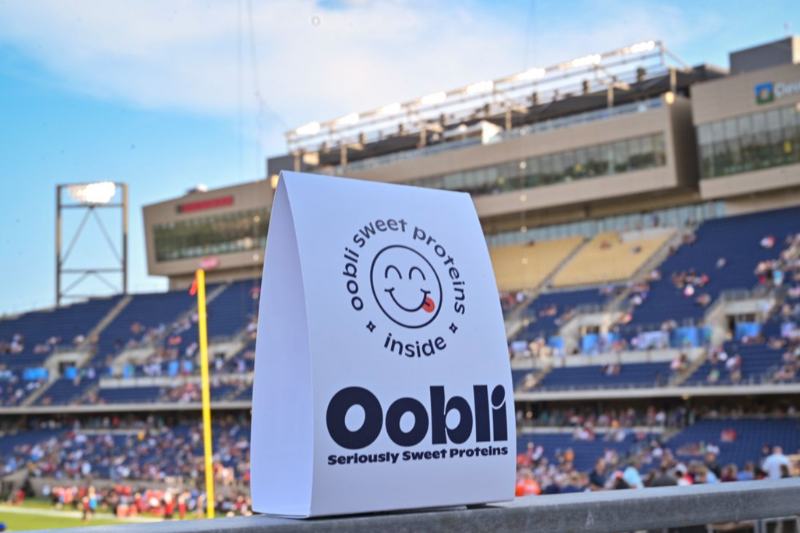
Meanwhile, Oobli is expanding its Oobli Inside programme – made to identify food and beverage products using sweet proteins to help consumers make healthier choices – directly to companies that want to reformulate products with these ingredients. This comes after it received growing interest from brands and formulators interested in incorporating sweet proteins into their offerings.
Manufacturers with high-sugar or artificially sweetened products, and those who want to offer protein-sweetened options, can apply to receive hands-on collaboration and support from Oobli’s product development team, including help with calibrating sweet proteins as the foundation of products and guidance on optimising the overall experience.
When these brands feature the Oobli Inside badge on-pack, it will help consumers identify products as protein-sweetened. They will also receive advantaged partner pricing and be eligible to participate in Oobli’s online marketplace, press, and marketing initiatives, including its NFL Alumni partnership.
Americans eat 17 teaspoons of sugar every day, much higher than the recommended amount. The calorie-rich ingredient has been a major contributor to the country’s obesity epidemic, which plagues 42% of its citizens. Plus, over 11% of consumers have type 2 diabetes. It’s why their top response when asked what they wanted to consume less of this year was sugar, cited by 45%.
And non-sugar sweeteners are viewed very positively among Gen Z and millennials, more than half of whom believe they’re either as healthy or healthier than sugar. These cohorts rate nearly every sweetener as healthier.
“We’ve always believed people shouldn’t have to choose between health and the sweet taste they love,” said Wing. “We’re excited to expand access to serendipity berry sweet protein and our category-defining Oobli Inside programme directly to brands of all sizes”.