

Maple Leaf Foods to Consolidate US Plant Protein Production From Three Hubs to One

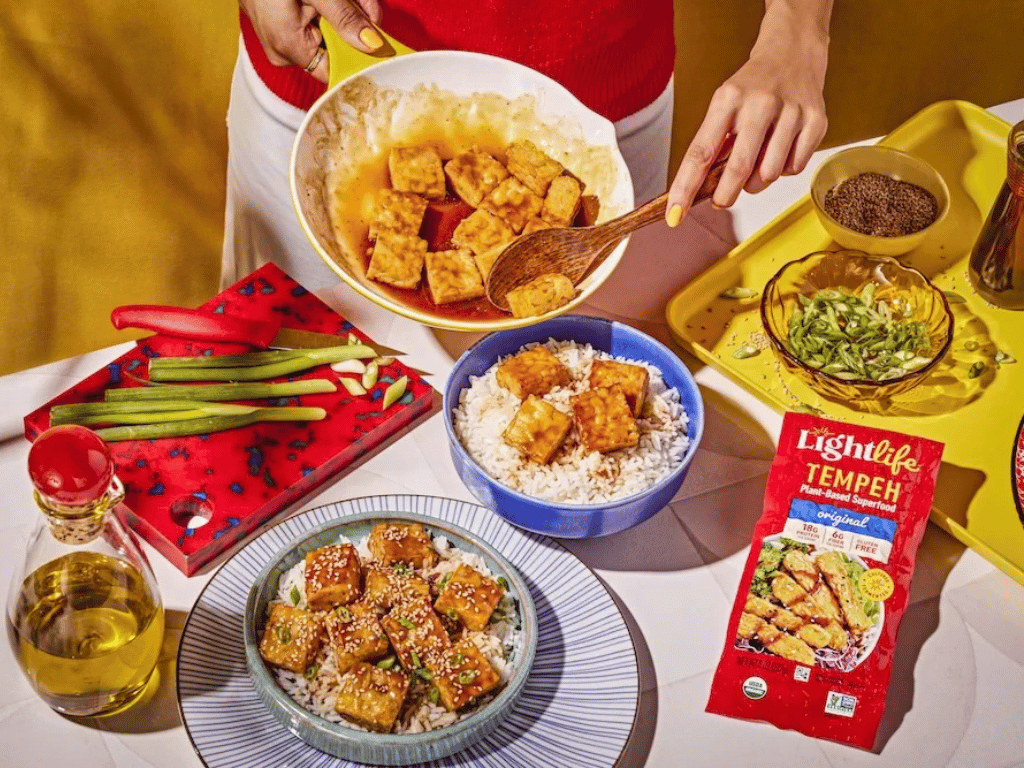
Canadian meat giant Maple Leaf Foods will close two of its plant-based protein manufacturing sites in the US, centralising production at its facility in Indianapolis instead, citing “declining volumes”.
Just as it revives one of the world’s oldest alternative meat brands, Canada’s Maple Leaf Foods is cutting its plant protein manufacturing footprint in the US.
The owner of LightLife and Field Roast is set to wind down operations at its plants in Seattle, Washington and Turners Falls, Massachusetts by the end of 2027, consolidating production into a single Plant Protein Centre of Excellence at its Indianapolis, Indiana facility.
“Over the past several years, we have taken significant action to improve the performance of our Plant Protein business, and we have made meaningful progress,” said Maple Leaf president and CEO Curtis Frank.
“But the category has changed significantly, and declining volumes have left our manufacturing network substantially underutilised. Maintaining three facilities at these utilisation levels creates structural costs that are not sustainable over the long term,” he explained.
It comes the same week the meat behemoth held a launch event for the return of Yves Veggie Cuisine, the 41-year-old plant-based protein brand it rescued after purchasing it from former owner Hain Celestial.
Indianapolis site to produce all plant proteins for Maple Leaf Foods
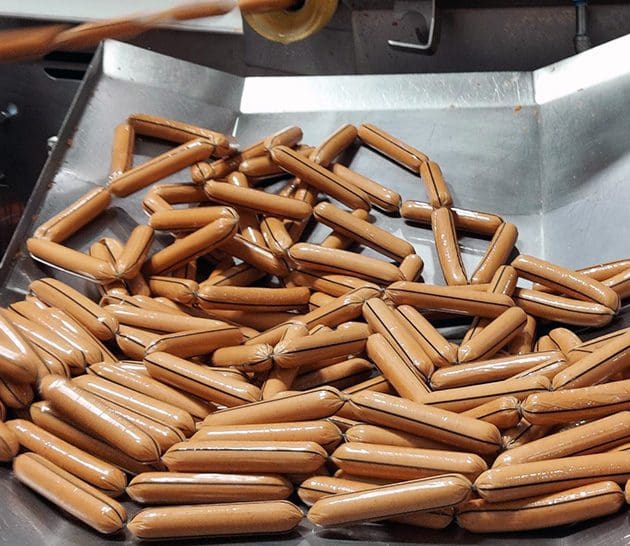
The Seattle plant was launched in 1997 by Field Roast, which was acquired by Maple Leaf in 2018. The site has 120 employees who oversee the production of meat-free sausages, deli slices, burgers, and roasts for both the Field Roast and LightLife brands.
Speaking of which, LightLife has been around since 1979, and moved its production to Turners Falls in 1998. The brand and factory were then purchased by Maple Leaf in 2017. It currently has a workforce of 120-150, and manufactures tempeh, its Smart Bacon and Smart Dogs, and ground beef, sausage, and deli meat alternatives.
The Indianapolis facility, meanwhile, is the newest. It was bought by Maple Leaf in 2021, with production starting a year later, and primarily produces a variety of tempeh products for its foodservice and retail customers. It employs 54 people, according to the company’s website, which describes it as “the largest tempeh manufacturing site in the world”.
Production at the former two facilities will continue during a transition period, which is set to last 12-18 months. This phased approach will enable the company to maintain business continuity, support customer service, and transfer production to Indianapolis in an orderly fashion.
The latter will now be the sole producer of plant-based proteins for Maple Leaf’s brands in North America, with the consolidation set to create a more efficient manufacturing network, boost capacity utilisation, and reduce operational complexity. It will lead to a more focused Centre of Excellence, with the scale and capacity to support its plant protein brands more competitively.
Decision ‘strengthens’ Maple Leaf’s plant protein commitment
The move is part of Maple Leaf’s Fuel for Growth initiative, through which it aims to streamline operations, bolster its manufacturing competitiveness, and strengthen the business’s structural profitability.
“Consolidating production in Indianapolis will significantly improve the economics of our manufacturing network and is an important step toward creating a structurally stronger and sustainably profitable plant protein business,” said Frank.
He added that the consolidation represented an “important step” in delivering Maple Leaf’s 2030 financial ambitions, with the company noting that the expected benefits, costs and capital requirements of the move are outlined in the previously disclosed outlook for that year.
Factory closures do mean layoffs. The company said it will work closely with affected team members and consider opportunities at other facilities where feasible. It also intends to invest in the Indianapolis plant and add team members there to support the expanded operations.
“Our colleagues in Seattle and Turners Falls have made important contributions to our business and have consistently demonstrated tremendous commitment to our customers, consumers and brands,” said Frank.
“This decision is not a reflection of their performance or the quality of their work. We recognise how difficult this announcement is for them and their communities, and our priority will be to support affected team members with respect, fairness and transparency.”
The CEO was adamant that the decision doesn’t change Maple Leaf’s commitment to plant proteins. “In fact, we believe it strengthens the foundation of the business,” he argued.
That’s evidenced in its acquisition of Yves Veggie Cuisine, which the company said was being revived due to “popular demand”. “Our recent relaunch of Yves Veggie Cuisine is complementary to this strategy, bringing a leading brand and additional volume into our portfolio and helping us create greater scale and improve the economics of our consolidated manufacturing footprint,” said Frank.