

UK Startup Builds Low-Cost Yeast Oil Facility, Targets 2027 Launch of Cocoa Butter Substitute

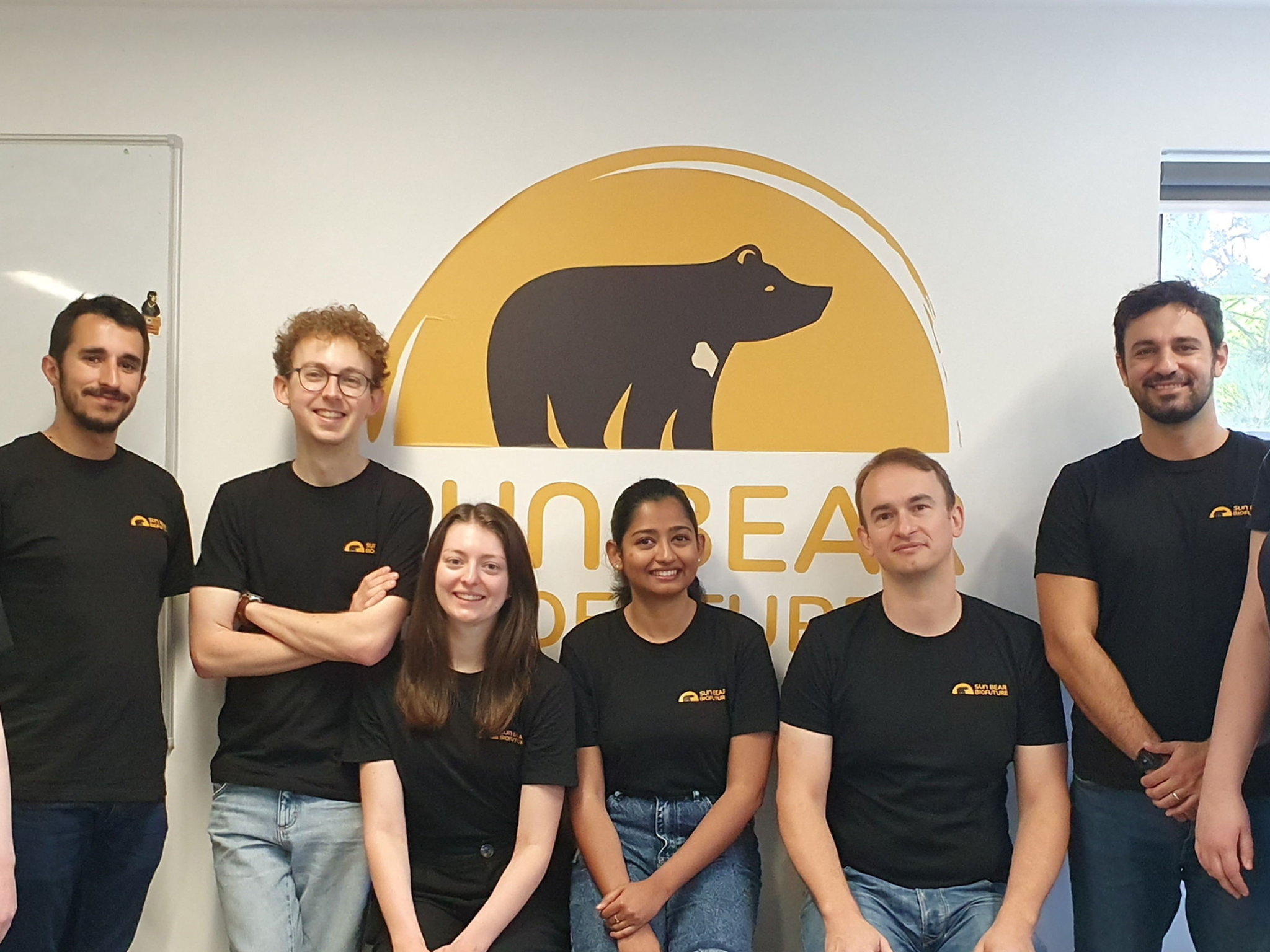
UK biotech firm Sun Bear Biofuture has completed the first run of its yeast-derived cocoa butter alternative in a setup that costs less than 10% of the industry standard.
British startup Sun Bear Biofuture is out to prove that precision fermentation can be scaled up cost-effectively.
It has completed the first production run of its yeast-based alternative to cocoa butter, which it plans to launch next year via a cosmetics partnership.
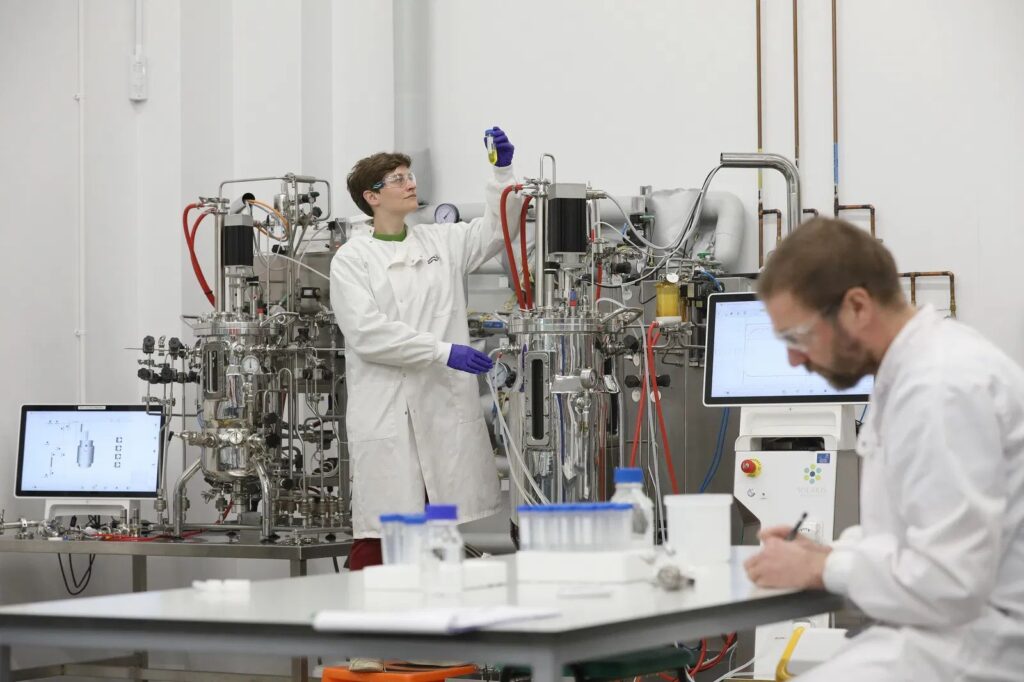
The fermentation process was carried out in a €25,000 custom-built pilot plant, representing less than 10% of the average setup costs. The automated, end-to-end facility has a production capacity of dozens of kgs per month, which the firm will use to supply food and cosmetics companies with more resilient, planet-friendly lipids.
“Proving our low-capex expansion plan was a key goal for this year, and we’ve smashed it,” said Ben Wilding, co-founder and CEO of Sun Bear Biofuture.
“The scope to meet customer demand for stable supply chains by producing our cocoa butter and oil range locally, whilst dramatically reducing the impact the industry has on the planet, is hugely exciting,” he added.
How Sun Bear Biofuture is slashing precision fermentation costs
Founded in 2022, Sun Bear Biofuture has been focused on lightening the climate impact of harmful animal and tropical fats, including palm oil and cocoa butter.
Palm oil is present in half of all supermarket items; it is the main driver of tropical deforestation and has been directly linked to wildfires in Indonesia and Malaysia. One estimate suggests that tropical deforestation accounts for nearly 20% of annual GHG emissions.
It’s widely used in the chocolate trade, itself under threat from the climate crisis. The industry is directly responsible for 94% and 80% of deforestation in Ghana and the Ivory Coast, the two largest producers of the crop.
Cocoa prices are through the roof and will continue to rise this year, as extreme weather events wipe out harvests and push a third of the world’s cocoa trees towards extinction. That jeopardises cocoa butter stocks too.
Precision fermentation can help produce a viable alternative to these lipids, but scalability and costs have long been the tech’s biggest bottlenecks, thanks to process inefficiencies, high unit costs, and the use of bioreactors designed for pharmaceuticals rather than food.
According to Sun Bear Biofuture, a conventional precision fermentation pilot plant costs between £350,000 and £1M, but its approach uses readily available, lower-cost brewery and dairy equipment to become price-competitive with commodity products like cocoa butter.
The startup engineers yeast to convert renewable sugars into a lipid-rich biomass, which is separated from the fermentation broth upon harvest. The cells are disrupted to release intracellular lipids, and the lipids are extracted with food-grade solvents, before being refined and polished.
In 2024, Sun Bear Biofuture achieved what it claimed was a “record-breaking” cell lipid content of 78% (the amount of the yeast cell composed of fat). This significantly drove down costs and fuelled its scale-up efforts. Over the last 18 months, it has designed multiple iterations of its fermentation tank and wider production facility.
The fermentation vessel cost less than £1,000, compared with the £250,000 it would normally cost, while efficiencies in downstream processing of the yeast biomass and oil extraction (by removing multiple industry-standard pieces of equipment) further reduced scale-up expenditure. It also eliminated the need for solvents like hexane, which is harmful to human health.
Cosmetics launch planned for cocoa butter alternative
The cocoa industry continues to reckon with supply shocks induced by the climate crisis – in 2024, global cocoa stocks fell to a decade low, and the ingredient’s prices hit an all-time high. In the US, a tonne of cocoa was going for a record $12,565 that December.
According to Sun Bear Biofuture, the cost of cocoa butter inflated sixfold in 2025, and there’s a major industry push to find more resilient alternatives. Its yeast-derived version can cut land use by up to 95% and reduce emissions from producing tropical fats by 90%.
The company’s low-capex approach will enable it to expand production and develop a range of future-friendly lipids, including a palm-oil substitute. It plans to set up a demo plant in 2027, with an annual capacity of hundreds of tonnes and a goal to scale up to industrial levels by 2029.
This month, it will also carry out sensory testing with the Centre for Nutrition and Health at Oxford Brookes University to test consumer responses to its ingredients in food and cosmetics products.
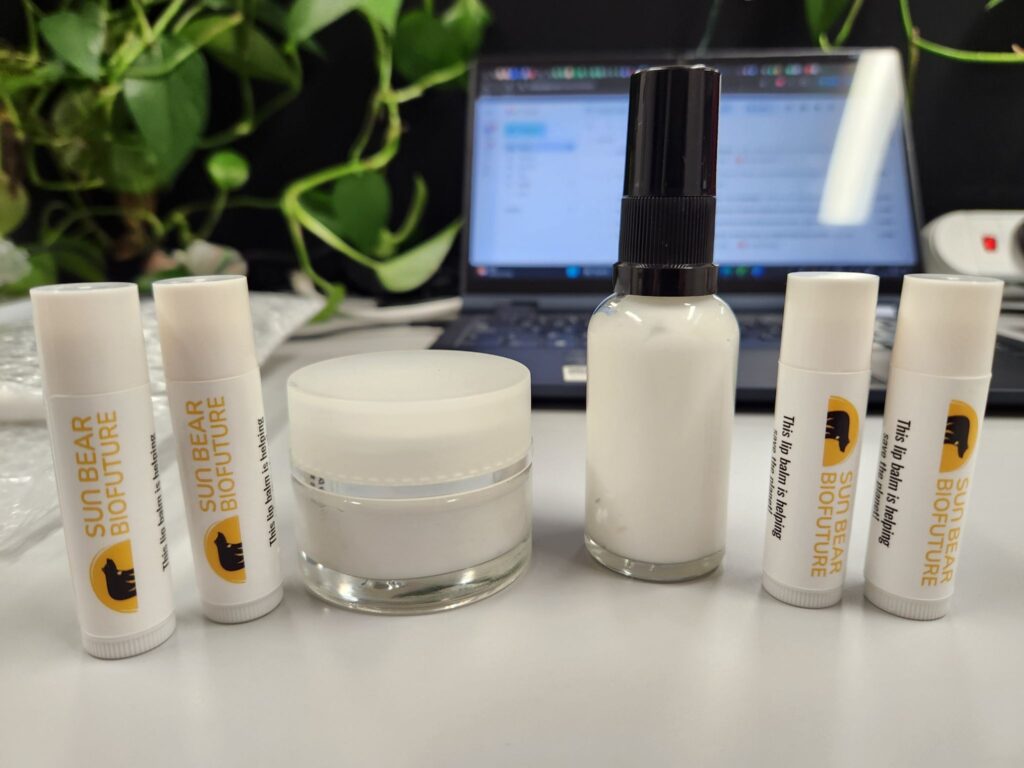
Plus, in partnership with the University of the Arts London, it received funding from Innovate UK to trial reformulations with a major high-street cosmetics brand. These tests have shown no performance difference between cocoa butter and Sun Bear Biofuture’s yeast-fermented alternative, making it an ideal drop-in replacement.
“We are now working with a globally renowned cosmetics company to launch our planet-friendly cocoa butter alternative in their range next year, which will be the real pinnacle of our efforts over the past four years,” said Wilding.
Several other companies are working on innovative technologies to decarbonise cocoa butter. French firm Smey makes cCB (Cultivated Cocoa Butter), a direct replacement created with AI and yeast fermentation.
Singapore’s Terra Oleo is producing waste-derived precision-fermented substitutes for palm oil and cocoa butter. And Germany’s Planet A Foods, already a leader in the cocoa-free chocolate space, is working on a precision-fermented alternative to cocoa butter, too.
Argentina’s Abydos Bioscience is leveraging oleaginous bacteria (instead of yeast or microalgae) to produce its version. And Israel’s Celleste Bio uses plant cell culture to produce cocoa butter, which has been used in new milk chocolate bars by Mondelēz International.