

Texas’s Plant-Based Meat Labelling Law Struck Down After Court Finds It Unconstitutional

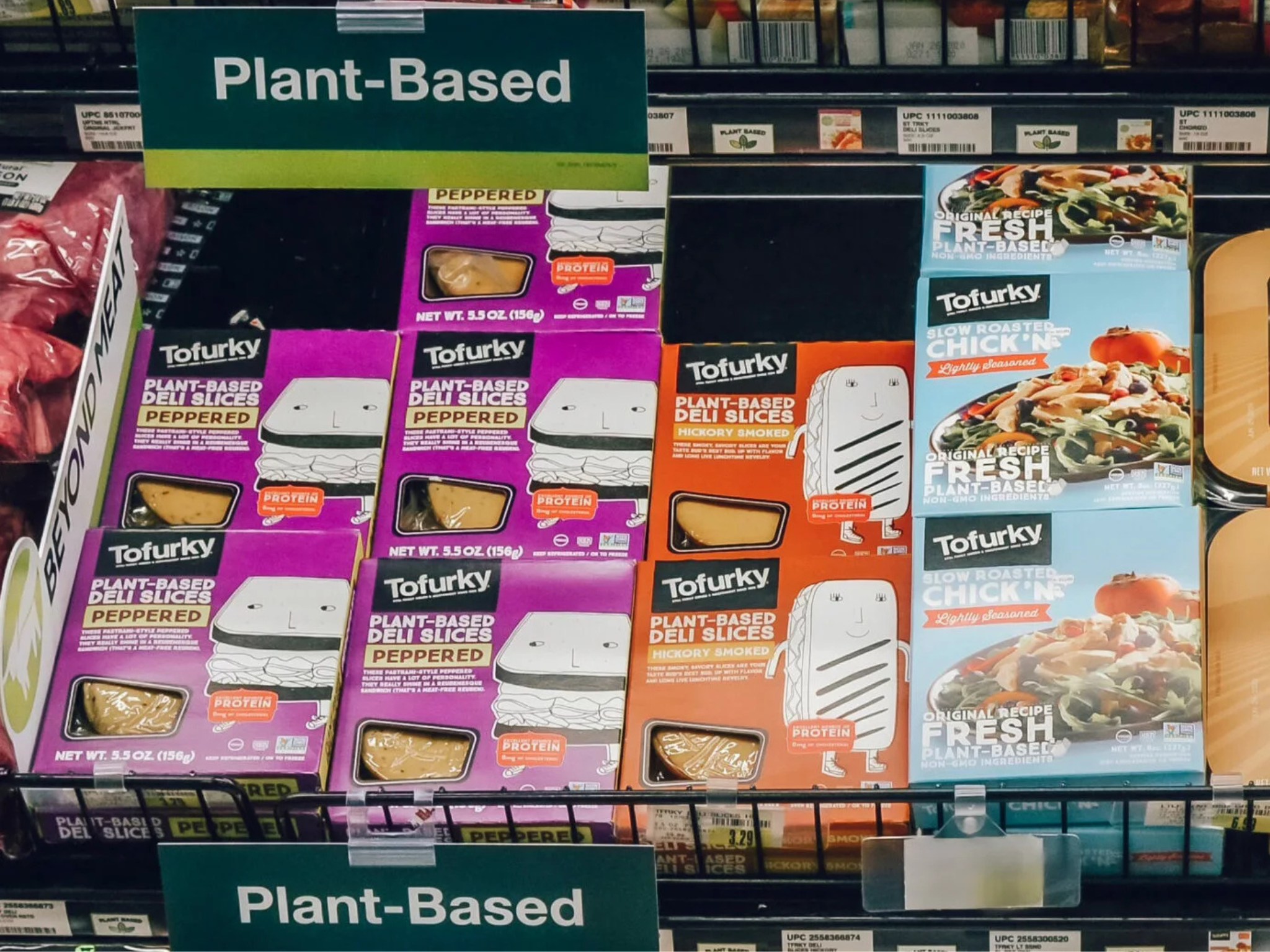
A federal district judge has ruled that Texas’s law requiring plant-based meat companies to use terms like ‘meatless’ violates the First Amendment and cannot be enforced.
In a major win for the plant-based food industry, a federal court has struck down a Texas law that imposed labelling restrictions on meat alternatives.
The law was first introduced in 2023, and stated that plant-based meat products must carry disclaimers that they don’t contain meat, in order to prevent misleading consumers.
But in a ruling in late January, a judge in the District Court for the Western District of Texas said the restriction was unconstitutional and violated “the rights of plant-based manufacturers to make accurate statements to consumers under the First Amendment”.
“Even in situations, not apparent in the record, where a plant-based food product label misleads consumers, existing law would prohibit those labels except in, possibly, a small minority of circumstances not made apparent to the Court,” explained Judge Robert Pitman.
Madeline Cohen, associate director of regulatory affairs at the Good Food Institute (GFI), said: “This ruling is a win not only for plant-based food producers, but for Texas consumers, who are more than capable of making their own choices at the grocery store without the need for protectionist regulations.”
Why the court ruled against Texas’s plant-based meat labelling law
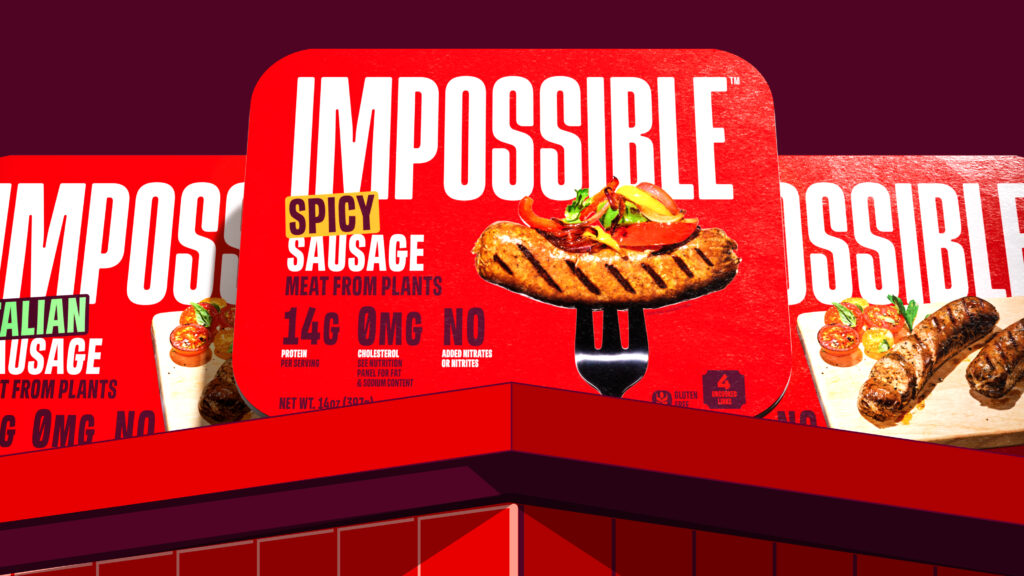
SB 664 was introduced by Senator Charles Perry and signed into law by Texas Governor Greg Abbott three years ago, requiring vegan food producers to use clarifying terms like ‘analogue’, ‘meatless’, ‘plant-based’, and ‘made from plants’, among others.
The law sought to address what it described as an “issue of unclear labelling” of meat-free products similar to animal proteins. Under the rules, these descriptors must be used immediately before or after the name of the product, in close proximity to the name, and within the same phrase or sentence containing the name.
To comply with the law, producers of meat alternatives would have had to redesign each label to conform to what advocates argue was a vague standard for any product that could reach Texas consumers. This would have prevented them from communicating the nature and contents of their products in a way that complies with federal law, and impacted their ability to sell them on a nationwide basis.
It’s why the Animal Legal Defense Fund (ALDF) and GFI filed a lawsuit against Texas on behalf of vegan food producer Tofurky and the Plant Based Foods Association shortly before the law came into effect.
The plaintiffs alleged that the law violated the dormant Commerce Clause, the Due Process Clause, the Supremacy Clause, and the First Amendment of the constitution. They further argued that it imposes additional burdensome, impractical, and unclear disclosure requirements on companies that go beyond federal law.
Pitman ruled in their favour on three separate grounds. The first was that the packaging wasn’t misleading to consumers. “Statements that are only ‘potentially’ misleading, by contrast, are ‘safeguarded by the First Amendment’. Plaintiffs have demonstrated that Tofurky’s labels clearly indicate its products are meat substitutes that are plant-based and vegan and, thus, are not misleading,” the judgment reads.
The products also did not fail the Central Hudson Test, a reference to a Supreme Court ruling regarding commercial speech and the First Amendment. Finally, the judge said SB 665 isn’t facially enjoined, since it goes against First Amendment rights.
“Even in situations, not apparent in the record, where a plant-based food product label misleads consumers, existing law would prohibit those labels except in, possibly, a small minority of circumstances not made apparent to the court,” the ruling stated. “The law is invalid in a substantial majority of all applications and is appropriately enjoined facially.”
Texas case echoes similar lawsuits across the US
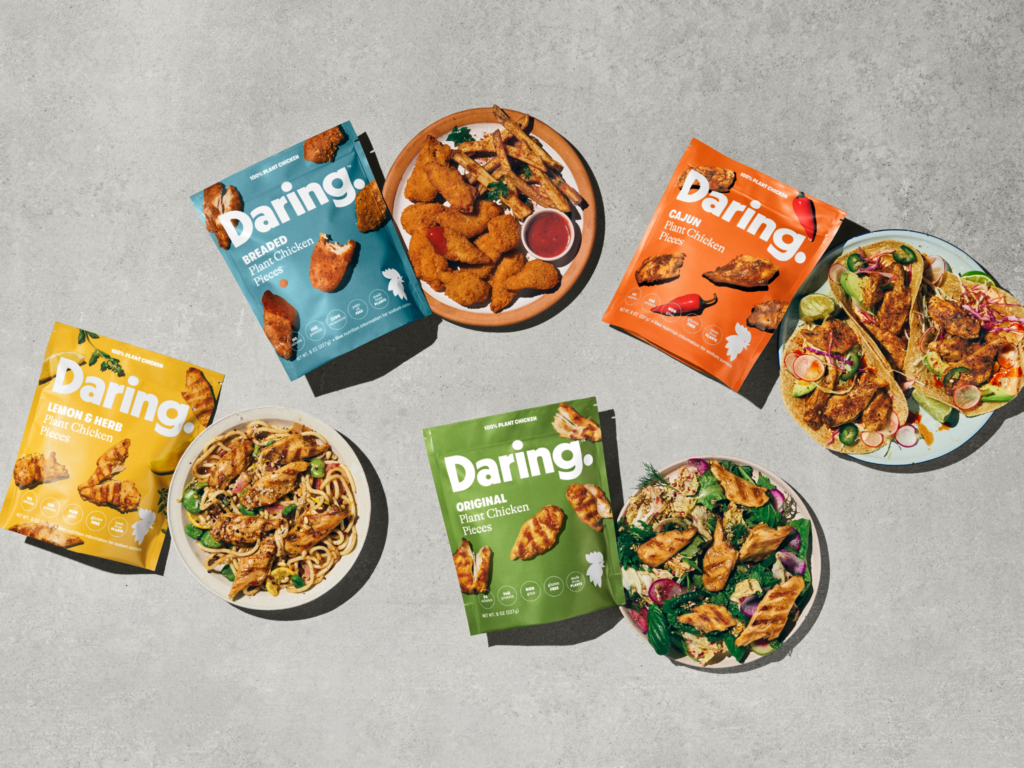
“Instead of making it easier for shoppers to purchase the food items they want, Texas attempted to manipulate the market in favour of animal products by applying a different set of rules for plant-based meat options, making it more challenging and costly for these foods to reach consumers in the state,” said Michael Swistara, staff attorney at ALDF.
“The court’s ruling rightfully levels the playing field and follows the trend of similar laws being struck down or read to be unenforceable against plant-based producers. It is not only a win for plant-based producers, but also consumers who are seeking foods that meet their personal needs and preferences, and align with their values,” he added.
Labelling has long been a thorny issue for plant-based alternatives globally, with advocates of such restrictions suggesting that these products can mislead and confuse consumers. But study after study has proven that this is far from the case – in the US, research has revealed that 75-88% of people are clear that plant-based meat doesn’t contain animal protein.
Federal courts have recognised that the likelihood of consumers being confused is “highly improbable” and “stretches the bounds of credulity”. Texas isn’t the first state to have imposed such restrictions, or have them struck down by a court.
Arkansas, Louisiana, Missouri, and Oklahoma have all introduced similar rules and faced legal challenges by Tofurky and ALDF. In 2019, a court halted Arkansas’s enforcement and called it an unconstitutional restriction. Similarly, judges in the Missouri and Oklahoma cases ruled the laws failed to apply to plant-based producers.
And an appeals court ruled that Louisiana’s law could only be applied when a company is attempting to intentionally trick consumers into thinking their products come from animals, a far-fetched scenario that rendered the law irrelevant.
“States shouldn’t be picking winners and losers in the marketplace, and this law did exactly that by restricting truthful, non-misleading commercial speech,” said GFI’s Cohen. “As the court recognised, consumers have never been confused by plant-based meat labels, and this patronising law was an attempt to solve a problem that didn’t exist – at the expense of consumer choice, free speech and the free market.”
Texas is already facing a similar lawsuit over its ban on cultivated meat. Last month, a judge denied the state’s motion to dismiss the case, allowing it to move forward to the discovery stage.
Across the Atlantic, plant-based meat labelling has become a hot topic in the European Union once again, but the bloc was unable to reach a consensus on a ban on the use of meat-related terms, so the jury is still out.