

Exclusive: MEP Anna Strolenberg on Why the EU’s ‘Veggie Burger’ Ban Reached A Deadlock

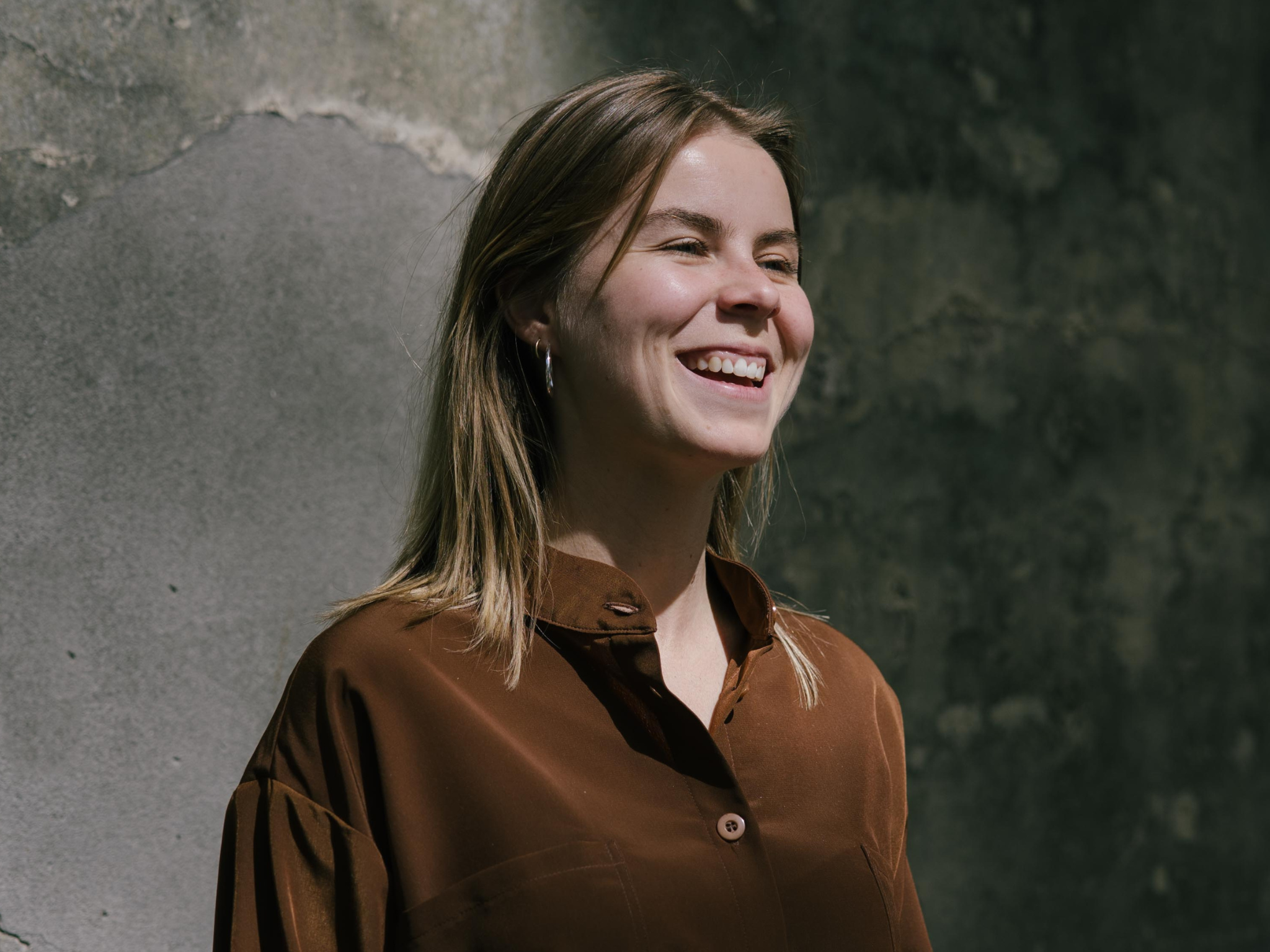
The EU has postponed its decision on the proposed ban of meat-like terms on plant-based product labels. Dutch MEP Anna Strolenberg takes us behind the scenes of the negotiations.
The European Union simply didn’t have enough time to form a position on the EU’s “politically difficult” meat-free labelling debate, leading to a collapse and subsequent delay in negotiations, according to one of the MEPs present at the heart of the talks.
Last week, the European Council (comprised of representatives from all 27 member states) was locked in intensive discussions with the Commission and Parliament over the proposed ‘veggie burger’ ban, which would prohibit plant-based producers from using words like ‘steak’, ‘bacon’ or even ‘eggs’ on their alternatives.
In the end, the lawmakers did not reach an agreement, instead pushing the file to Cyprus’s presidency of the EU Council, which will span the first half of 2026.
Anna Strolenberg, a member of the Greens/European Free Alliance, has been fiercely critical of the measure. And as shadow-rapporteur on the Common Market Organisation (CMO) regulation – a review of which reignited the labelling debate – she has an inside perspective on the EU’s thinking behind the proposal.
“Since the meat denominations were an out-of-scope amendment, which was not taken up in the initial proposal of the Commission, the Council didn’t have a position on it,” she tells Green Queen.
“They had to develop a position while the trilogue negotiations were already going on. Since it’s such a politically difficult topic, it didn’t leave enough time for the Council,” she explains. “That’s why the Council’s mandate was to keep this topic for the big CMO reform that is coming in 2026.”
Livestock lobby in ‘very close contact’ with lawmaker who proposed ban
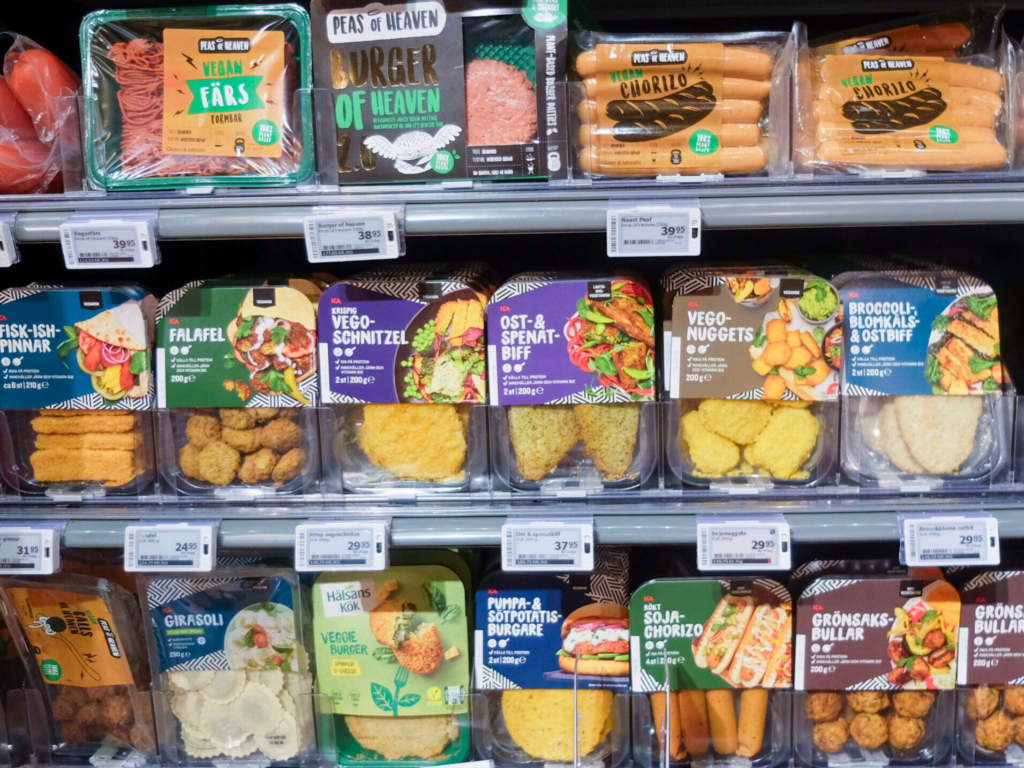
The proposal was brought by French lawmaker Céline Imart, a Parliamentary rapporteur and member of the centre-right EPP party, looking to overturn the Parliament’s 2020 decision against a ban on plant-based meat labels.
In September, the EU Parliament’s 49-member agriculture committee voted to move ahead with the ban, a decision replicated by MEPs in a plenary session with a 355–247 vote a month later. It moved the proposal forward to be discussed in the trilogue negotiations.
Reflecting on the talks, Strolenberg says Imart “stayed very strong” on her proposal. “She absolutely wanted the words ‘burger’ and ‘sausage’ [banned], and also added words like ‘ham’ and ‘liver’, which were never mentioned before. Probably because of the popularity of foie gras in France,” she reveals. “The Commission kept its view that we should only focus on specific cuts and animal names.”
The Dutch lawmaker adds that the “most disappointing thing” was the support from the centre-left Socialists & Democrats (S&D) party, which backed the EPP rapporteur’s “very strict demands on meat denominations”. “They are not really pushing back, which gives the rapporteur a strong mandate, unfortunately,” she says. “S&D could change this dynamic.”
Asked if the move was influenced by the livestock lobby – which has had its hands deep into EU policymaking for years – Strolenberg responded: “For sure, there is a very close contact between the rapporteur and pressure groups coming from the livestock industry. Also, they use this as a scapegoat to distract from the real issues the sector faces.”
She points out how the CMO review was an answer to the farmers’ protests of 2023-24. “The real goal of this file is strengthening the farmers to negotiate better contracts. The Commission’s proposal achieves this by making written contracts obligatory,” the MEP highlights.
“So it’s clear and transparent for farmers to see what prices are given for which quantity, quality, duration, under which circumstances a clause can be terminated, which mediation possibilities there are in case of disputes, etc. All essential points that we support,” she continues. “It’s frustrating that this essential debate is hijacked by a discussion about veggie burgers and sausages.”
‘Useless’ proposal gives EU a ‘bad name’ amid polycrisis
The proposal has been met with backlash from all quarters of the EU. For instance, Manfred Weber, head of the EPP itself, called the ban unnecessary, telling reporters: “People are not stupid, consumers are not stupid when they go to the supermarket and buy their products.”
In the UK, a group of eight MPs published an open letter urging the EU to reject the proposal, which would affect the British market thanks to a recently signed trade agreement.
Supermarkets, food producers, restaurants, and consumers have spoken out against the move too, with nearly 340,000 signatures collected by multiple petitions urging the EU to reject the proposal. Even celebrities like Sir Paul McCartney and his daughters, Mary and Stella, joined these calls.
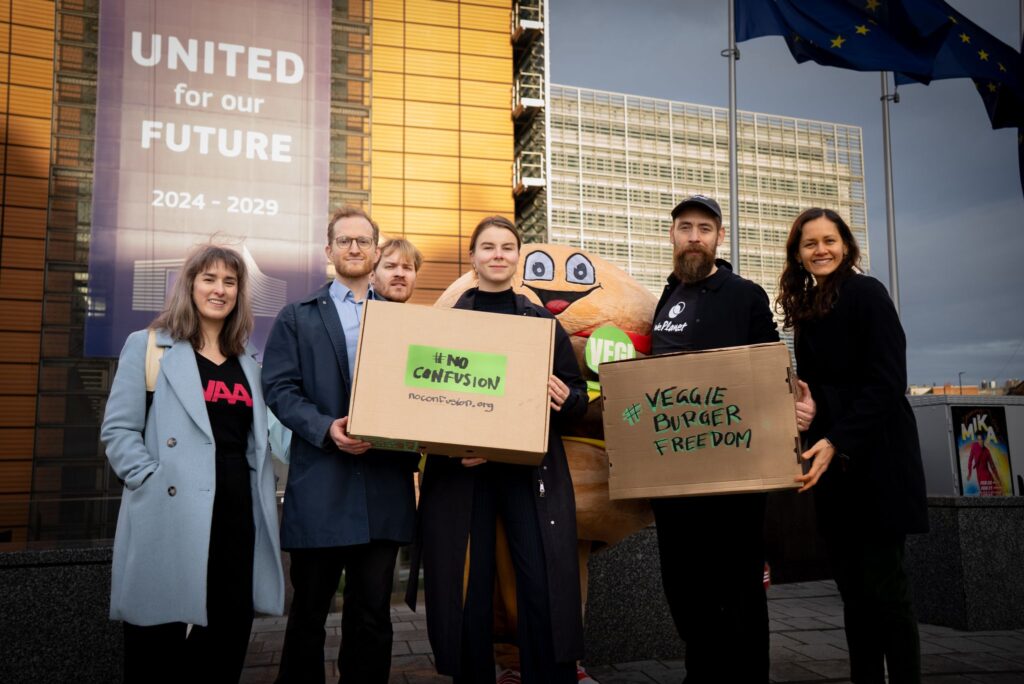
Strolenberg has been outspoken in her criticism and delivered a symbolic petition to the Commission a day before the negotiations, highlighting those citizen signatures and an open letter signed by over 600 companies and organisations in opposition to the proposed ban.
Why is the issue so dear to her? “Multiple reasons,” she says. “To start with, this won’t help any farmer; it’s a populist approach from the French rapporteur to gain popularity and distract from the real topic: the fact that farmers don’t have strong contracts.
“It’s also bad for farmers and food innovators who are investing in plant-based foods. It’s also bad for consumers – research shows they are not confused. [It’s] rather the contrary: recognisable naming helps consumers to find good meat alternatives.
“The last reason is that such types of useless ideological policies are exactly what gives a bad name to the EU. In times of war, climate crisis, and democratic breakdown, where strong policies are lacking, we are discussing burgers and sausages. That’s not what people are waiting for.”
‘No one knows how long’ it will take to resolve labelling ban
One could argue that the public pressure on lawmakers to reject the ban was decisive in the EU’s failure to reach an agreement.
When Green Queen puts this to Strolenberg, she says it “definitely helped the Danish presidency” – which has called on the bloc to transition to a plant-rich food system – in defending its case against the ban.
“Unfortunately, it didn’t really help [in] persuading political groups like the EPP or S&D to change their position,” she adds, noting that to pass the proposal, the Council needs a qualified majority, denoting 55% of member states representing at least 65% of the EU population.
Advocacy groups have argued that the ban could hinder the progress of plant-based food companies in what is the world’s largest market for their products, breeding further consumer confusion and causing financial losses from packaging redesigns, too.
Strolenberg agrees. “This indeed hurts innovators active in the food scene. They don’t know if the name of their successful product will still be possible tomorrow. And consumers feel ridiculed,” she says.
“What frustrates me is that, thanks to this burger ban, we couldn’t agree [on the entire file]. It’s now up to the Cypriot presidency to take up this file, so again, we lose months,” she points out.
“The farmer protests started almost two years ago. No one knows how long this issue will keep blocking this file, but for me, every day we refrain from giving farmers better contracts is one day too many.”
Is she hopeful of a successful outcome for the plant-based sector? “When it comes to the future, everything depends on how strongly the EPP rapporteur sticks to this point, and if the S&D keeps giving room to the EPP to get away with this,” she responds. “They are the ones that can stop this, and we will keep fighting for it.”