

Exclusive: Aleph Farms Hits Milestone in Cross-Platform Approach to Producing Cultivated Meat

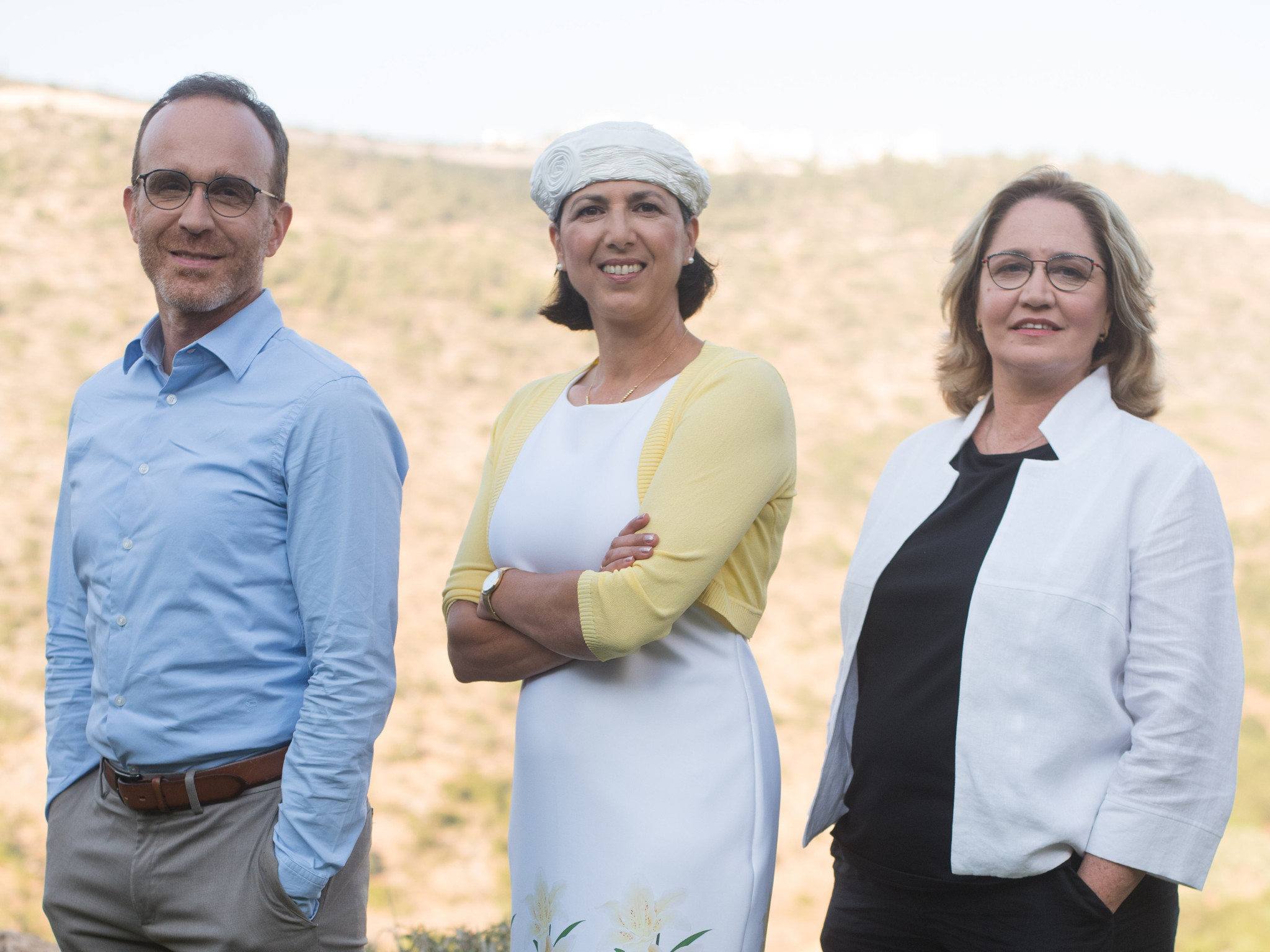
Aleph Farms CEO Didier Toubia explains how the cultured meat startup used its own growth medium to cultivate cells developed by an external partner in Roslin Technologies.
Can a partner-led, cross-platform approach unlock cultivated meat’s mass production era?
It’s a strategy being used by Aleph Farms, one of the industry’s earliest players. The Israeli startup cultures cells from Black Angus cow to produce a Petit Steak that has already been cleared to sell in its home country (and is awaiting approval in several others).
As the firm builds its manufacturing network in preparation for a 2027 launch, it has just announced the completion of the first phase of its partnership with Scotland’s Roslin Technologies, which involved using Aleph Farms’s proprietary growth medium to culture cells developed by the latter.
It’s a first for the Rehovot-based company, and a confirmation that its core technology can support cell cultivation for multiple partners and applications.
“One of the main challenges when working with externally developed cell lines is ensuring consistent performance outside of their original development environment,” Aleph Farms co-founder and CEO Didier Toubia tells Green Queen. “Cells are highly sensitive to media composition and process conditions, and even small differences can impact growth efficiency and reproducibility.”
The firm’s growth media is free from animal components and designed to support efficient and reproducible cell cultivation, which helps reduce variability and enables reliable, cost-efficient cell performance across independently developed cell lines.
“This milestone represents an early validation of Aleph Farms’ broader, powerful biomanufacturing platform, demonstrating that our enabling technologies can support multiple partners, cell lines, and applications over time, including – in the future – applications beyond food across medical, biomaterial, fashion, and cosmetic industries,” Toubia says.
Cultivated meat partnership enables strong performance and low costs
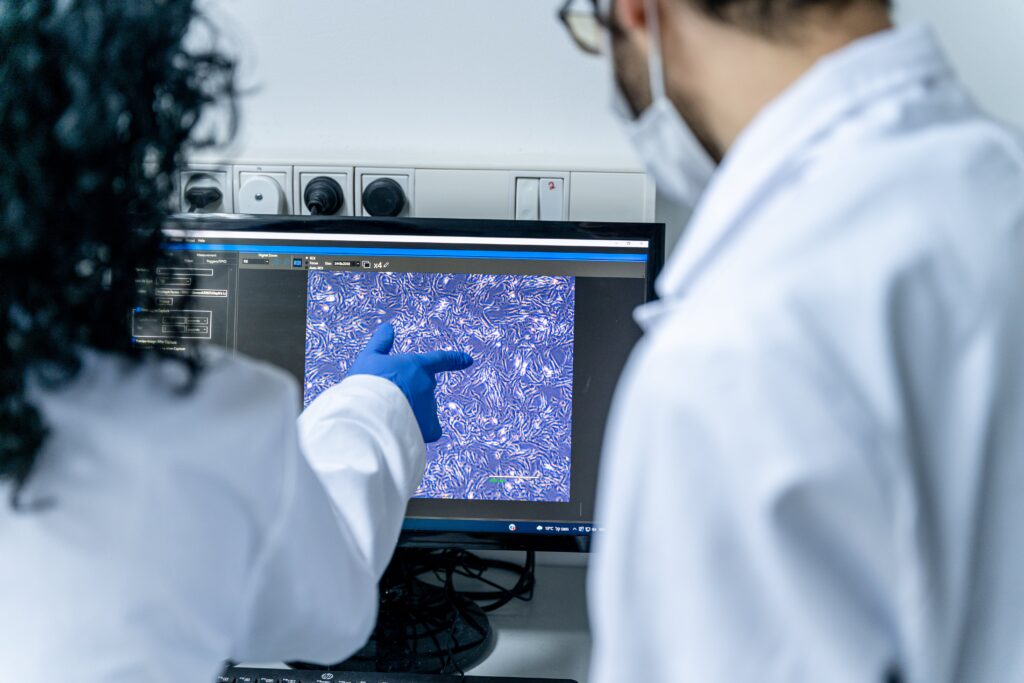
The partnership saw Aleph Farms cultivate Roslin Technologies’s bovine cell lines through its growth media, confirming “robust performance” and highlighting its technology’s flexibility. It also outlines a pathway for cost-efficient production systems for industrial biomanufacturing applications.
“Aleph Farms has developed an integrated pluripotent stem cell cultivation platform combining proprietary animal-component-free media with scalable bioprocess conditions. The platform is designed to support consistent, high-efficiency cell growth across different development and manufacturing environments,” explains Toubia.
“In the case of Roslin’s bovine cell line, no tweaks or changes to the composition were required, validating the robustness and transferability of Aleph’s cultivation platform and further supporting the potential of the platform to operate across multiple external cell systems and development programmes as part of a broader partner-enabled industrial biomanufacturing framework.”
One of the reasons the startup has postponed its launch is to figure out how to improve its platform’s scalability and lower its costs. A recent independent analysis showed that its cultivated steak could be produced at $6.45 per lb and sold in wholesale for $12.25 – and with further process enhancement, the cost of goods sold could fall to just $4.08 per lb.
“Aleph Farms’s animal-component-free media is designed to support stable cultivation while relying on inputs that have a structurally lower and more scalable cost profile than animal-derived components,” says Toubia.
“In partner settings, this has enabled both strong cultivation performance and a lower input cost structure. The intent is not to replace existing solutions, but to help enable a faster path towards commercially viable large-scale production while creating a scalable cost foundation that can support multiple cell-based applications over time across food and adjacent bio-based sectors.”
Why Aleph Farms is betting on a partner-led approach

The Roslin Technologies partnership is part of Aleph Farms’s broader strategy to build a “versatile industrial biomanufacturing platform” that can be leveraged through “joint development, partnerships, or licensing models across a wide range of bio-based applications and industries”, Toubia says.
The startup has already teamed up with businesses in Europe and Asia, and will keep exploring more collaborations to apply its platform across new cell types and industries, including the medical, biomaterials, fashion, and cosmetics sectors.
“Aleph Farms continues to develop its own proprietary cell lines and inputs as a core part of its technology platform. At the same time, we are pursuing a partner-led approach because we believe the future of cellular agriculture and broader cell-based biomanufacturing will be enabled by open, partner-ready platforms rather than closed systems,” notes Toubia.
“Working with partners helps demonstrate that our media and cultivation platform can support different cell types and development approaches. This not only accelerates cultivated meat scale-up and commercialisation, but also enables a more capital-efficient development model and shortens time to market by leveraging existing capabilities and infrastructure.
Now, Aleph Farms is advancing into the second phase of its link-up with Roslin Technologies, which will see them expand into additional species and cell types, including porcine and ovine cells.
“In the long term, our goal is to continue evaluating additional cell lines based on industry needs and potential applications,” Toubia says.
“The collaboration is part of a broader effort to build a flexible cell cultivation methodology that can support different species and, over time, enable applications across a range of products and adjacent industries, including future cross-industry deployments through partner-led programmes enabled by this powerful platform.”