

Äio’s Yeast-Derived Fat Enters the Cosmetics Market with Tilk’s Skin-Boosting Serum

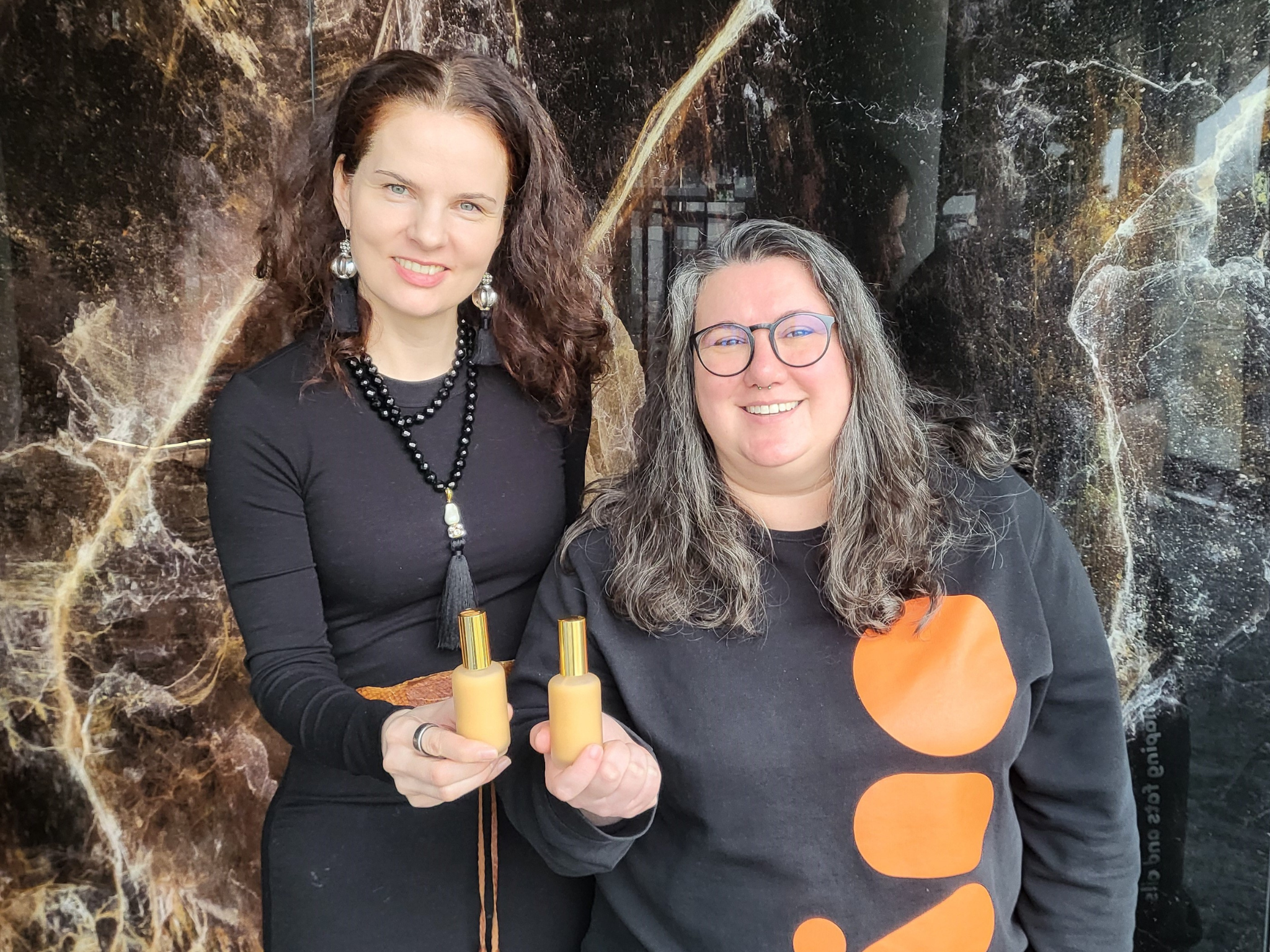
Estonian startup Äio has debuted its upcycled, sustainable fat alternative, RedOil, in a skin-boosting serum created with personal care brand Tilk.
Accelerating the drive to phase out harmful tropical and petroleum-based oils from the personal care industry, Estonia’s Äio has commercialised its planet-friendly alternative made from yeast and industry waste.
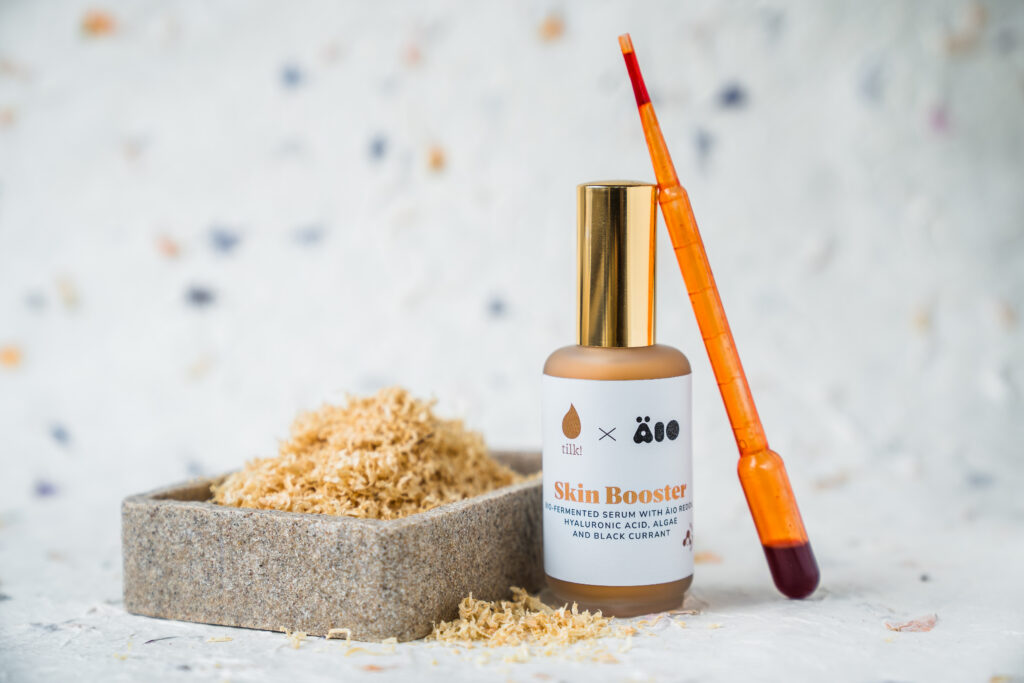
The startup has teamed up with natural skincare brand Tilk to develop a Skin Booster Bio-Fermented Serum, marking the debut of its RedOil ingredient. The product combines the fermentation-derived fat with algae and plant-based actives to deliver a non-irritant alternative to retinol and strong cell renewal properties to support the skin’s natural barrier.
“Seeing an idea that started in a research group evolve into a real commercial product is exactly what deep tech is about,” said Äio co-founder Petri-Jaan Lahtvee. “This product is a strong example of how science, supported by the right ecosystem, can create tangible value.”
RedOil delivers ‘measurable benefits on the cellular level’
A spinoff from the Tallinn University of Technology, Äio is built on research conducted by Lahtvee and co-founder Nemailla Bonturi. It leverages biomass and precision fermentation to turn byproducts from the wood, dairy and wider food industry into nutrient-rich alternatives to animal and plant-based fats.
These sidestreams are fed to a proprietary ‘red yeast’ microbe to produce the fats, with the whole process requiring 97% less land and 90% less water than palm oil production, and being 10 times faster.
Äio has developed several ingredients, and it’s entering the market with RedOil, a bright-red lipid that can be swapped for fish, seed and vegetable oils. It’s described as being rich in antioxidants, carotenoids, and essential fatty acids, and can support skin barrier function, hydration, and resilience against environmental stressors.
“RedOil is such an incredible ingredient to work with,” said Magdalena Koziol, head of cosmetics development at Äio. “It’s not just a premium oil with a great sustainability story. When we received the analytical results, it became clear that it delivers real, measurable benefits on the cellular level.”
She added: “This is not just about marketing claims, it is about science. We are truly happy to see this cooperation and initiative come to life, where multiple innovative ingredients are combined into real products. It is great to see Estonian brands like Tilk promoting ingredients made locally. They have been an excellent partner, curious, hands-on, and committed to creating formulations that truly work.”
Available on Tilk’s website for $84, the skin-boosting serum is designed to restore elasticity, deeply hydrate, reduce redness, and improve skin tone. Aside from RedOil, it contains blackcurrant seed oil, which adds essential fatty acids like gamma-linolenic acid to calm inflammation and support regeneration.
Low-molecular-weight hyaluronic acid offers hydration properties, while a blend of natural moisturising factors (including sodium PCA, urea and amino acids) supports prolonged hydration and skin balance. Plus, the addition of vitamin B3 enhances the formula by improving the skin tone, reducing redness, and promoting a more even, radiant complexion.
Äio prepares for scale-up and fundraise after market launch
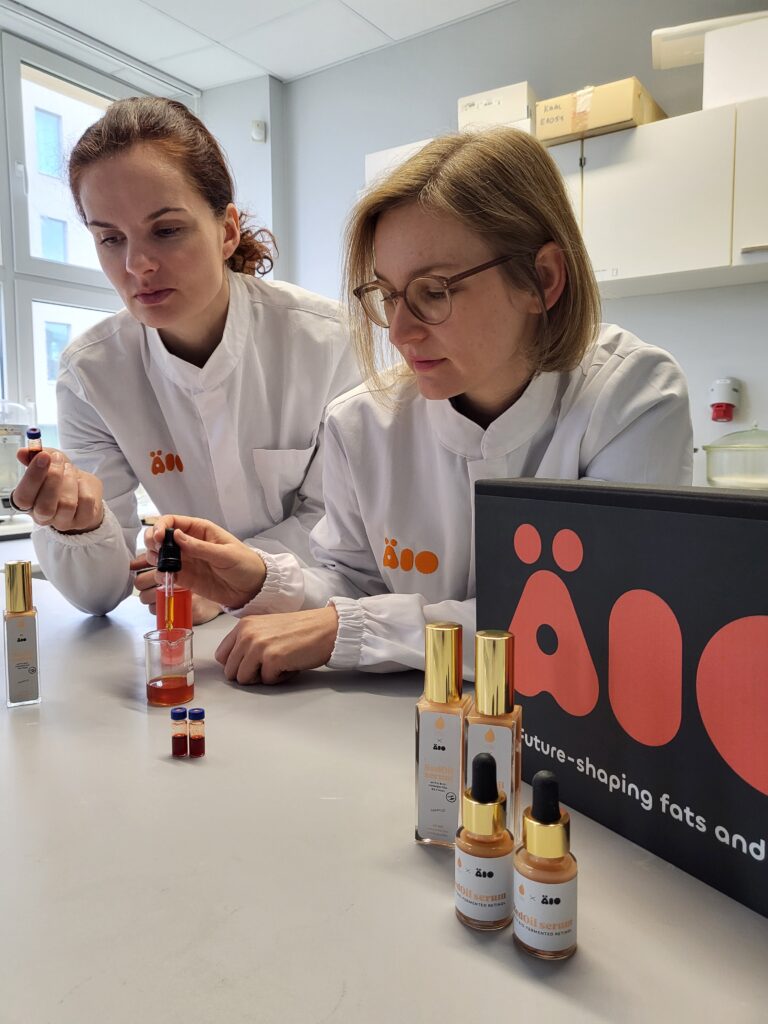
The collaboration has entailed everything from early ingredient testing to final product development. “We have worked with many new ingredients, but what made Äio different was the combination of scientific credibility and real sustainability impact,” said Tilk CEO Pille Lengi.
“RedOil is not only effective on skin, but it represents a new way of thinking about cosmetics, using upcycled resources to create high-performance actives,” she added.
The serum is one of the first cosmetic products in the EU featuring fermentation-derived oils from sidestreams, and comes as manufacturers look to shift away from planet-harming lipids like palm oil and petroleum-based mineral oils.
Two-fifths of all oil produced is palm oil, which is a driver of rampant tropical deforestation and has been directly linked to wildfires in Indonesia and Malaysia.
It’s why the EU’s Deforestation Regulation, set to take effect this December after several delays, will ban the import of products like palm oil linked to deforestation. Violators face fines of up to 4% of their global turnover, and currently, 34% of palm oil imports potentially come from deforested land.
“As a scientist, I started this journey with a bold idea: that we can produce better fats and oils without relying on agriculture. In just four years, we have built technology, scaled it, secured partnerships, and now we are bringing our ingredients into real products you can buy,” said Bonturi, who is Äio’s CEO. “This is a huge milestone for our team and investors.”
The startup has also created Encapsulated Oil, a high-protein, high-fibre fat substitute for food and cosmetics; ZymaLipid Complex, a texture-enhancing and emulsifying alternative to palm, coconut and soybean oils; and Flavoured Fat, lipid-rich yeast biomass with umami taste and functional mouthfeel.
The firm benefitted from two government-backed grants to scale up production in 2025, and is aligning its product development with EU regulations, ensuring full safety and compositional characterisation. It expects to kick off a Series A fundraise in Q3 2026, which will help it notch large-scale tech licensing deals. It’s already in talks with over 120 partners worldwide, including leading food manufacturers.
Several other startups have developed fermentation-derived fat alternatives for the food and cosmetics industries, including Clean Food Group, Savor, Melt&Marble, NoPalm Ingredients, C16 Biosciences, and Terra Oleo.