

Raisio Expands Finnish Oat Facility to Fuel Plant-Based Dairy Production & Global Growth

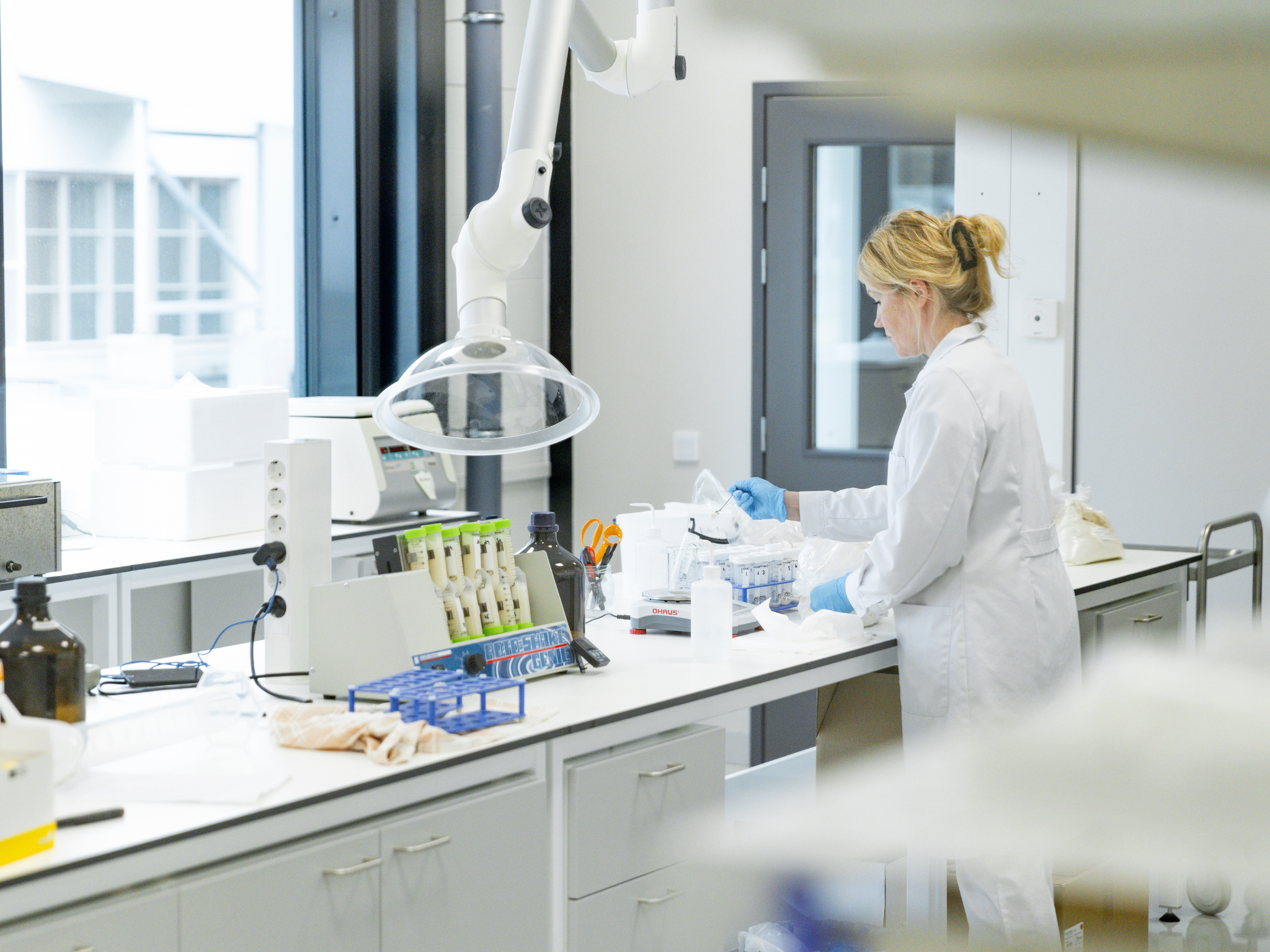
Finnish oat producer Raisio Group has completed a $1.7M expansion of its Nokia Mill, which produces gluten-free oats for its sister plant-based facility and international customers.
Raisio Group, the parent company of Benecol and Elovena, has boosted its oat production capacity by installing a new lab building at its Nokia Mill.
The new facilities were set up with a €1.5M ($1.7M) investment to support quality management, production operations, and the continuous development of Raisio’s oat and grain ingredients.
The expansion forms part of the company’s ongoing investment programme to strengthen its oat expertise, production capabilities, and foundations for international growth. As part of this, it has plunged €19M ($21.7M) into the Nokia Mill since 2018.
These investments have been driven by strong growth in international demand for gluten-free oat ingredients and better-for-you snack products in recent years.
“Nokia Mill is a key part of our growth built on Finnish oat expertise. The investments support both our current business and future innovations,” said Noora Pöyhönen, chief business officer of Raisio’s breakfast, snacking and food solutions arm.
Nokia Mill set to accelerate Raisio’s international oat business
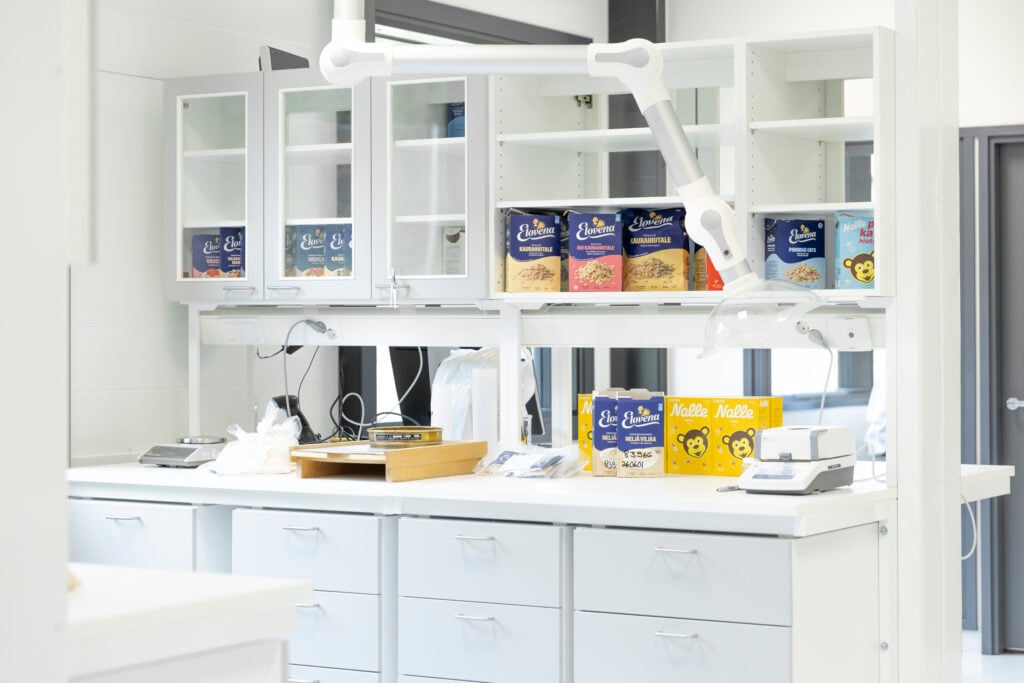
The Nokia facility employs around 60 people and produces all of Raisio’s flake products, as well as its oat and rye flours for its factory in Raisionkaari.
Its production lines manufacture both consumer products sold under the Elovena and Nalle brands, as well as grain-based innovations for industrial and bakery customers.
“Oats are one of the most important growth categories in the European food market, and there is strong demand for Finnish oat expertise,” said Pöyhönen.
The Raisio Food Solutions division exports gluten-free oat ingredients from Nokia Mill, including oat flakes, flours, groats, and bran, to international markets.
International growth in the breakfast and snacking categories is one of the company’s three focus areas. In recent years, it has introduced Elovena’s products – which include oat milks and non-dairy yoghurts – to several European markets, the latest being Spain and the Netherlands.
”The strategic importance of Nokia Mill to Raisio and to our breakfast, snacking and food solutions business has increased significantly in recent years. Through these investments, we have strengthened our capabilities to grow the business internationally,” Pöyhönen explained.
Raisio amps up investment in waste-to-value projects
The expansion comes around the same time Raisio kicked off a government-backed sidestream valorisation project, through which it will convert grain processing byproducts into functional fibre ingredients.
The four-year project is part of the Global Center for Sustainable Bioproducts, and is backed by €1.8M ($2M) in funding from state investment agency Business Finland, with Raisio investing a further €2.7M of its own capital.
This effort includes scaling up waste valorisation processes at Raisio’s new pilot plant, which was completed this spring at the Raisionkaari industrial site. The company is looking to validate the applications and markets for these new ingredients, as well as improve the resource efficiency of grain processing.
Meanwhile, the new lab at Nokia Mill represents the latest in a series of investments in the facility, the most significant of which came during 2018-19, helping modernise the manufacturing process, enabling the production of gluten-free oats and oat fibre concentrates, and boosting capacity.
Raisio’s other capacity-building investments included a new packaging line commissioned in 2021 and a production line for instant oatmeal products completed in 2024.
Moreover, Nokia Mill’s energy solutions were renewed in the summer of 2021, when a new heating plant was commissioned at the site. This utilises oat husk, a byproduct of the milling process, to produce heat and steam, with the process proving to be an effective way to ensure a more sustainable and cost-efficient energy supply.