

Exclusive: Those Vegan Cowboys Launches Animal-Free Casein Protein Discovery Programme

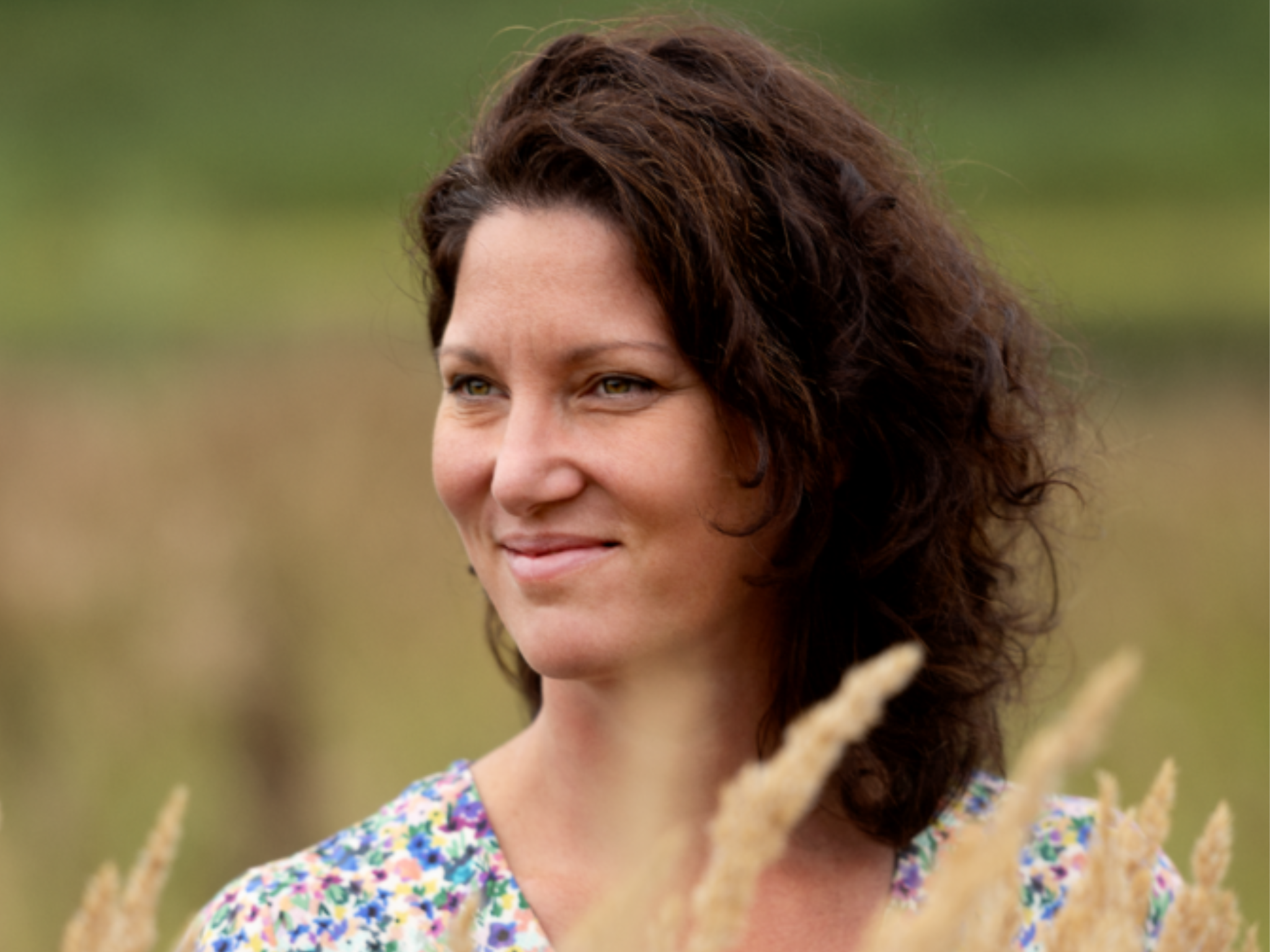
Dutch-Belgian precision fermentation startup Those Vegan Cowboys has established Margaret’s Finest, a collaborative discovery programme to explore the potential of animal-free casein proteins.
Ahead of the launch of its cow-free casein in the US, Those Vegan Cowboys is expanding its precision fermentation expertise with Margaret’s Finest, an R&D initiative to explore the potential of animal-free dairy proteins with food industry partners.
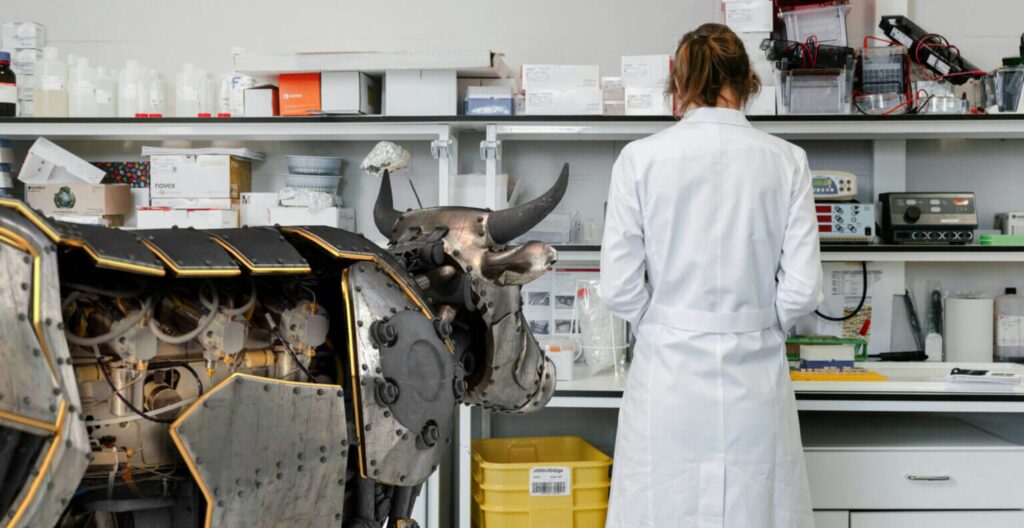
Named after Margaret, the company’s stainless-steel cow named after former British prime minister Margaret Thatcher, the protein discovery programme builds on the startup’s breakthroughs in expressing casein protein identical to that found in a range of animal species via precision fermentation.
In addition to its flagship cow-free alpha-s1 casein protein, which is set to enter the US market this year, Those Vegan Cowboys has produced recombinant caseins from sheep, goats, buffaloes, llamas, and other mammals at lab scale.
While these aren’t part of its commercial pipeline just yet, they demonstrate the potential of its precision fermentation platform. “We want to use Margaret’s Finest to work with food and ingredient companies to determine which caseins should be developed next,” CEO Hille van der Kaa tells Green Queen.
“By listening to the market and learning where companies see the greatest opportunities, we can make informed choices about the next proteins to bring forward,” she notes.
Margaret’s Finest brings together food manufacturers, ingredient companies, nutrition specialists and research organisations to systematically compare and evaluate different caseins and their performance across various food applications.
How the protein discovery programme will work
Casein is a family of proteins found in mammalian milk, known for a range of functional properties. Dairy caseins, for instance, proivide can emulsify and stabilise products and aid in gelling – they’re what makes hard cheeses melt, stretch, bubble and brown.
Different mammals produce different versions of casein, each having evolved for specific biological purposes. Until now, studying and applying these proteins at scale has been difficult since they depended on animal agriculture, according to Those Vegan Cowboys.
Precision fermentation involves inserting specific DNA into microbes to teach them to produce the desired molecules when fermented, surpassing the animal altogether. The technology is widely used in the dairy industry to make rennet for cheese.
Those Vegan Cowboys’s first ingredient is a recombinant alpha-S1 casein protein, the main protein found in dairy. “At the same time, we’ve been looking beyond that first product, exploring other caseins, such as beta-casein and casein from mammalian species other than cows,” says van der Kaa.
“Along the way, we discovered that we can successfully express these proteins as well. That’s when you realise the possibilities are almost endless. If you can produce caseins from virtually any mammal, where do you focus next?” she asks.
“Perhaps one type offers superior digestibility or reduced allergenicity, another delivers better melt, while yet another has unique nutritional or functional properties. We simply don’t believe we can, or should, answer all of those questions on our own. That was the start of thinking about something like the Margaret’s Finest programme, earlier this year.”
She’s convinced that many food and ingredient companies already possess valuable application knowledge that complements our expertise in producing these proteins. “Rather than deciding on our own which proteins deserve to be next, we’re inviting companies with a particular interest or challenge to work with us,” she says.
“In practice, we expect companies to approach us with their ideas, after which we’ll explore together where our expertise and their knowledge can create the greatest value.
“That collaboration could take many forms. We may jointly design research projects, establish broader research consortia, apply together for public funding, or work directly with companies that already have a clear understanding of the functionality they’re looking for. There isn’t a single roadmap for bringing a breakthrough technology like this to market. The path is something you discover together.”
End goal is to reach cost-competitiveness with conventional casein
Those Vegan Cowboys will supply its casein protein as an ingredient to food manufacturers. “As for the first consumer product, there are still several possibilities under consideration. It’s too early to say exactly which product will launch first or how it will be branded,” says van der Kaa.
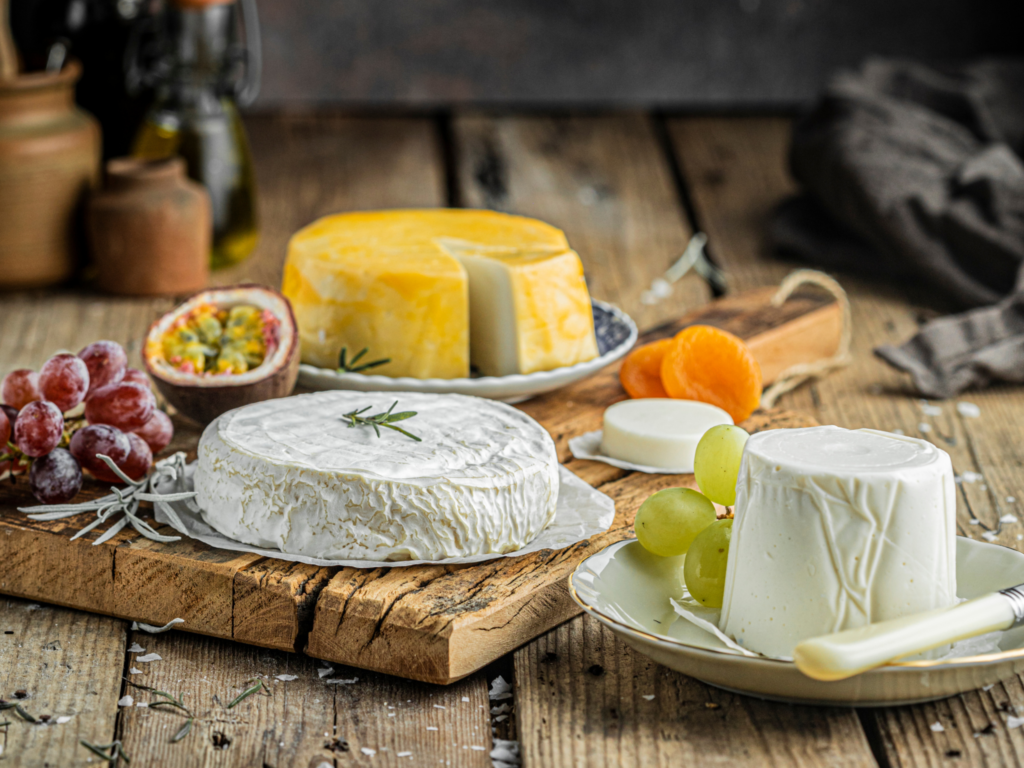
The startup is working with over 10 food companies, including dairy majors Westland Kaas and Hochland, to produce cheese and milk chocolate products with its cow-free casein. It is focusing on cheeses like mozzarella, Camembert, feta, burger cheeses, and aged varieties, as well as chocolate bars, bonbons and coatings.
Cheese remains its main commercial focus, although it’s interested in a broader array of applications with the Margaret’s Finest programme, from other dairy products, to sports and medical nutrition, to infant nutrition, where different caseins may offer unique functional or nutritional advantages.
“At this stage, we’re not making any assumptions about which proteins will be most valuable. That’s exactly why we’re launching this programme: to work with food and ingredient companies that already have deep expertise in specific applications and learn together where different caseins can make the biggest impact,” van der Kaa reiterates.
“Our goal isn’t to develop every application ourselves, but to identify the greatest opportunities together with partners who know their markets best,” she says.
The end goal is to achieve costs that are competitive with animal-derived casein. “By combining low cost of goods sold with improved functionality, we believe we can deliver an ingredient that is commercially compelling while also helping to transform the dairy industry. This programme is part of this journey,” van der Kaa outlines.
The precision fermentation firm is presenting Margaret’s Finest at the IFT First trade show in Chicago this week, where it will also showcase its alpha-s1 casein ingredient.
Those Vegan Cowboys lays out international strategy amid wait for FDA approval
Those Vegan Cowboys has already self-affirmed its casein as Generally Recognized as Safe (GRAS) in the US, enabling it to sell the ingredient in the country. Only New Culture, Eden Brew, and Formo share that milestone for precision-fermented casein.
It is now pursuing a ‘no questions’ letter from the Food and Drug Administration (FDA), which is expected later this year. This is notable because the self-determination rule may soon be eliminated.
“As a young company introducing a completely new ingredient, we believe it’s important to build as much confidence as possible among customers, partners and consumers,” van der Kaa says when asked why the startup has decided to wait for the FDA letter before launching its ingredient.
“Receiving an FDA ‘no questions’ letter is not legally required, but it provides an additional level of reassurance that many food companies value when evaluating new ingredients. Because our first launch is with a leading industry partner, we felt it was the right moment to wait for that additional regulatory milestone before entering the market,” she explains.
“In other words, this decision is driven less by regulatory necessity and more by our commitment to giving customers the confidence they need to adopt a new technology.”
The startup, which recently raised €12.25M ($14.2M) from equity and crowd investors, has indicated its intention to file for approval in Singapore, Europe, and the UK, too. “Those plans are still very much in place. However, we’re waiting for the right timing before submitting regulatory dossiers in additional geographies,” van der Kaa says.
“At the moment, our hands are full preparing for our first launch in the US and scaling up production to support that market. Once those activities are well underway, we’ll broaden our regulatory focus. We expect to revisit filings in other regions later this year as part of our international expansion strategy.”