

Finnish Govt Invests in €4.5M Project to Turn Grain Waste Into Fibre Ingredients

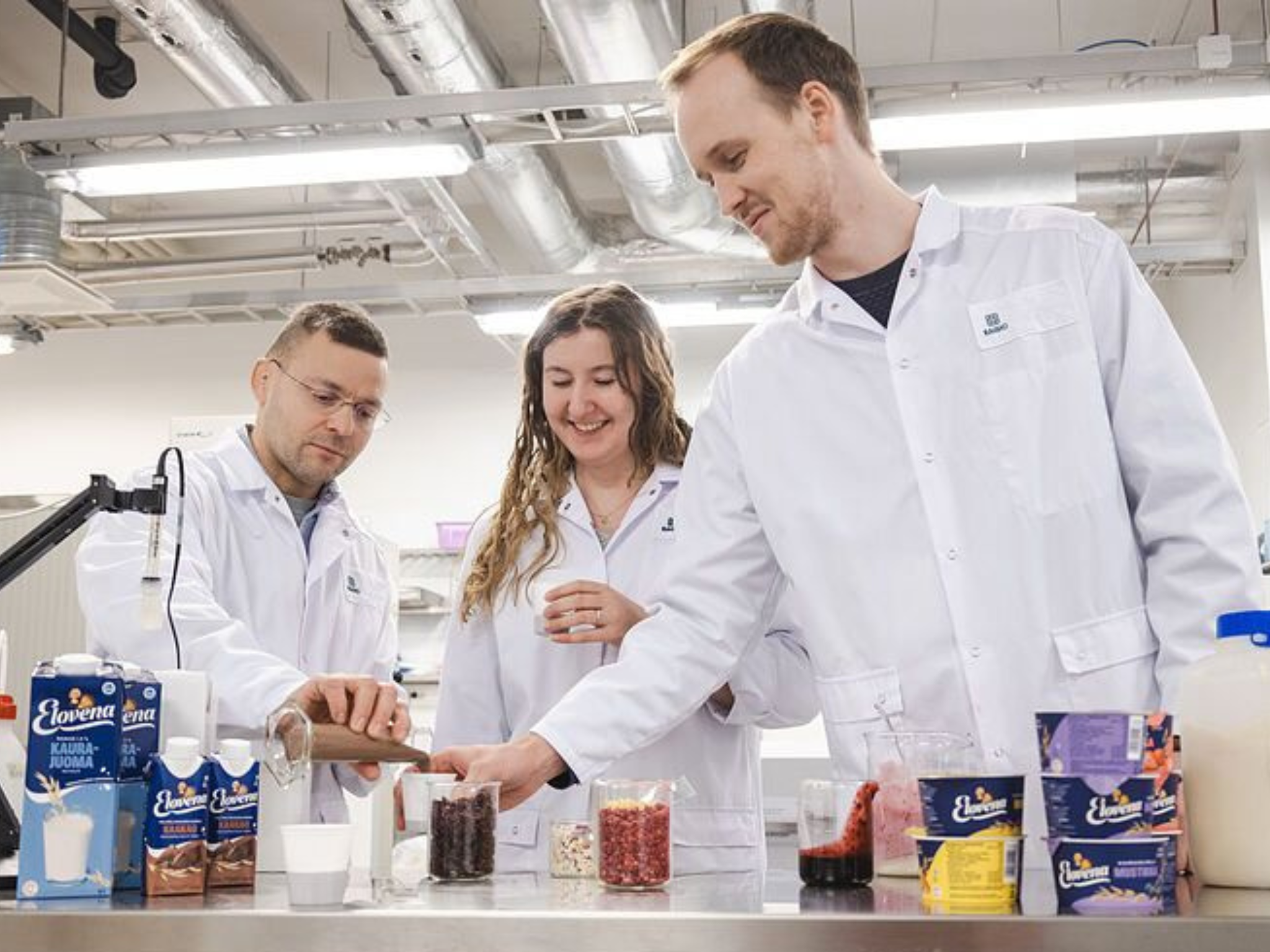
The Finnish government has invested €1.8M in local food producer Raisio for a project to create functional fibre ingredients from grain byproducts, with the latter investing a further €2.7M.
As Europe seeks to cut its food waste footprint, its upcycled food economy is increasingly attracting investment capital.
In Finland, this comes in the form of a new research project to convert grain processing sidestreams into functional fibre ingredients. The effort is led by the healthy food company Raisio and backed by €1.8M in funding from the state investment agency Business Finland.
Raisio, the parent company of Benecol and Elovena, is investing €2.7M of its own capital into this project, bringing the total to €4.5M. The funding was granted as part of a Finnish consortium of 16 companies and research organisations, whose collective value is around €12M.
The four-year project, led by Raisio, is part of the Global Center for Sustainable Bioproducts, which convenes industry and academia from Europe, North America and Asia to accelerate the transition to a more sustainable food system powered by renewable resources.
Funding will help scale up waste valorisation at Raisio’s new facility
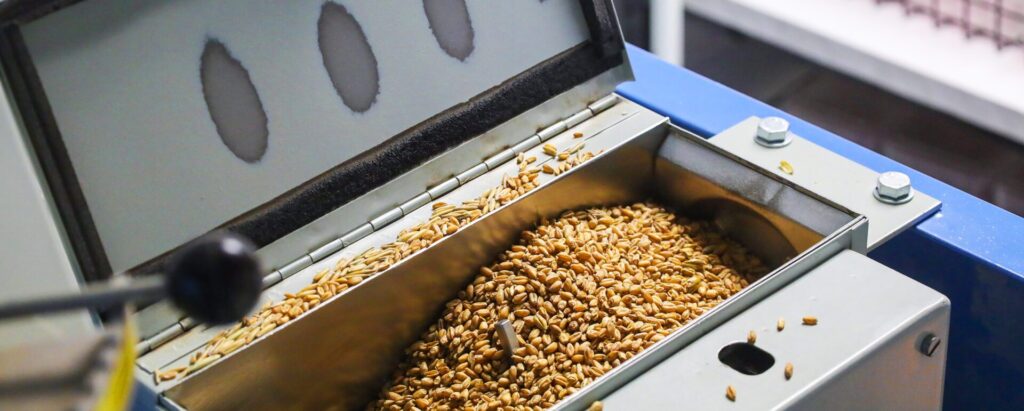
Raisio’s sidestream valorisation initiative – which will run until the end of 2029 – is focused on developing new ingredients and production technologies from grain byproducts, with the aim of developing healthy food solutions through fibre ingredients with strong nutritional and technological benefits.
The project includes scaling up waste valorisation processes at Raisio’s new pilot plant, which was completed this spring at the Raisionkaari industrial site. It received NextGenerationEU funding from Business Finland to build the pilot facility.
The company is looking to validate the applications and markets for these new ingredients, as well as improve the resource efficiency of grain processing.
Last year, its R&D expenses totalled €3.2M, and according to the firm, the new funding represents a “significant investment” in its innovation capabilities. It further bolsters Raisio’s long-term commitment to sustainable growth, resource efficiency and new business development.
The aforementioned consortium is coordinated by Åbo Akademi University and includes partners such as the University of Turku and Aalto University.
Within this cohort, Raisio is contributing its waste-to-value expertise for healthy food ingredients, boosting its global innovation network and supporting its strategic intent to be a leading fibre innovator in Europe.
Why fibre is having its moment in the spotlight
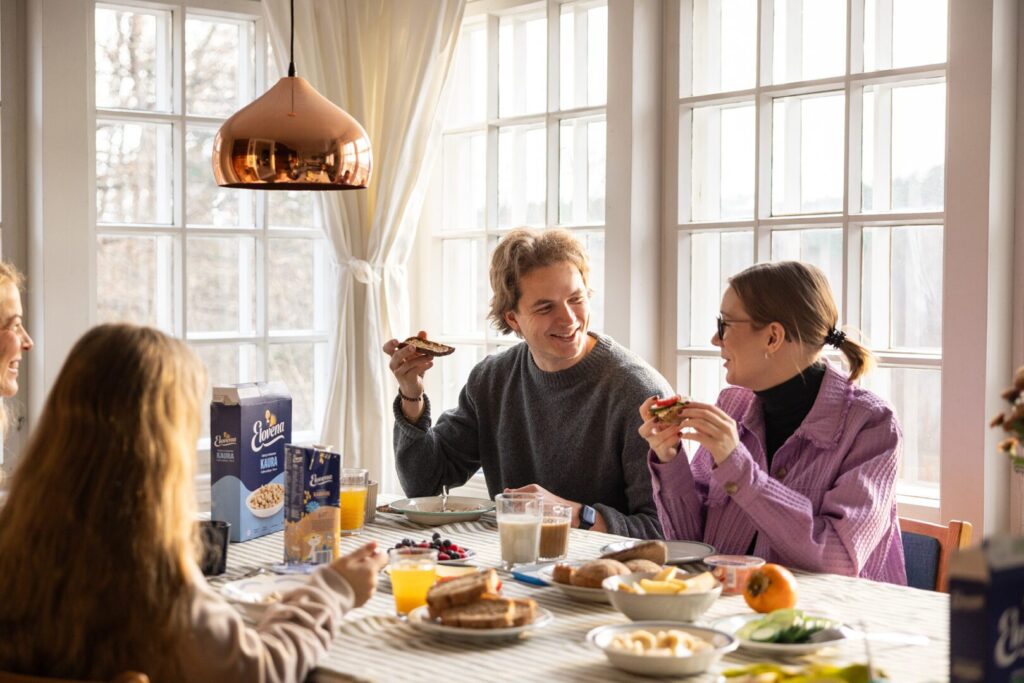
Raisio noted that fibre-rich and functional food ingredients are among the fastest-growing categories in food innovation. “Fibre is becoming one of the most important areas in future food innovation,” said Reetta Andolin, chief innovation officer at the company.
Europeans get only 16-24g of fibre a day, well short of the 25-35g recommended by experts. In Finland, 70% of adults consume too little fibre. But research shows that 38% of Europe’s consumers want to eat more fibre. This is driven by online trends like fibermaxxing and fibrelayering, gut health awareness, and the rise of GLP-1 drugs.
Fibre is key to a healthy gut, which regulates metabolism and hormone levels. It can trigger the body’s natural GLP-1 response, helping manage weight and blood glucose levels, and boosting satiety to make you feel full for longer.
The nutrient also lowers cholesterol levels. And diets rich in fibre have been linked to a lower risk of obesity, type 2 diabetes, stroke, heart disease, and even certain cancers.
Dietary fibre comprises different compounds – soluble, insoluble, and prebiotic fibres – all of which are beneficial for the body. Raisio suggests that fibre solutions must account for quality, not just quantity (speaking to the fibrelayering movement).
To increase intake among consumers, fibre ingredients must be widely applicable to an array of product categories without compromising the taste or texture, and translating scientific breakthroughs into practical applications is therefore crucial.
“We see significant international potential in turning grain side streams into high-value ingredients. This supports both our sustainability targets and our ambition to build new business,” said Andolin.