

EU Pumps $6.3M Into Project Using AI to Grow Cell-Based Cocoa

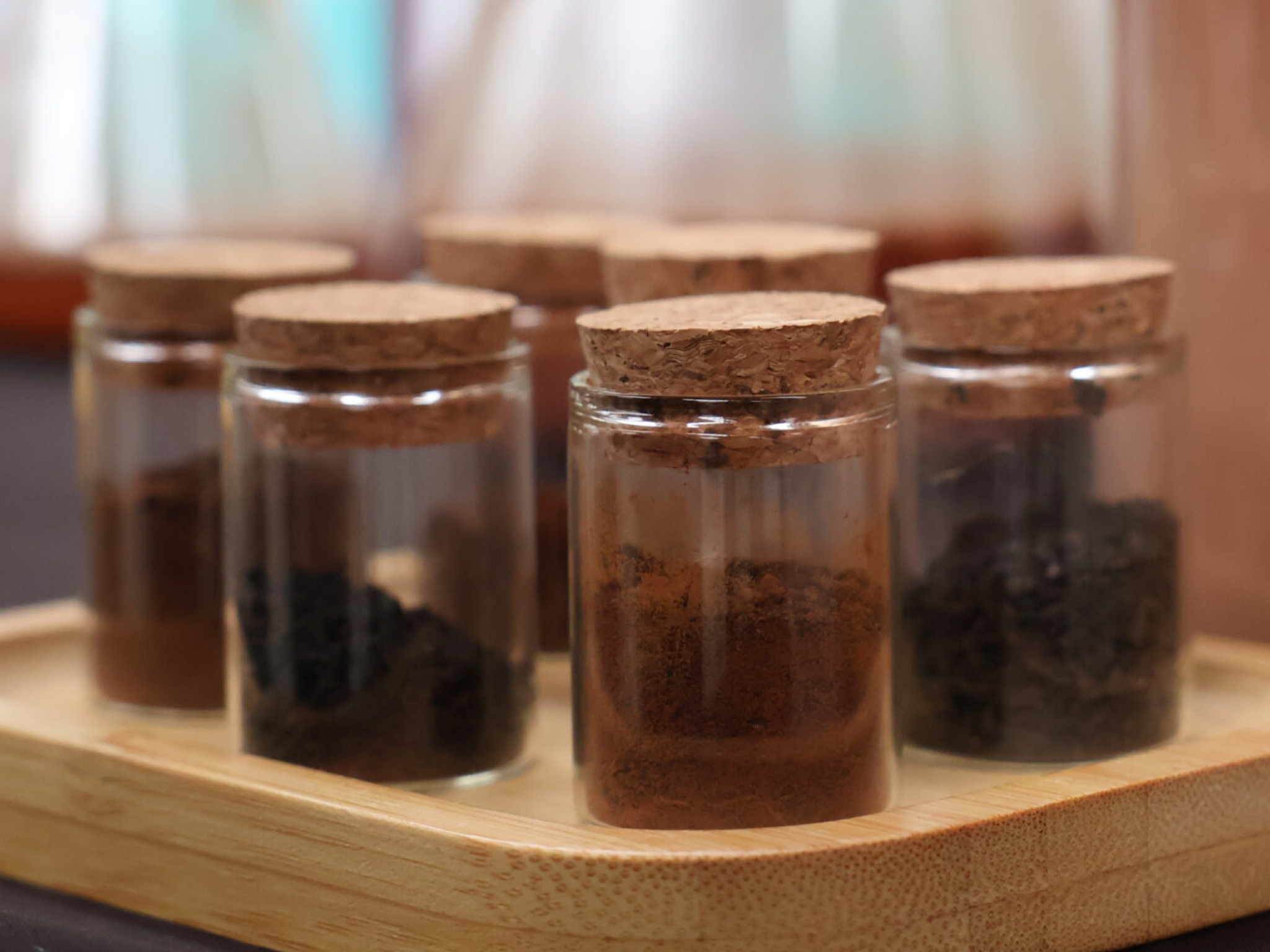
The EU has invested €5.5M ($6.3M) in the Coco-AI project, which aims to use artificial intelligence to develop a plant cell culture platform to grow sustainable cocoa.
As part of its Horizon Europe scheme, the EU is betting on artificial intelligence (AI) and plant cell culture to futureproof the cocoa industry.
It has invested €5.5M ($6.3M) in Coco-AI, a project pairing the two technologies to develop a new platform for the production of high-value ingredients in bioreactors, starting with cocoa. The initiative has been set up with a total investment of €6.3M ($7.2M).
It’s coordinated by Germany’s Fraunhofer IME and brings together nine partners across Europe, Israel, Canada, and South Korea with expertise in plant biology, artificial intelligence, industrial scale-up, food science, sustainability, regulation, consumer research and commercialisation.
“Cocoa sits at the intersection of climate risk, geopolitical fragility, and surging global demand,” said Dario Breitel, CTO of Kokomodo, one of two cell-cultured cocoa startups in the consortium.
“Our platform enables consistent, high-quality cocoa ingredients produced independently of tropical supply chains, helping manufacturers and policymakers strengthen food security and supply resilience as traditional production faces mounting pressure,” he added.
Project will scale up cell-based cocoa to industrial bioreactors

Plant cell culture involves isolating cells from cocoa beans, which are grown in a nutrient-rich liquid in bioreactors. Here, they produce the same natural compounds they would in a cocoa pod without the need to grow an entire plant. Once the cells reach the desired density, the biomass is harvested and can be turned into products like cocoa powder and butter.
Culturing plant cells is a balancing act – it requires the right combination of variables like nutrients, temperature, timing, light, and the cells’ own biology. They collectively generate far more data than any researcher can intuitively analyse.
That’s where AI comes in. Coco-AI will leverage the tech as a research assistant to help scientists identify patterns, understand how growing conditions affect cell performance and prioritise the most promising experiments.
Instead of replacing researchers, the team behind the project suggests that the AI can support better decisions and help accelerate the development of efficient production processes.
Over the course of the four-year project, Coco-AI will grow cocoa cells in the lab and scale them from 50-litre pilot systems to 10,000-litre industrial bioreactors. That effort will be led by the Centre for Process Innovation (CPI), which will carry out techno-economic assessments to evaluate production costs and commercial viability, as well as support life-cycle assessment and regulatory planning.
“Plant cell culture has the potential to transform how high-value natural ingredients are produced, creating manufacturing systems that are more resilient, more sustainable and less dependent on increasingly vulnerable agricultural supply chains,” said Kris Wadrop, managing director of materials at CPI.
“Scientific innovation alone is not enough. For technologies like this to make a real impact, they must be shown to work reliably and economically at commercial scale.
The initiative aims to create six new ingredient formulations from cell-cultured cocoa and other high-value plant species, alongside two prototype chocolate bars.
Moreover, it will develop open-source AI tools, tested methods, and public datasets to help smaller companies and other industries build on the results.
Cocoa just a demonstrator of wider plant cell culture initiative
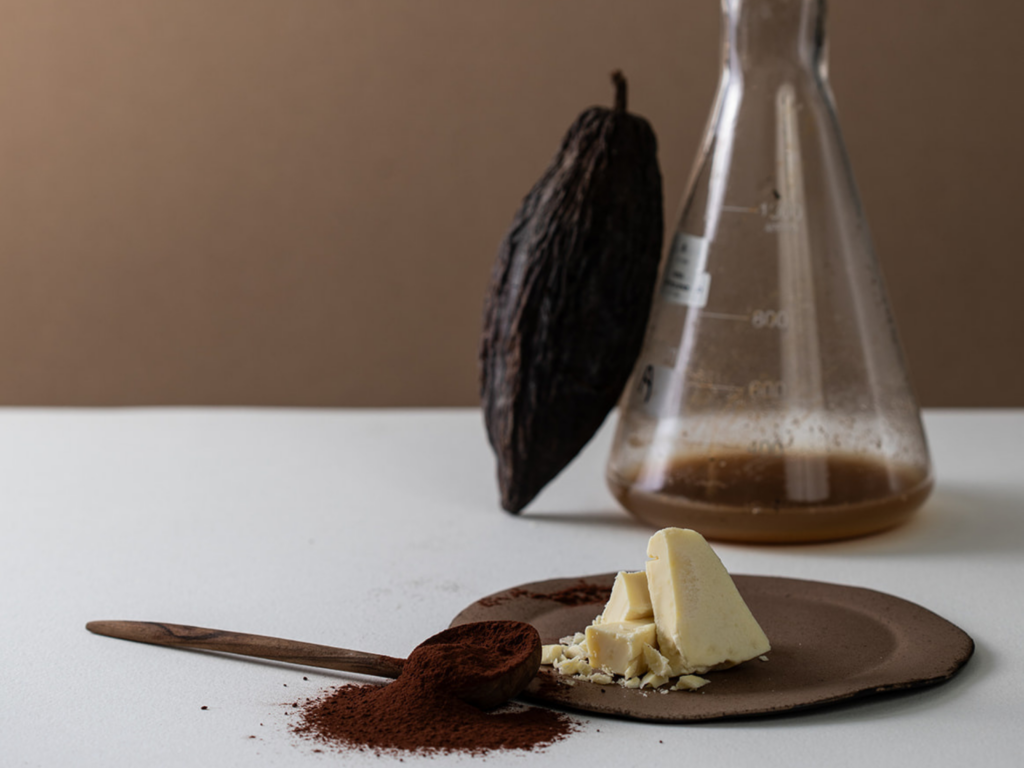
The EU’s effort to decarbonise cocoa comes as climate change wrecks the crop, pushing its stocks to their lowest levels in a decade and prices to all-time highs in 2024.
Extreme weather and crop diseases are hitting plantations hardest in the Ivory Coast and Ghana, the two largest cocoa producers, which have already lost over 85% of their forest cover since 1960. And scientists warn that a third of the world’s cocoa trees could die out by 2050.
Plus, producing chocolate emits more greenhouse gases than any other food except beef, and a single bar of chocolate requires 1,700 litres of water on average.
It’s why a string of industry giants have invested in or partnered with alternative cocoa innovators, including Mondelēz International, which unveiled the world’s first cell-based chocolate bar in collaboration with Celleste Bio, which is also part of the Coco-AI project.
Cargill is developing cultured cocoa solutions with Kokomodo. Barry Callebaut, the world’s largest B2B chocolate supplier, is exploring both cell-based and cocoa-free chocolate. Lindt and Puratos are investors in Switzerland’s Food Brewer, while the latter has backed US firm California Cultured as well.
Cocoa is just the demonstrator for Coco-AI’s platform, which will also test its cell culture tech on eight other plant species, including grapes, oats, and medicinal plants.
“Beyond cocoa, our ambition is to support the growth of the plant cell culture industry as a whole,” said Philippe Jutras, founder of the Plant Cell Institute, the project’s dissemination partner.
The Coco-AI project aims to boost Europe’s biomanufacturing capabilities by reducing dependence on vulnerable supply chains and lowering barriers for companies entering the plant cell culture sector, as well as support Europe’s broader bioeconomy and sustainability goals.
Stefan Rasche, head of the precision fermentation department at Fraunhofer IME, who is co-leading the project: ”By bringing together partners from multiple regions with complementary expertise, COCO-AI is designed to have global impact well beyond cocoa alone.”