

Cremer’s FermBase & Differential Bio Team Up to Develop AI-Led Fermentation Solutions

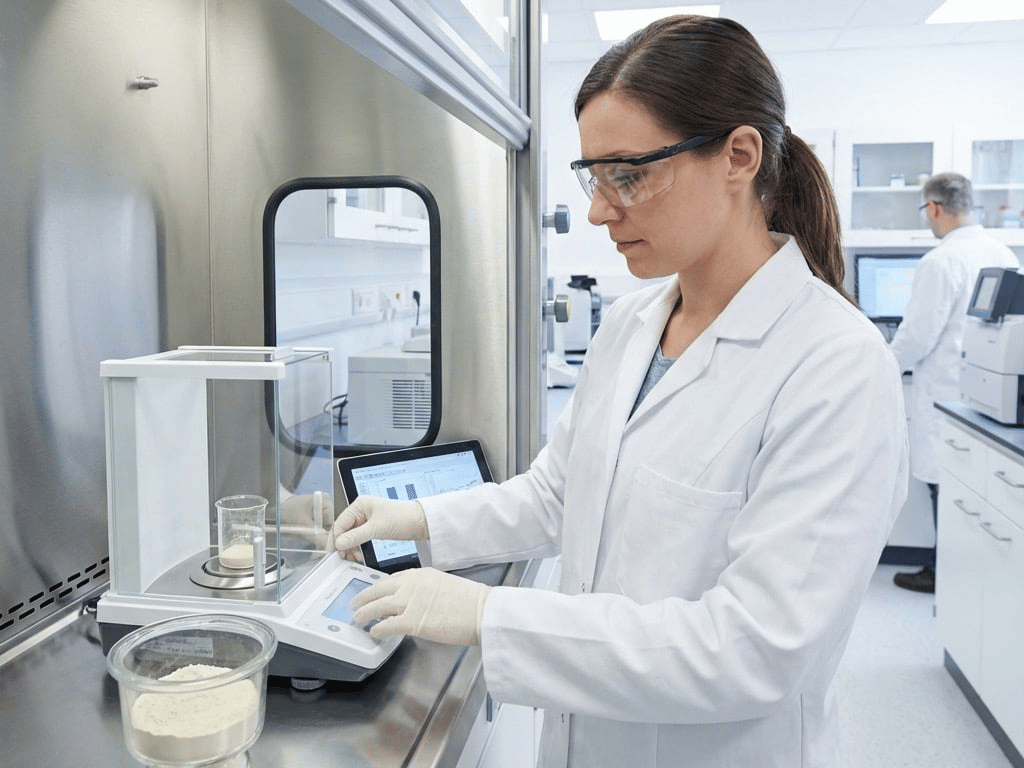
Cremer Group’s FermBase platform has extended its collaboration with Differential Bio to provide AI-led process and material solutions for novel fermentation players.
A month after launching high-performing yeast blends for next-gen fermentation startups, German agrifood giant Cremer Group’s FermBase platform is now expanding its offerings via a strategic collaboration with Munich-based Differential Bio.
The companies have already been working together on artificial-intelligence-assisted (AI) biotech product development, jointly creating the standardised trace element yeast blends.
They’re now extending their partnership to provide fermentation companies with even more comprehensive support, from early-stage development through to industrial scale-up, leveraging technologies like AI, automation and data analysis.
“Throughout Cremer’s history, we have grown whenever we were willing to rethink our existing business and identify new opportunities at an early stage,” said Cremer CEO Christian Flach.
“With Differential Bio, we have found a partner that is taking entirely new approaches to raw material development with the help of artificial intelligence and robotics and brings outstanding expertise in this field.”
Pairing supply chain expertise with AI and automation
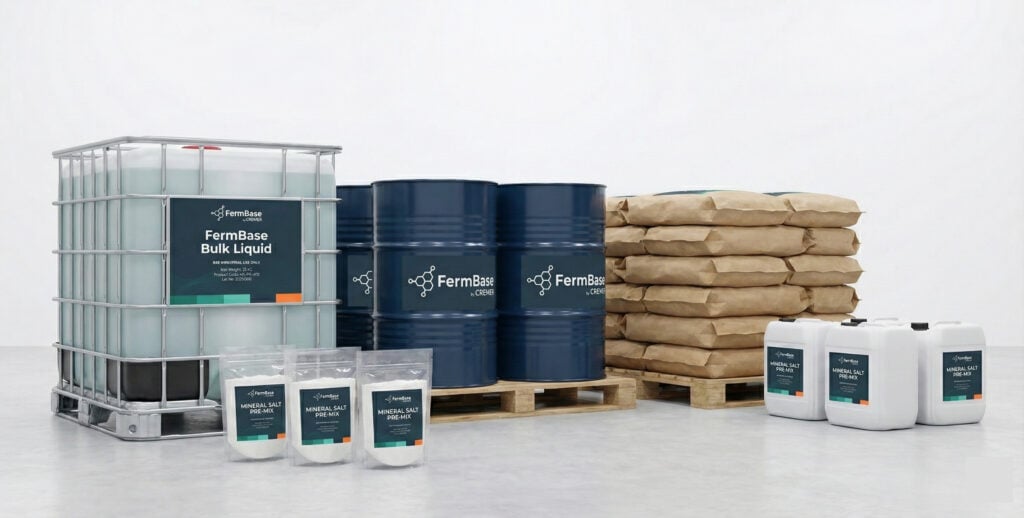
FermBase, launched in February this year, is described as a “competence centre and one-stop shop” for fermentation media, serving applications in the food, feed, cosmetics, and industrial sectors.
It offers carbon and nitrogen sources, mineral salts, trace elements, tailor-made solutions and standardised blends, combining feedstock access with globally scalable, resilient supply chains to help companies focus on research and growth.
Differential Bio, a Technical University of Munich spinout, emerged from stealth mode with €2M ($2.2M) in pre-seed funding last year. It has developed a Virtual Scale-Up platform for biomanufacturing firms, combining AI, automated lab and fermentation processes, data-driven analysis, and machine learning to accelerate and optimise biotech processes.
Together, the two firms developed the trace element blend for yeast fermentation, called Y-Base Blend. They analysed more than 50,000 possible trace element combinations, which were initially narrowed down to 3,300 experiments carried out with different yeast strains. The final blend for use in bioreactors was selected from nine high-performing formulations at microlitre scale.
Differential Bio contributed its expertise in automation and data-driven process development, and Cremer brought in its know-how across the raw material and supply chains. Now, though, the companies are expanding their fermentation offerings with solutions that “go far beyond” the provision of raw materials alone.
Differential Bio collab part of Cremer’s long-term business model
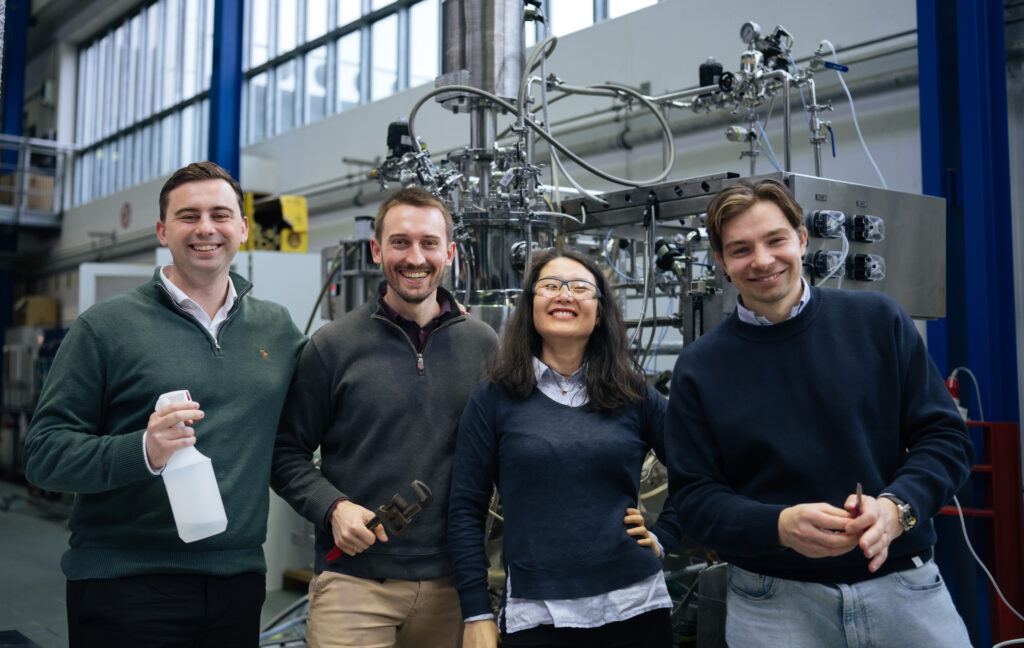
“With Differential Bio, we are advancing the transition towards bio-based production: our robotic laboratory automation generates targeted data for AI applications, while our software and AI solutions enable data-driven process development,” said Differential Bio CEO Christian Spier.
“Together with Cremer, we can develop faster and support the fermentation industry in making processes more efficient and scaling them more successfully.”
In their partnership, FermBase will serve as the central point of contact for the fermentation industry, bringing together Cremer’s expertise in raw materials, product solutions, and scalable supply chains, while Differential Bio will complement these capabilities with automated development processes, data analysis, and AI-supported optimisation.
For Cremer, the collaboration is part of the long-term development of its business model – in addition to providing access to raw materials and ensuring reliable supply, it plans to offer more tech-led and data-based services in the future.
“For us, this partnership is therefore not only another step forward for FermBase, but also an example of how we continuously develop Cremer through innovation and strong partnerships,” said Flach.
The company has long been involved in planet-friendly nutrition solutions. Its Cremer Sustainable Foods division, for instance, operates a 1,000 sq m facility for alternative proteins, which can produce 1,300 tonnes of product per year.