

Exclusive: Galy Expands Cell Culture Tech to Cocoa with US Launch of WunderHaus Chocolate Brand

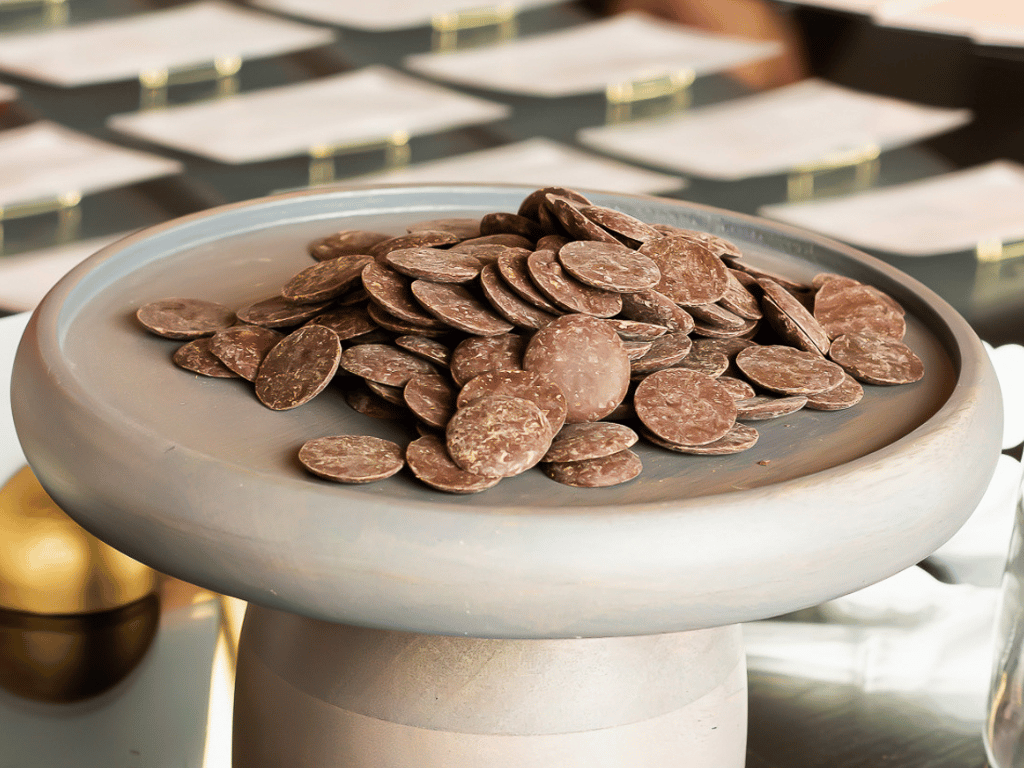
US biotech startup Galy, which made its name with lab-grown cotton, has entered the cell-cultured cocoa space with WunderHaus, a chocolate brand set to launch stateside this week, with a UAE rollout targeted for 2027.
Backed by the likes of Bill Gates and Sam Altman, Boston-based Galy is best known for its work on decarbonising the cotton industry with a lab-grown version.
A couple of years ago, chocolate companies struggling with the effects of the climate crisis began approaching the startup to ask whether its plant cell culture technology could produce cocoa too.
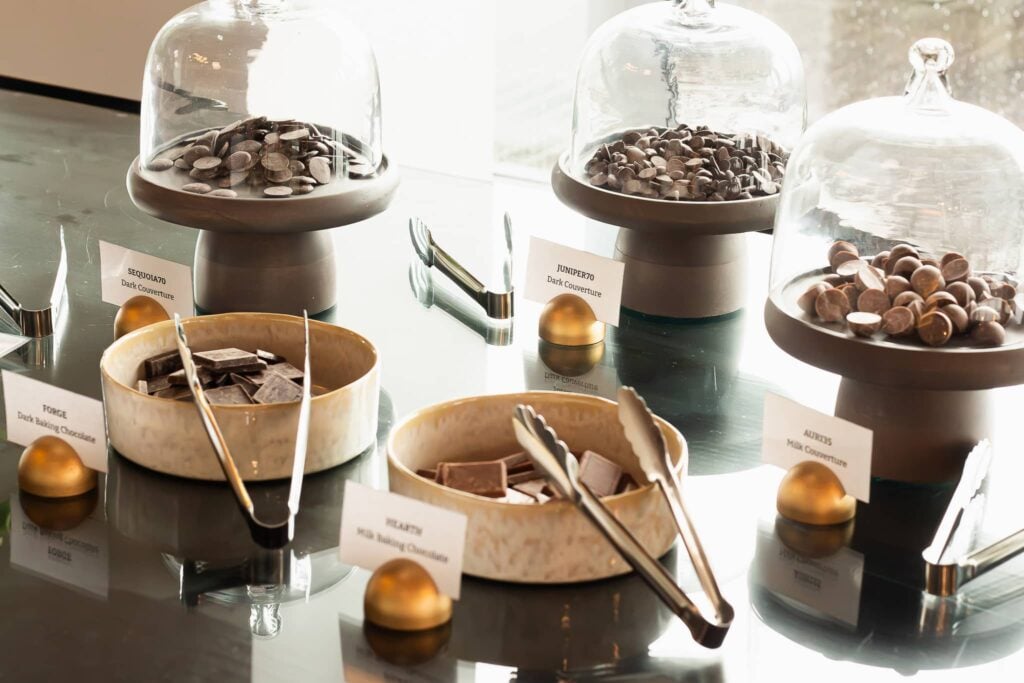
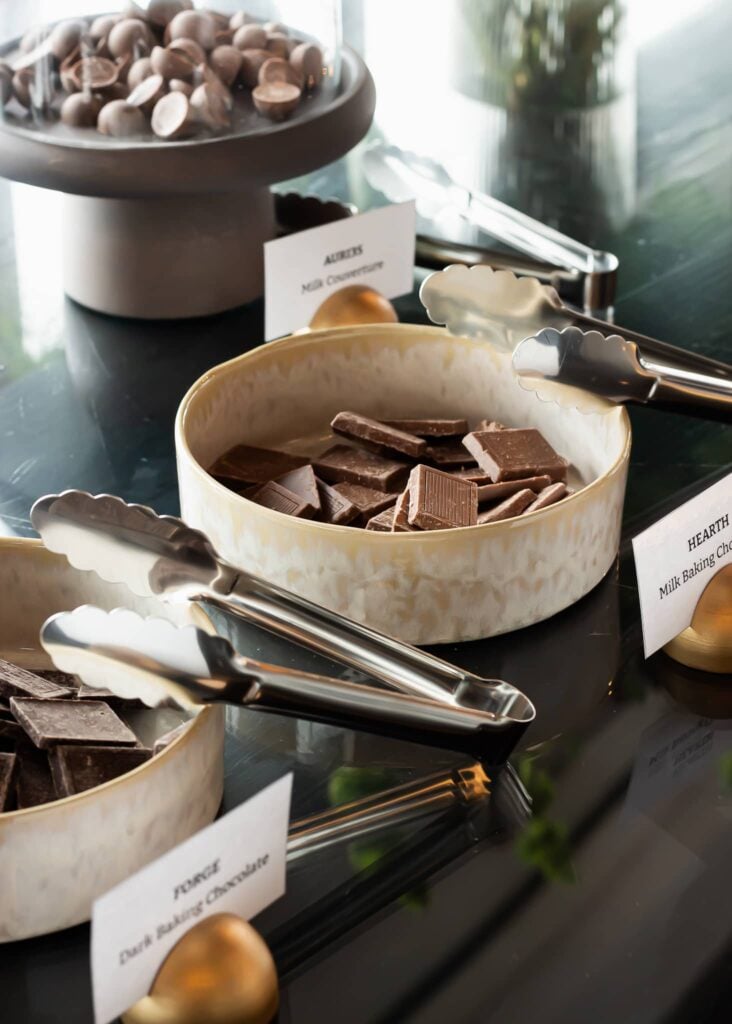
Fast forward to today, and Galy has launched WunderHaus, a cell-based chocolate brand for professional kitchens. It has already self-affirmed its cocoa powder as Generally Recognized as Safe (GRAS) in the US, and notified the Food and Drug Administration (FDA) of its assessment in pursuit of a ‘no questions’ letter.
The firm will launch its ingredient in a hybrid format at Boston eatery Troquet on South this week, providing an early commercial setting for the cell-based chocolate and a starting point for its foodservice rollout. Additional restaurants and hotels are testing the innovation with an eye on their winter menus.
“Our immediate commercial focus is WunderHaus chocolate for professional kitchens, including couverture and baking chocolate. We work with chefs, bakers, pastry chefs and chocolatiers to develop products they can use in everyday service,” Galy co-founder and CEO Luciano Bueno tells Green Queen.
“Our current products combine Galy cocoa with conventionally sourced cocoa ingredients as part of our approach to building a scalable, resilient supply chain in collaboration with cocoa producers. For chefs, the conversation starts with the chocolate itself: its flavour, workability and what they can create with it.”
Outside the US, Galy has submitted an application to the Abu Dhabi Agriculture and Food Safety Authority (ADAFSA) in its quest for a 2027 launch in the UAE. “For 2027-28, we are also considering pursuing EU novel food authorisation, which would involve the European Food Safety Authority’s safety assessment,” says Bueno.
Cocoa-free chocolate scaled up to commercial scale in under a year
Founded in 2019 by Bueno and CSO Paula Elbl, Galy deploys plant cell culture technology – which involves growing plant cells in bioreactors instead of soil – to reproduce high-carbon, climate-stressed agricultural commodities. It began with cotton, a $44B industry mired in environmental troubles with a striking human rights record.
It’s now tackling a similarly challenged industry in cocoa. In 2024, global cocoa stocks fell to a decade low, and its prices hit an all-time high. Extreme weather events are wiping out harvests in key producer regions and pushing a third of the world’s cocoa trees towards extinction.
There’s a causal relationship here. Dark chocolate production itself generates more emissions than all other foods bar beef, and the cocoa industry is directly responsible for 94% and 80% of deforestation in Ghana and the Ivory Coast, the two largest producers of the crop.
And with a “super” El Niño set to raise temperatures to extreme levels through to the end of 2027, chocolate manufacturers are hunting for alternatives. Barry Callebaut, the industry’s largest producer, is predicting a price hike of several thousand dollars per tonne of cocoa beans. And Mondelēz International is reporting a 25% hit on profits due to rising cocoa costs.
“We began the exploration of the platform to other products (crops) very early in Galy’s trajectory, but we decided to put more effort into cocoa since 2025 and, in less than one year, were able to bring [it] from lab to commercial scale,” says Bueno. “This demonstrated something important about Galy: the platform we first developed for cotton could also be applied to other products. Cocoa became a tangible example of that potential.”
The company begins with a small piece of a cocoa bean and multiplies its cells in brewery-style tanks. “The harvested material is then fermented and roasted outside the growth tanks and ground into cocoa powder, providing cocoa solids for our chocolate,” explains Bueno.
“Our Massachusetts production footprint includes Essex, where we have repurposed existing infrastructure for cocoa production. This allows us to grow cocoa without cultivating an entire tree. With this, our production is independent of climate, geography, farmland, and field-harvest cycles.”
Galy exploring partnerships with cocoa farmers in Africa and Latin America
Several startups are using plant cell culture to produce cocoa, including Food Brewer, Kokomodo, California Cultured, and Celleste Bio. Even Barry Callebaut is exploring this technology.
Galy is positioning WunderHaus as a premium chocolate, pricing it comparably to conventional products in that segment. “By controlling our cultured cocoa production process, we can plan production more predictably and reduce exposure to harvest-driven variability for that ingredient. This creates a foundation for more stable pricing and longer-term customer agreements,” says Bueno.
The company has not completed a life-cycle assessment for its cocoa yet, and analysis has shown that its lab-grown cotton needs 99% less water, occupies 97% less land, and emits 77% less CO2.
“With approximately 80% of the process shared, our preliminary internal estimates suggest potential resource-use reductions of [around] 80% or more versus field-based production. However, these estimates still require cocoa-specific validation and could be even higher,” says Bueno.
Speaking of cotton, this remains part of Galy’s platform, though its path to commercialisation is longer because the tech complexity is different. “Our work continues to focus on the scientific and technical development needed to translate cotton-cell research into materials with reproducible performance. Our commercial agreements with our partners and some confidential agreements are being signed,” he says.
“We are currently prioritising cocoa commercialisation. That milestone demonstrates how we are building a business around the platform, while recognising that each product and application has its own development requirements and timeline.”
By adopting a hybrid model and combining its cell-cultured ingredient with conventional cocoa, Galy is aiming to build a scalable supply model alongside established producers. It intends to complement cocoa farming and create additional ways for the industry to generate demand.
It’s why the startup is exploring partnerships with cocoa growers in Africa and Latin America, eyeing the potential to support a broad range of cocoa varieties and flavour profiles.
Why Galy is targeting the UAE as its next market
Galy’s market entry in the UAE is being underpinned by an initial purchase order from a Dubai-based chocolatier and engagement with chefs in hotels and high-end restaurants. Its chocolate has already featured in desserts at the Annual Meeting of Global Future Leaders 2026 organised by the Emirati government and the World Economic Forum.
“The UAE brings together a vibrant culinary community and a strong focus on food security. War and other disruptions to global supply chains have underscored the importance of diversifying how and where food is produced,” says Bueno.
“We see our platform as an additional production model that could help strengthen local supply resilience alongside conventional agriculture. Our opportunity has also developed through direct chef engagement: chefs from hotels and high-end restaurants have tasted WunderHaus chocolate, and initial purchase orders in the region provide an early commercial signal.
“Our planned 2027 entry will follow the same chef-focused approach as our US launch, bringing chocolate to professional kitchens while building customer relationships and expanding supply, subject to regulatory and operational readiness.”
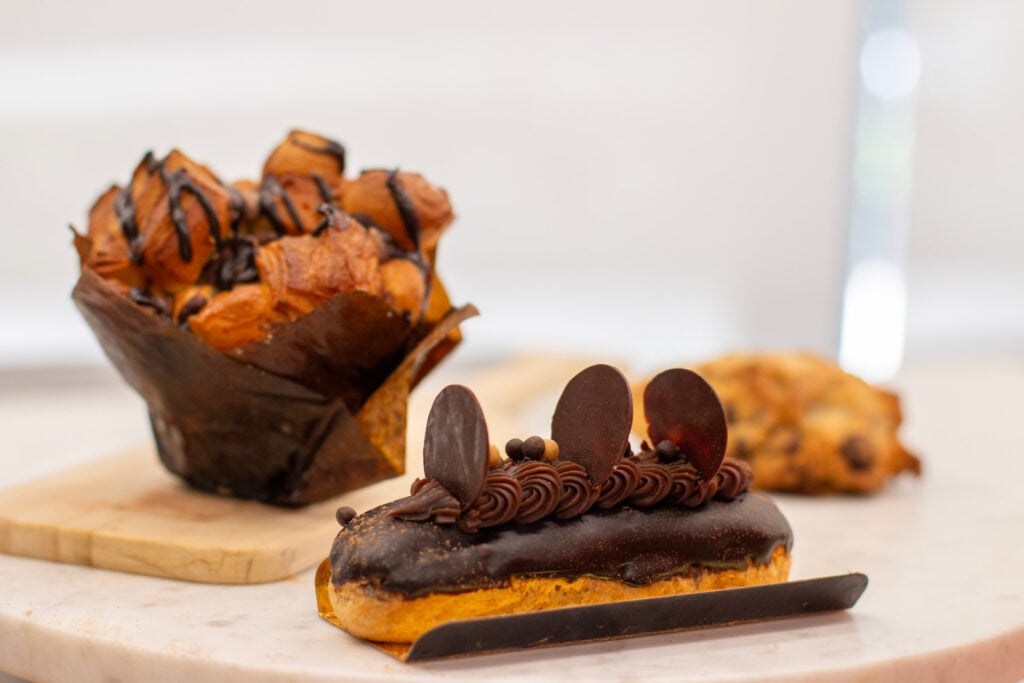
In its home country, Troquet on South chef Aaron Lhamon will showcase its cell-based chocolate’s versatility through a $250, three-course menu featuring a mille-feuille, stuffed quail, malted espresso tart, and wine pairings.
“It’s such a flavourful chocolate. It’s floral, and you pick up on cherry and plum notes,” says Lhamon. “Game birds can hold up to that, and the chocolate can also accent a dried cherry compote. You can mount a jus with the 70% chocolate instead of butter. It gives you a richer mouthfeel without overpowering the flavours that are there, and you don’t lose the nuances of the chocolate.”
Galy has no retail plans for WunderHaus yet, with foodservice its immediate commercial focus, enabling chefs to introduce the chocolate to diners through their own creations.
“[Troquet on South] placed one of WunderHaus’s first purchase orders and has fully equipped its kitchen with WunderHaus chocolate. For us, that is a meaningful milestone: a chef choosing our chocolate for everyday service because of his genuine experience with its flavour and performance,” Bueno says.
“Beyond Troquet, restaurants, hotels and professional kitchens are testing WunderHaus chocolate and exploring how to use it in their menus. We look forward to announcing further collaborations together with those partners.”