

No Cow Updates Plant-Based Protein Bars with Fibre Focus & Improved Texture

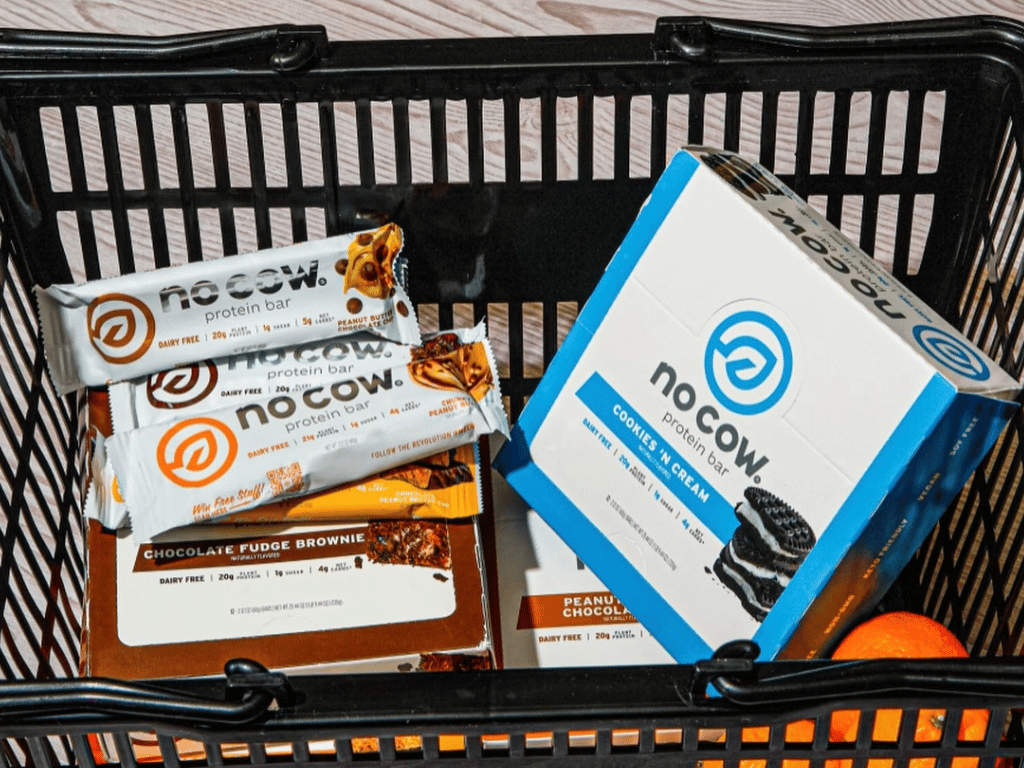
US startup No Cow has reformulated its plant-based protein bars to enhance the taste and texture, while going “beyond the protein” to focus on the high fibre and low sugar content.
No Cow, the maker of one of the first modern-day vegan protein bars, has revamped its lineup with a new equation:
“Protein + Fibre + Plant – Sugar – Whey = No Cow”
The Denver-based startup says it’s going “beyond the protein” to deliver a better sensory experience and highlight the high-fibre and low-sugar credentials of its plant-based bars, a move that fits neatly into the GLP-1 era.
No Cow’s reformulated bars are said to have an improved recipe that delivers superior taste and texture, which may convince protein-hungry Americans who have been put off by the chalky options of yesteryear.
No Cow’s new equation follows lawsuit settlement
Founded in 2015 as D’s Naturals by Daniel Katz, No Cow is among the original plant-based protein bar brands in the US, having built a following across the fitness segment and the natural and specialty food space.
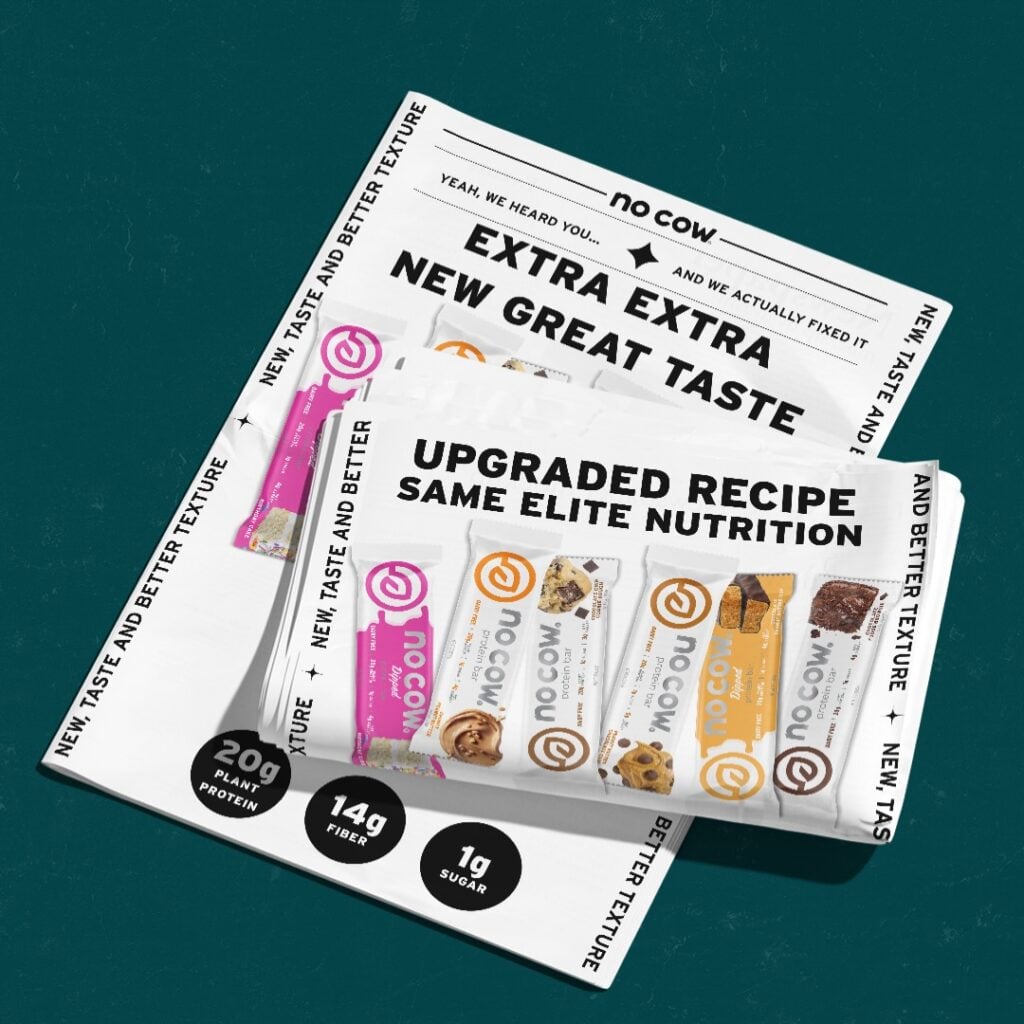
Its products are made from a base of pea and brown rice protein, a combination designed to deliver all nine essential amino acids. The 60g bars have at least 20g of protein and 14-17g of fibre, with many of the varieties containing just 1g of sugar.
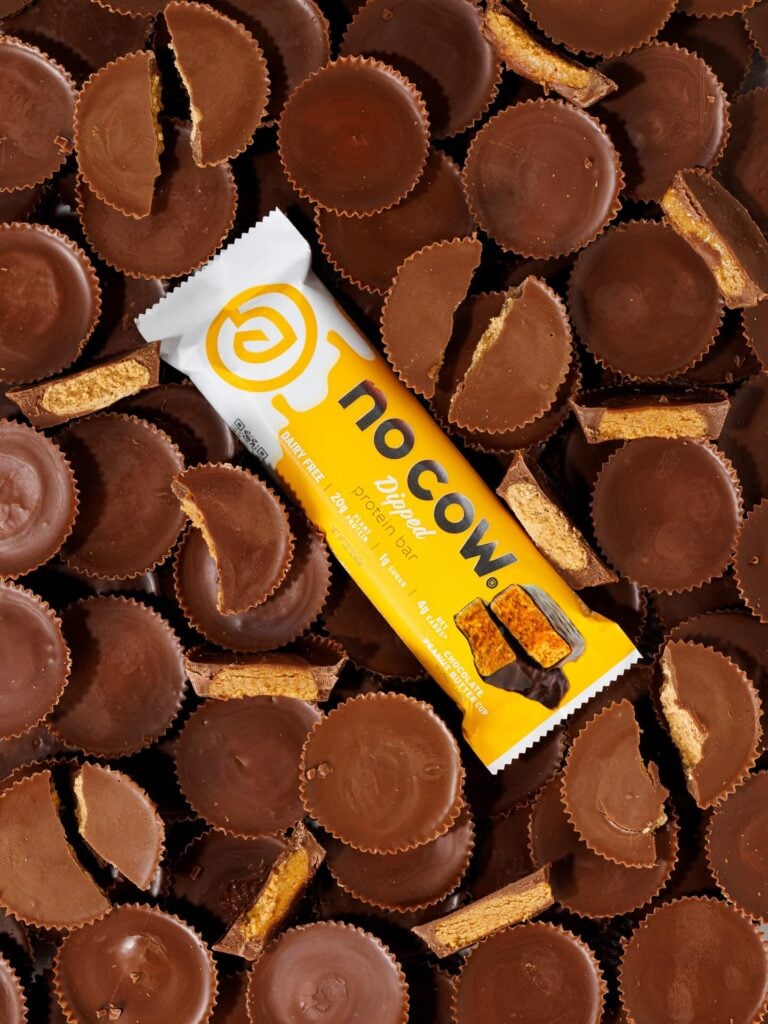
No Cow has a wide-ranging flavour lineup, spanning peanut butter cup, chocolate chip cookie dough, chocolate fudge brownie, birthday cake, cookies and cream, peanut butter chocolate chip chunky peanut butter, chocolate-salted caramel, and key lime pie.
“No Cow has always had a very simple idea behind it: give people serious protein and fibre without whey, dairy or a lot of sugar, and make it something they actually want to eat,” said CEO Keith Bearden.
The company did hit a roadblock in 2024, when it was sued by the Environmental Research Center after it allegedly found 10 of its flavours contained lead, and eight also had traces of toxic “forever chemicals”. The lawsuit was settled in 2025, with No Cow agreeing to pay a $300,000 civil penalty and accepting a permanent injunction around California product limits.
Protein no longer ‘the whole story’
The firm insisted that protein is no longer “the whole story” – fibre, ingredient labels, sugar content, taste, and satiety all matter. “The protein bar category has changed a lot since No Cow first launched, but the equation still makes sense. In many ways, the market has finally caught up with what No Cow was doing,” said Bearden.
Nearly three in five (57%) Americans are prioritising protein this year. Most of them are fibre-deficient, too, a dietary gap that online trends like fibermaxxing are looking to fill.
The boom in GLP-1 drugs has accelerated this demand. According to Innova Market Insights, the share of Americans who have used a weight-loss medication rose from 10% in 2024 to 18% in 2025, and these consumers are eating 40% more protein and 30% more fibre.
Separate research shows that 39% of Americans regularly consume protein bars, whose household purchases increased by 5% between 2021 and 2025. And though just 15% trust protein bars, compared to 58% who said the same for meat snacks, when asked what’s healthier, 31% said the former and 24% said the latter.
No Cow is part of a crowded category – Trubar, Aloha, Misfits, Bareballs, Mezcla, and Mid Day Squares all sell plant protein bars – that needs to answer its critics on both taste and nutrition. It will hope that its rejigged recipe and focus help its products set the bar.