

Sustainable Restaurant Association Adds 30% Plant-Based Criteria to Food Made Good Standard


The Sustainable Restaurant Association has updated its global Food Made Good standard to include, among other changes, a provision ensuring at least 30% plant-based menus at eateries.
Restaurants must set time-bound policies to make a significant portion of their menus plant-based to meet the industry’s leading sustainability standard.
UK-based Sustainable Restaurant Association (SRA) has updated its Food Made Good standard, which certifies over 15,000 hotels, restaurants and foodservice establishments across the world for eco-friendly practices.
In the 2027 edition, the organisation has set out clear criteria on plant-based and animal protein sourcing standards, including having at least 30% of menu items be plant-based.
“Over the past year, the SRA has brought together experts from around the world and across a wide range of disciplines to challenge and sharpen the Food Made Good framework, so it reflects what is happening on the ground and what businesses need to act on next,” said SRA CEO Juliane Caillouette Noble.
“Our role is to turn that insight into something businesses can use: asking the right questions and giving them locally relevant actions they can take, whatever their model or size. That is how individual actions build collective influence and, ultimately, much wider change.”
Food Made Good standard calls on restaurants to have time-bound plant-based goals
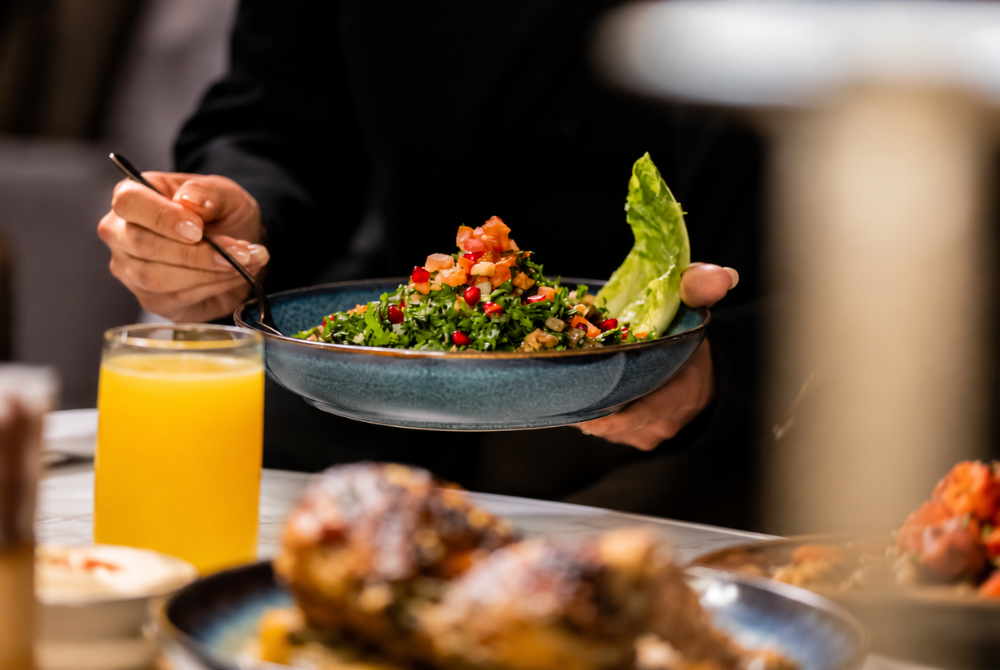
The Food Made Good standard evaluates foodservice businesses across three pillars – sourcing, society and environment – covering 10 framework areas and an additional communications section. Foodservice operators use this to measure and improve their green credentials.
Set for a full rollout in January 2027, the standard states that seafood and poultry must be sourced from producers that meet the Model Seafood Welfare Standard and the Better Chicken Commitment, respectively, while eggs should be cage-free and pork crate-free.
In terms of plant proteins, businesses seeking SRA certification must confirm whether they have a written, time-bound policy to make at least 30% of their menus fully plant-based. This is in response to research that shows these foods are associated with a far smaller impact on water consumption, land use, and greenhouse gas emissions.
Food sourcing or procurement accounts for 80-95% of a restaurant’s scope 3 emissions (which form the majority of a food business’s climate impact). A typical hotel meal, meanwhile, produces three times higher emissions than a home-cooked counterpart. And animal-derived ingredients alone contribute to 70% of these food sourcing emissions in this sector.
“The choices foodservice businesses make every day reach far beyond their own operations. They inform global supply chains, influence how food is grown, caught and produced, affect the people who work throughout those systems and determine the impact on the natural world,” Noble said.
“Expectations of the sector are changing, too, from voices redefining luxury around the protection of hyper-local food heritage to large-scale operators setting much higher baselines for what it means to look after their teams. And where businesses are challenging convention and pioneering better ways of working, the standard needs to recognise that progress, too.”
Foodservice certification bodies increasingly highlight plant-based menus
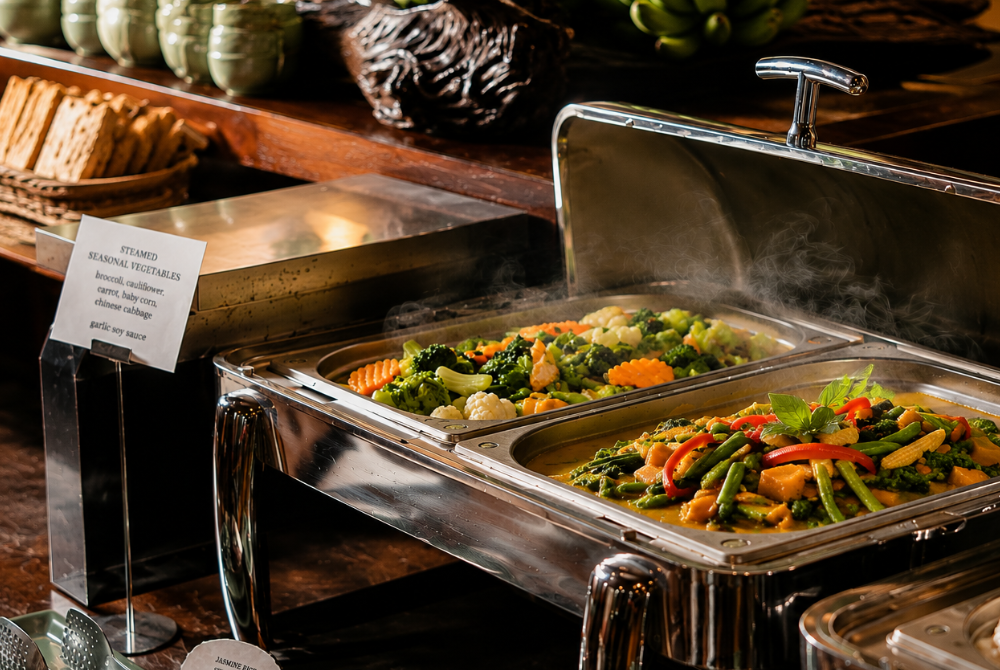
Ribbin Nichapa, corporate engagement manager at Lever Foundation, which has worked with several organisations to set similar standards, called the 2027 update to the standard a “meaningful step forward” for the industry.
“The new criteria on plant-based foods and on the welfare of farmed and aquatic animals reflect the direction the industry needs to move in,” she said. “We look forward to continuing to work with hotels, caterers, restaurants and other food sector operators to help them meet and exceed these benchmarks.”
The SRA’s new standard follows the World Sustainability Organization’s update to its global certification schemes, Friend of the Earth and Friend of the Sea, which also ask restaurants, cafés, caterers and hotels to make 30% of their menus plant-based and move towards higher-welfare standards for animal proteins.
The Global Sustainable Tourism Council, which is backed by the UN Environment Programme and World Tourism Organization, has also published a benchmark requiring restaurants and foodservice operators to meet that same 30% threshold (although businesses will only be able to apply two years from now, and the criteria for hotel restaurants remain unclear).
And last year, the World Sustainable Hospitality Alliance partnered with US non-profit Vegan Hospitality to help its member hotels (which include the top 11 chains) expand plant-based dining solutions and meet its goals to cut industry emissions by 30% by 2030.