

Äio Eyes 2025 Cosmetics Launch for Yeast-Based Palm Oil Substitute After Production Milestone

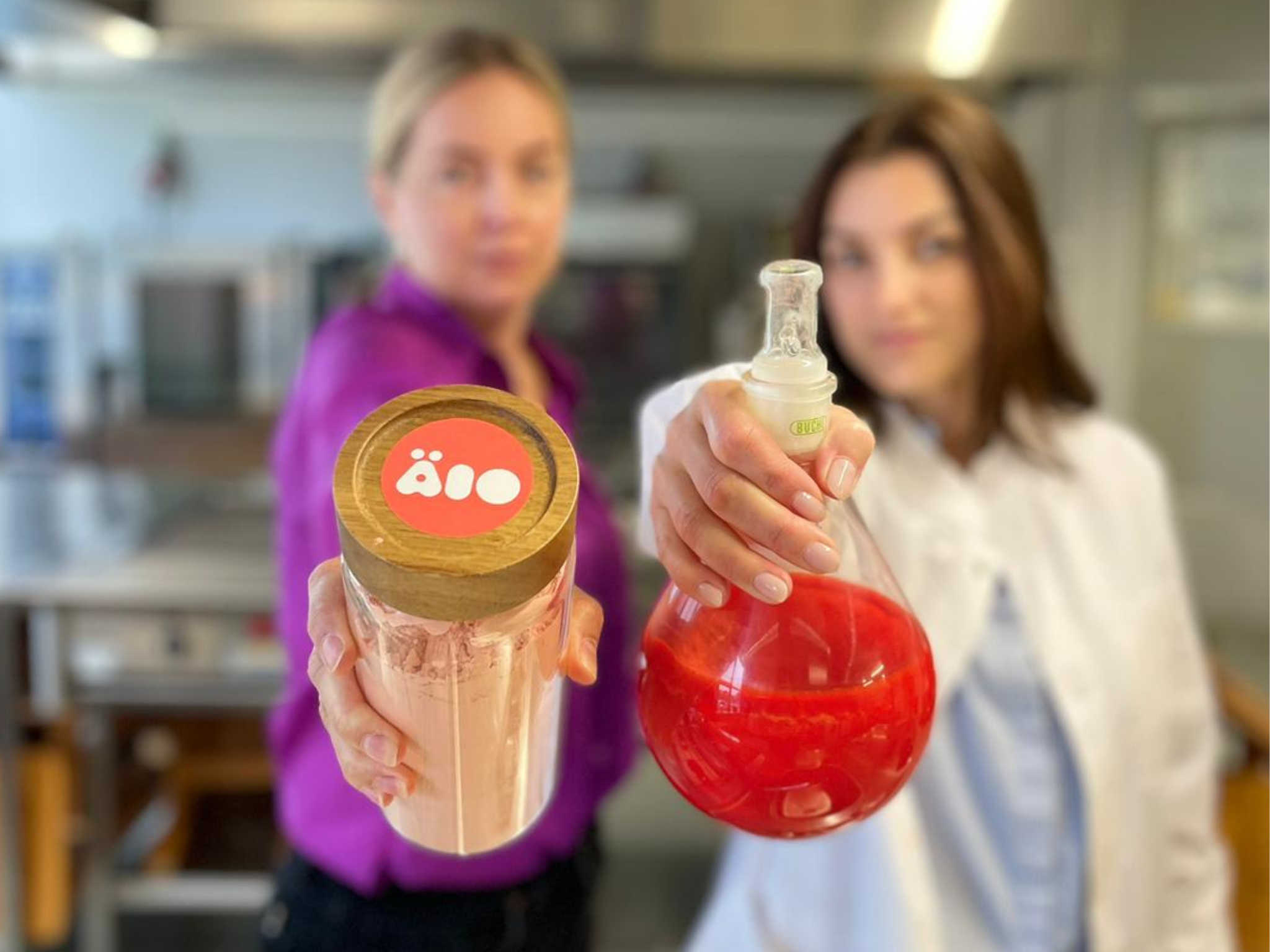
Estonian startup Äio has produced the first tonne of its yeast-derived palm oil alternative and plans to roll out its first cosmetic ingredient by year-end.
Taking a big step towards commercialisation, Tallinn-based biotech firm Äio has completed a one-tonne production cycle of its sustainable alternative to tropical fats like palm and coconut oil and petroleum-based mineral oils.
The startup uses yeast to turn byproducts from the wood and agricultural industries, like sugars extracted from sawdust, into fats via fermentation. Its first full-scale production run of Encapsulated Oil, Äio’s fat substitute for food and cosmetics, represents a 300-fold increase from its lab capacity.
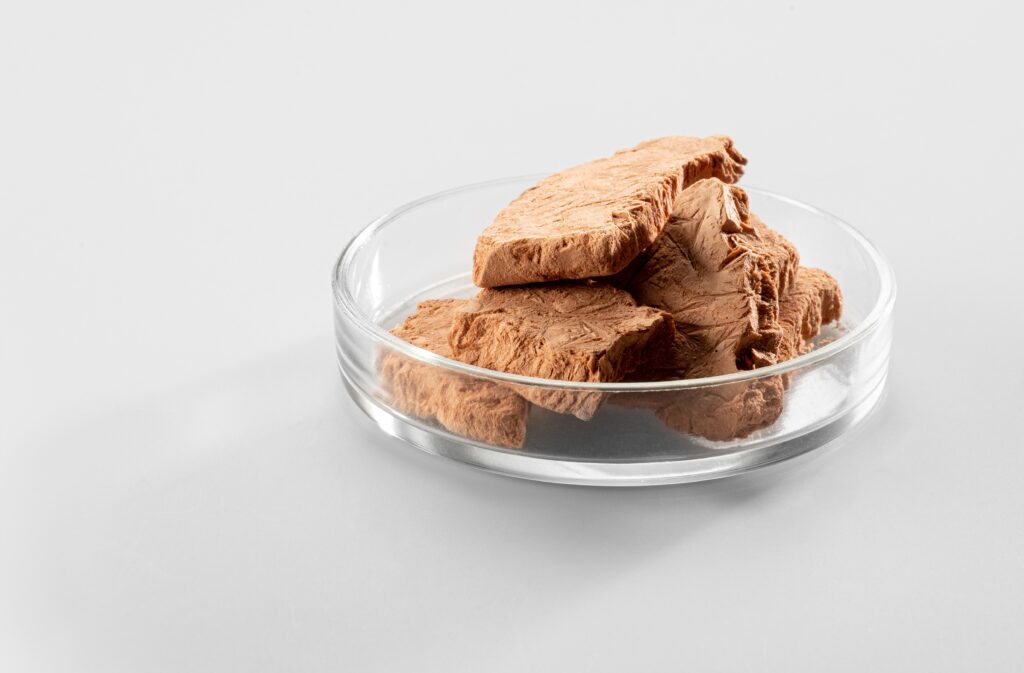
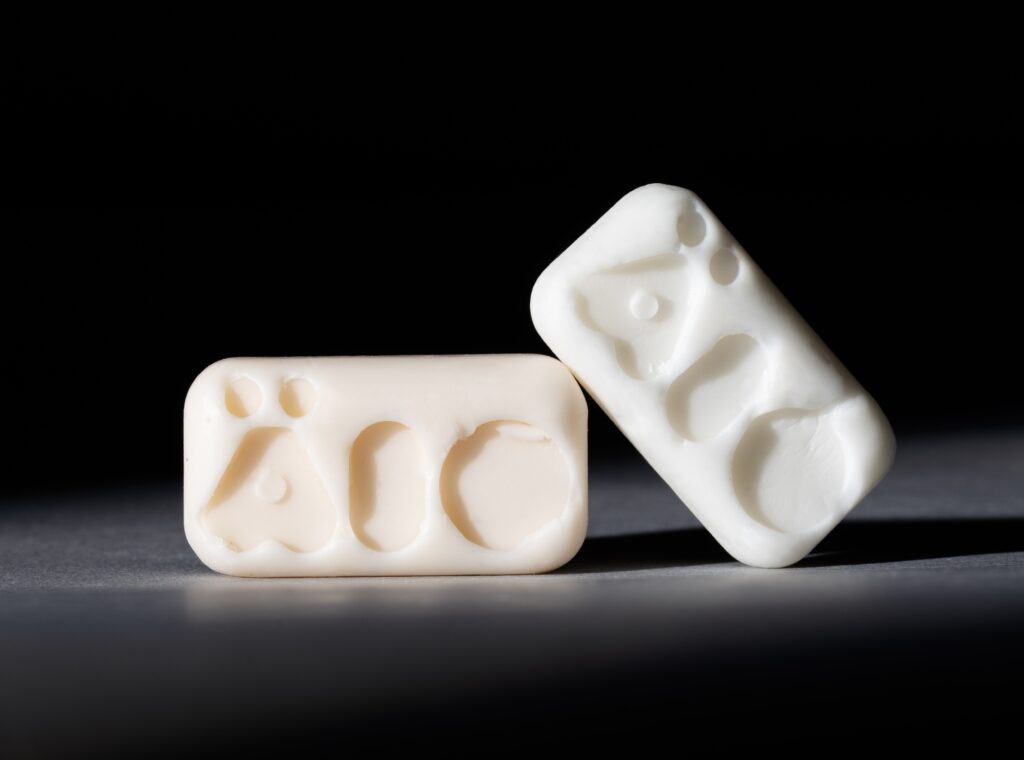
High in protein, fibre and functional lipids, Encapsulated Oil can be used in plant-based patties, baked goods and confectionery products. In cosmetics formulations, it offers nourishing properties with additional bioactive benefits, acting as a natural alternative to mineral oils that can harm both the skin and the environment.
The company is targeting the cosmetics industry as its initial path into the market, having already been in talks with personal care firms to use its ingredients in various formulations.
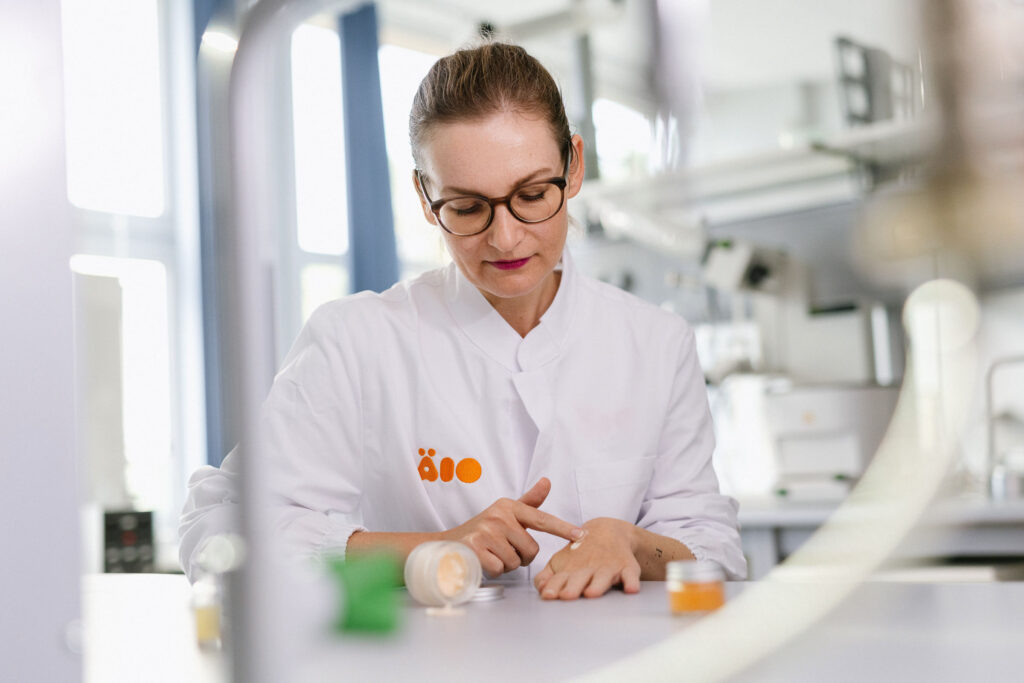
“Our first market launch will be with ZymaLipid Complex, which combines innovation, texture and multifunctional performance. It’s the perfect ingredient to showcase what our fermentation-derived oils can deliver to cosmetic products,” Magdalena Koziol, Äio’s head of cosmetics development, tells Green Queen.
The ingredient is designed as a substitute for palm, coconut and soybean oils, and acts as a texture enhancer and co-emulsifier.
“We’re currently preparing regulatory filings for our first cosmetic ingredient in Europe, where the regulatory framework is very clear but also among the strictest in the world. In parallel, we’re mapping the US process, so we can move quickly there, along with South America and Asia,” she adds.
“We aim to launch our first cosmetic ingredient by late 2025, initially through B2B collaborations with selected brands,” says co-founder and CEO Nemailla Bonturi. “Food applications will follow post-regulatory approval.”
Äio plans to operate commercial-scale plant by 2028
Built on research conducted by Bonturi and co-founder Petri-Jaan Lahtvee, Äio spun off from the Tallinn University of Technology in 2022. It leverages biomass and precision fermentation to turn industry byproducts into nutrient-rich fats with a proprietary ‘red yeast’ microbe, with the whole process requiring 97% less land and 90% less water than palm oil production, and being 10 times faster.
Aside from Encapsulated Oil and ZymaLipid Complex, Äio has also developed RedOil, which has a deep red hue and can be swapped for fish oil and seed oils.
“We are scaling up all three of our products – RedOil, ZymaLipid Complex, and Encapsulated Oil,” says Bonturi. “RedOil and ZymaLipid Complex are currently gaining the most traction in cosmetics due to their texture, high performance and additional bioactive properties.”
The one-tonne production run was completed between late 2025 and mid-2025, and is a marker of the startup’s potential scalability. “We have already reduced our unit costs by 80% in the last years, through scale and optimisation, and we expect to continue with a similar cost reduction curve for the foreseeable years,” says CFO Martin Mets.
He continues: “The one-tonne milestone highlights the great progress our team has made in realising fermentation technology that is a feasible and cost-competitive alternative to current unsustainable sources.”
Bonturi says the first tonne “supports ongoing collaborations and sampling with partners in the cosmetics and food sectors”.
“At the moment, our pilot plant and contract manufacturing organisations we cooperate with enabled us to produce the first tonne in one year,” she explains. “From now on, this number will grow between 2,000-4,000 tonnes per year, once our own full-scale factory is built.”
Äio has already completed pre-engineering concept work for its facility and is establishing partnerships with companies regarding feedstock supply, distribution, and offtake agreements.
“As the plan is to develop the commercial facility in cooperation with an industrial partner, the location is subject to the negotiations and selection of final partners,” notes Bonturi. “The plant is expected to be operational in late 2028.”
Ahead of cosmetics launch, Äio has filed for novel food approval
Present in half of all supermarket items, palm oil represents two-fifths of all oil produced globally, and is revered for its high melting and smoke point, neutral smell, colour and flavour, and functionality as a natural preservative.
However, the industry is a driver of rampant deforestation in the planet’s tropical zones and has been directly linked to wildfires in Indonesia. Palm oil production is also a threat to wildlife and human rights. Globally, supplies have increased tenfold since 1980, and expanding demand means more forests will be burnt down, a form of mass deforestation that emits greenhouse gases while removing trees that would help absorb these very emissions.
Governments are already pushing back: the EU’s Deforestation Regulation, set to take effect in December, will ban the import of products like palm oil and shea butter linked to deforestation. Violators face fines of up to 4% of their global turnover, and currently, 34% of palm oil imports potentially come from deforested land.
It has left the food and personal care industries scrambling, and they aren’t the only ones that would bear the brunt of the EU legislation. Research suggests that the deforestation law could cost European consumers $1.5B from palm oil and rubber alone.
This is why a number of companies are working to replace palm oil with sustainable alternatives, including British firms Palm-Alt and Clean Food Group, New York-based C16 Biosciences, Dutch startups Time-Travelling Milkman and NoPalm Ingredients, and French company Smey.
Äio itself has raised €7.2M from investors to date, most of which came through a funding round last year. In July, it received €1M in grant funding from the state-backed Applied Research Programme, which is organised by the Estonian Business and Innovation Agency. The company says it will begin fundraising again in a year’s time.
“We are targeting cosmetics first due to the shorter regulatory pathway compared to food, and strong industry interest in replacing petroleum-based and tropical oils with sustainable alternatives. Our ingredients also offer strong sensorial and functional performance that is well-suited for personal care formulations,” says Bonturi.
“For food applications, we are undergoing the novel food approval process in the EU. Cosmetics do not require the same level of pre-market approval, but we are aligning our product development with EU regulations, ensuring full safety and compositional characterisation.”