

Derived from Waste, Clean Food Group’s Yeast Oil Gets Cosmetics Approval in US & Europe


UK startup Clean Food Group has secured regulatory approval to use its sustainable yeast-derived oil as a cosmetic ingredient in the US and Europe.
In a major milestone for the sustainable fats space, British food tech firm Clean Food Group has been approved to sell its yeast-derived oil for cosmetic applications in the US, the EU and the UK.
Developed in collaboration with THG Labs, the product development arm of UK personal care giant THG, and specialty chemicals company Croda, Clean Oil 25 is an alternative to conventional oil and fat ingredients, which can be derived from fossil fuels or deforestation-linked crops like palm. Clean Food Group uses food waste to feed microbes, which turn it into oil during fermentation.
“The announcement of our cosmetics approval is a brilliant example of the pioneering biotech innovation being driven in the UK today, and the importance of collaborative innovation and partnerships across supply chains and manufacturing to bridge biotech innovation to commercial scale and success,” said co-founder and technical lead Chris Chuck.
Clean Food Group proves scalability of yeast oil
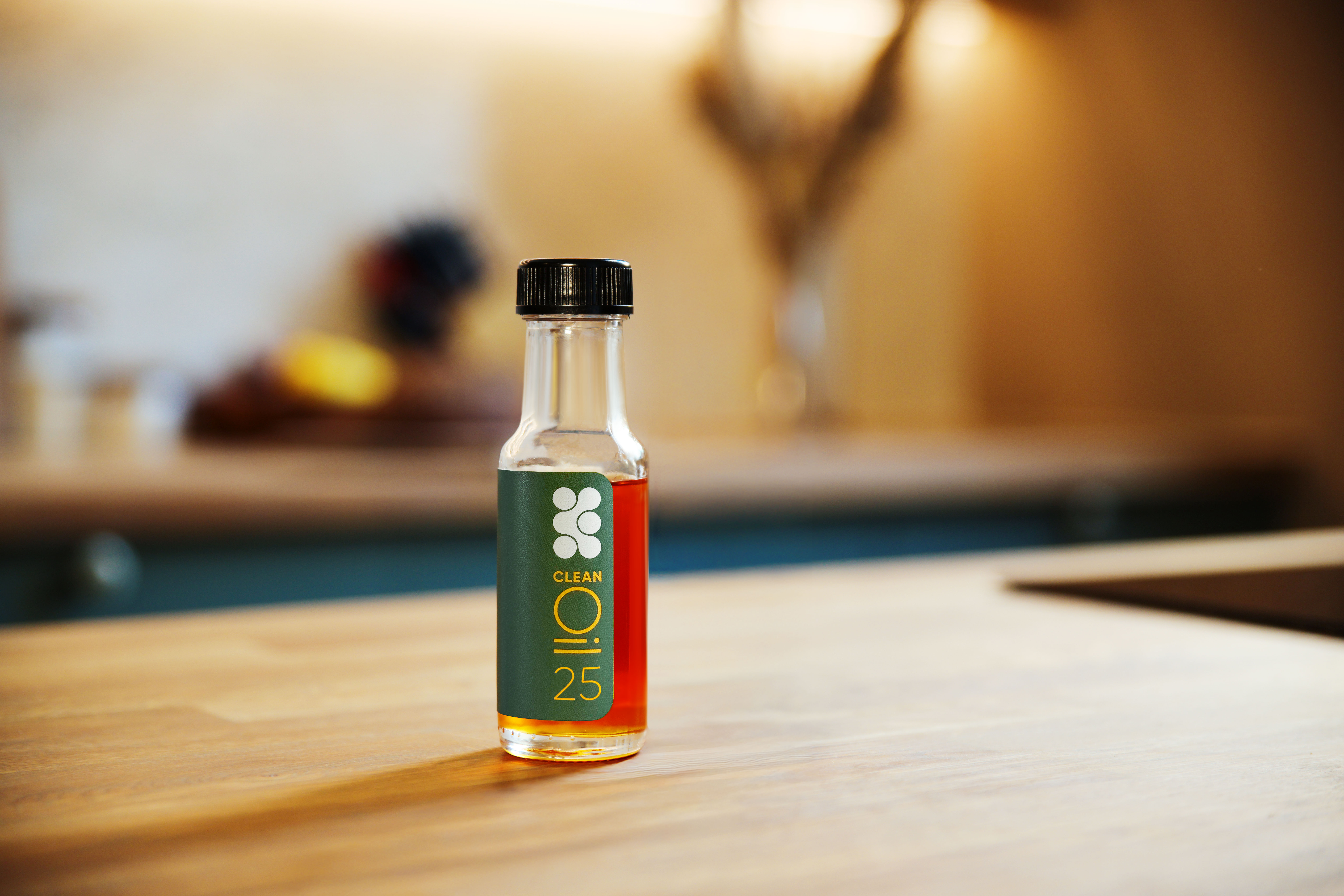
Clean Food Group has its roots in the University of Bath, where Chuck’s 10-year research effort forms the base of the firm’s technology, aided by £7.5M in UK government funding. By employing microbial fermentation and using up food waste, the startup lowers the emissions related to producing its fats by as much as 90% compared to terrestrial oil manufacturing.
Its proprietary Clean OilCell platform feeds scalable non-GMO yeast strains on waste bread, turning it into what it says are “bio-equivalent alternatives” to resource-intensive and highly polluting oils.
Last month, the three-year-old startup successfully scaled up its technology, completing a 60,000-litre commercial-scale production run, without building any new infrastructure, with support from Döhler Ventures.
“Hitting this milestone, we’re getting closer to the commercialisation of the alternative fats. We continue to be super excited about the future in the Clean Food Group,” said Rodrigo Hortega, venture manager at Döhler Ventures.
The company’s two products are Clean Oil and Clean Fat, and can be produced at price parity to farmed alternatives thanks to the scale-up process. Now, with approval to sell its oil to beauty and cosmetics companies, Clean Food Group will look to bring its oil to market quickly.
“This is a pivotal step forward in our mission to provide sustainable solutions for global supply chains. In terms of the beauty industry and product development, it gives brands the confidence to adopt Clean Oil 25 in their formulations, supporting efficacy and responsibility without compromise,” said Clean Food Group CEO Alex Neves.
“We are thrilled that Clean Oil 25 is now ready for market-ready formulations that will meet the growing consumer demand for sustainable cosmetics products.”
Sustainable fats critical ahead of EU deforestation regulation
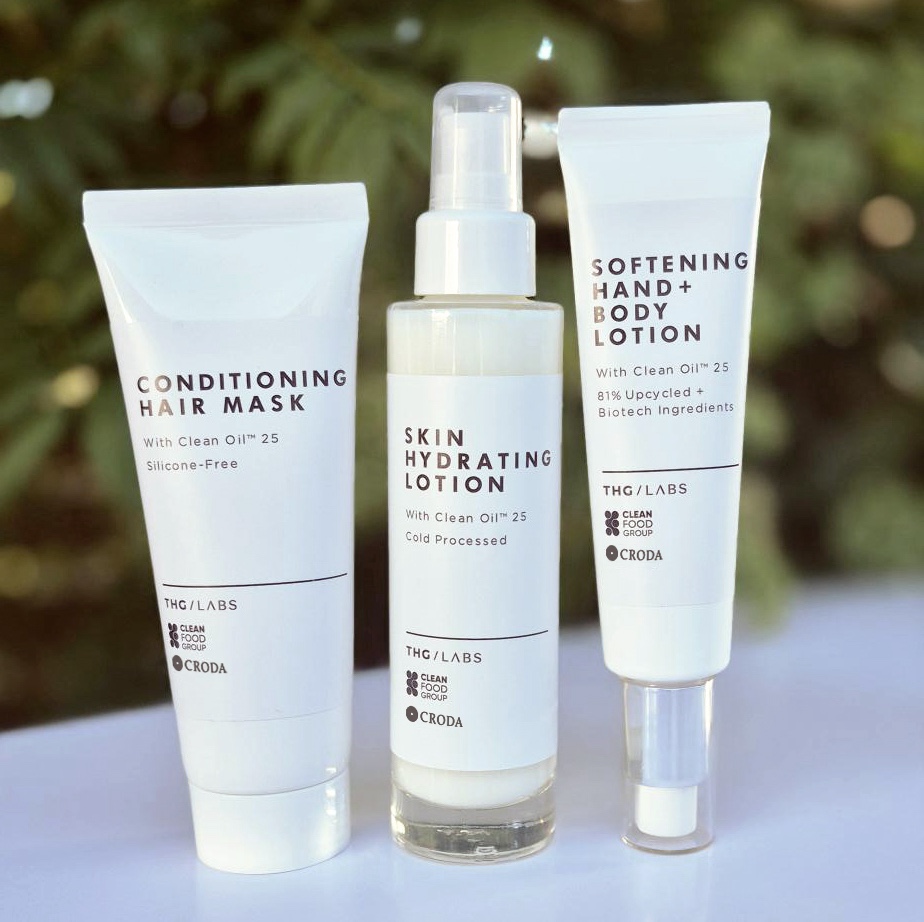
The startup’s collaboration with THG Labs was announced in October 2024, when the firms said they would create new raw materials using a “low-impact, high-performance oil” for use in beauty and personal care products.
“Innovation has the greatest impact when it moves beyond the lab and onto the shelf. The beauty brands we partner with are excited by what’s possible, but they also want what’s practical,” said THG Labs’s head of product innovation Kristal Goodman.
“THG Labs’s formulation expertise has helped take Clean Food Group’s brilliant biotech breakthrough and prove it’s commercially viable with real-world product development and scalable manufacturing for the beauty and personal care industry,” she added.
Clean Food Group is positioning its yeast oil as a base for “high-performance, sustainable products” across skincare, haircare, and wider personal care categories – and just as well, given the global cosmetics sector is set to reach $446B by the end of the decade. In addition, the startup is charting an entry into the food market with Clean Fat.
“We have offered support to Clean Food Group since their inception, and we are proud of their progress and look forward to continued collaboration to maximise the value of their new technology,” said Damian Kelly, VP of innovation and tech development at Croda. “This collaboration is a great example of UK industry, big and small, working together to solve global market challenges.”
Last year, Clean Food Group received €30,000 from EIT Food, the EU-backed accelerator programme, to identify technology gaps and implement a clear product development roadmap.
It’s among a number of startups innovating with alternative fats in an effort to decarbonise the giant yet highly problematic global fats industry. With the EU’s deforestation regulation set to take effect in December, companies would be banned from importing products featuring deforestation-linked commodities like palm oil, so solutions like Clean Food Group’s will be highly attractive.
Other firms in this space include NoPalm Ingredients, Palm-Alt, Äio, Time-Travelling Milkman, Savor, and Smey, among others.