

Clean Food Group Unveils Eco Cosmetics Oil Made from Yeasts Fed on Surplus Bread


UK biotech startup Clean Food Group has launched CleanOil, a waste-derived yeast fat that can help the beauty and cosmetics sector shift away from the planet-harming palm oil.
As more consumers seek cleaner, more sustainable formulations when buying personal care products, one UK startup has a solution built on microbes.
Based in Greater London, Clean Food Group leverages food waste, yeast, and fermentation to create sustainable alternatives to climate-harming fats and oils for an array of industries.
It’s now launching the biotech-driven ingredient platform for the beauty sector, which will be unveiled at the In-Cosmetics Global show in Paris (April 14-16).
“The launch of CleanOil is a defining moment for us as a business,” said Clean Food Group CEO Alex Neves. “We have always believed biotechnology has the potential to fundamentally reshape how ingredients are made, and with CleanOil, we are showing that sustainable alternatives can meet, if not exceed, the performance expectations of the beauty industry.”
A future-friendly fat to replace harmful incumbents
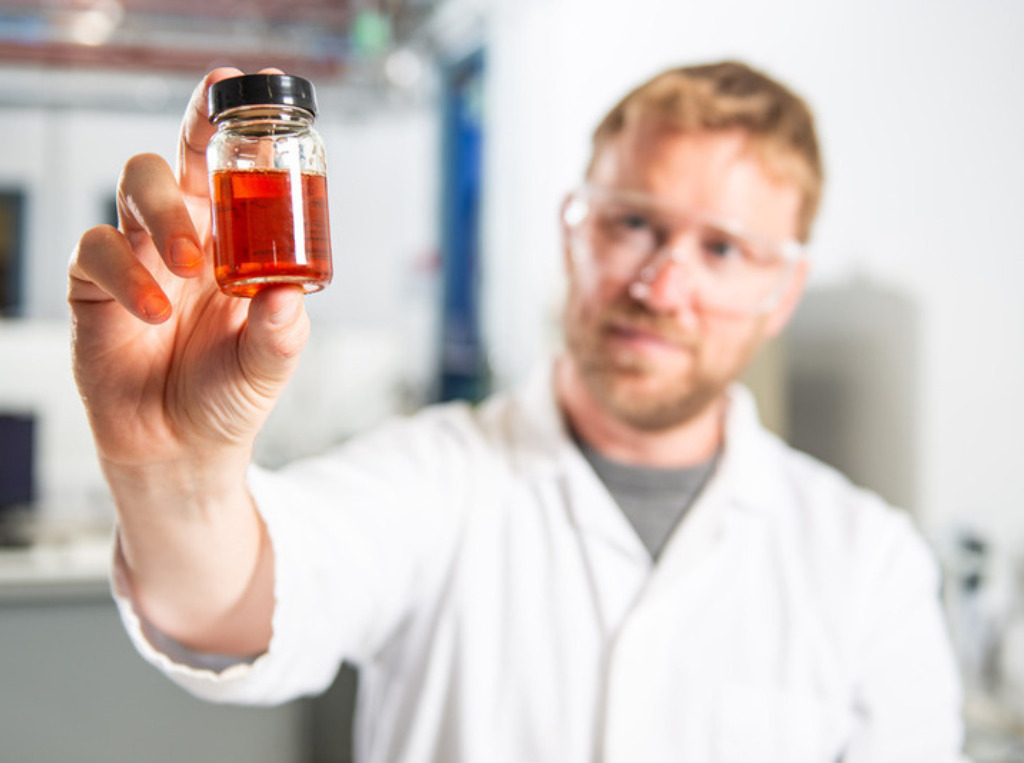
Clean Food Group has its roots in the University of Bath, where co-founder and technical lead Chris Chuck led a 10-year research effort that forms the base of the firm’s technology, aided by £7.5M in UK government funding.
Its proprietary CleanOil platform feeds scalable non-GMO yeast strains on circular feedstocks like surplus bread, turning it into high-performance, low-impact alternatives to tropical fats like palm and coconut oil, as well as petroleum-based mineral oils.
The platform has spawned several products that can be produced at price parity to farmed alternatives. CleanOil 40 is meant for confectionery and spreads, CleanFat 50 for bakery and dairy, and Clean Protein+ is an emulsifier for mayo and pet food.
Its debut ingredient, however, is CleanOil 25, which is being positioned as a base for sustainable products across the skincare, haircare, and wider personal care categories. This innovation delivers the sensorial quality and functionality associated with premium oils – think rich, silky textures with high amounts of omega-6 and omega-7 fatty acids.
CleanOil also allows producers to lower greenhouse gas emissions by over 95% compared to conventional agricultural oils. This is crucial, given the widespread use of fats such as palm oil in the cosmetics industry. Two-fifths of all oil produced is palm oil, which is a driver of rampant tropical deforestation and has been directly linked to wildfires in Indonesia and Malaysia.
It’s why the EU’s Deforestation Regulation, set to take effect this December after several delays, will ban the import of products like palm oil linked to deforestation. Violators face fines of up to 4% of their global turnover, and currently, 34% of palm oil imports potentially come from deforested land.
Clean Food Group says its ingredient has been designed to meet “both environmental and performance requirements” and has been evaluated within real formulation systems. It’s compatible with a wide range of formats and maintains colour and odour stability, offering an elegant sensorial profile.
With tech validated at scale, Clean Food Group courts investors
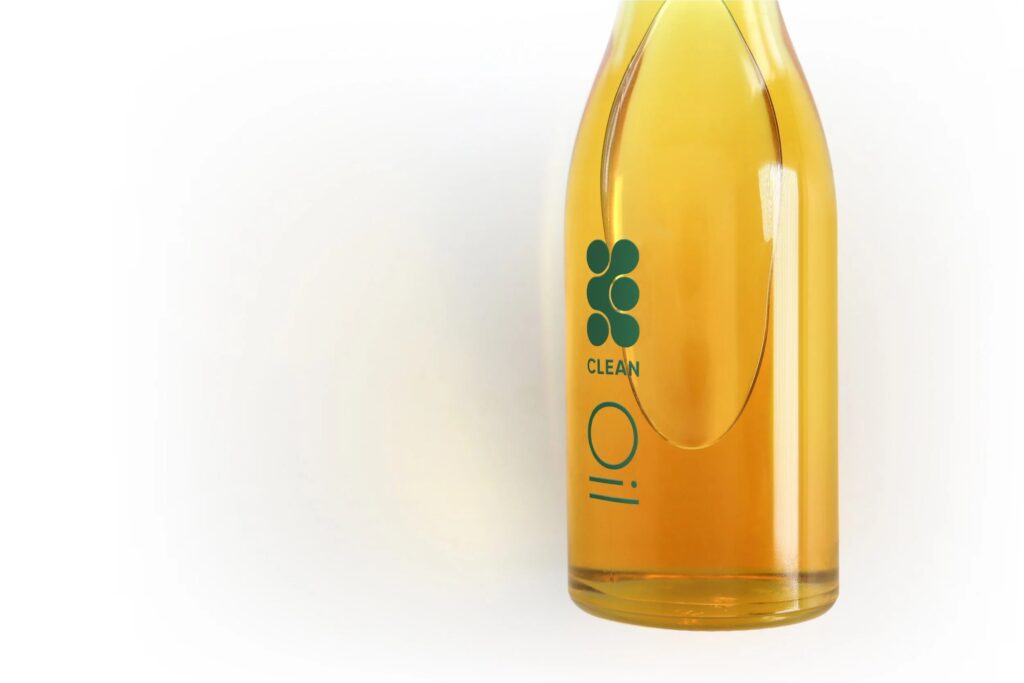
CleanOil 25 was co-developed with THG Labs, the product development arm of UK personal care giant THG, and specialty chemicals company Croda, as part of a partnership that began in October 2024.
At the time, the firms had said they would create new raw materials using a “low-impact, high-performance oil” for use in beauty and personal care products. Now, Clean Food Group suggests it has reached market readiness thanks to its collaboration with THG Labs.
“Through our partnership with THG Labs, we have been able to translate that science into something brands can confidently formulate with today,” said Neves.
“Our role has been to prove that CleanOil doesn’t just work in theory – it works in formulation, at scale, and within the demands of modern beauty product development,” noted Kristal Goodman, head of product innovation at THG Labs. “That’s what ultimately gives brands the confidence to adopt new ingredients.”
Clean Food Group’s fermentation platform and manufacturing process have been validated at scale, with the startup completing a 60,000-litre production run to yield two tonnes of its oils in 2025, in an effort supported by Döhler Ventures.
To scale up and further reduce costs, the firm acquired the assets of Algal Omega 3, a microalgal oil producer that went into administration last year. This included its 12-acre site in Knowsley, Liverpool, which, along with Clean Food Group’s demonstration plant in Ledbury, became a production hub for its yeast-derived lipids.
The startup already has regulatory approval to sell CleanOil 25 for cosmetic use in the UK, the EU and the US and is currently fundraising for a Series A round, which is expected to be closed in the first half of this year.
It is one of several companies leveraging microbial fermentation to produce planet-friendly fats for the beauty and personal care industries. These include Savor, Äio, Melt&Marble, NoPalm Ingredients, C16 Biosciences, Terra Oleo, and others.