

Banks Are Failing on Methane Action, with $159B Provided to the Food Industry’s Largest Emitters

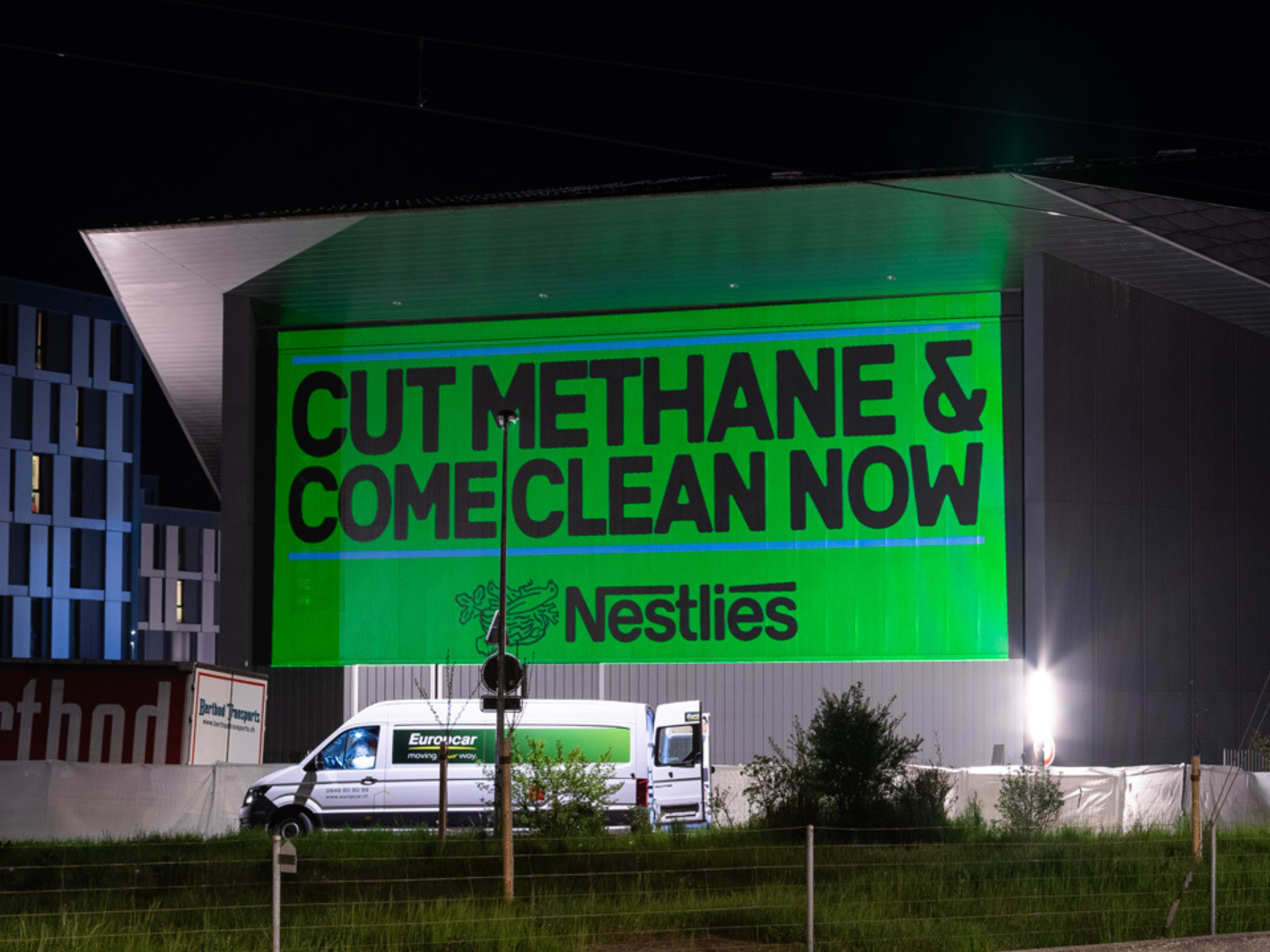
The world’s largest banks provide lending and bond financing totaling $159B to 15 of the largest methane-emitting food companies, according to a new analysis.
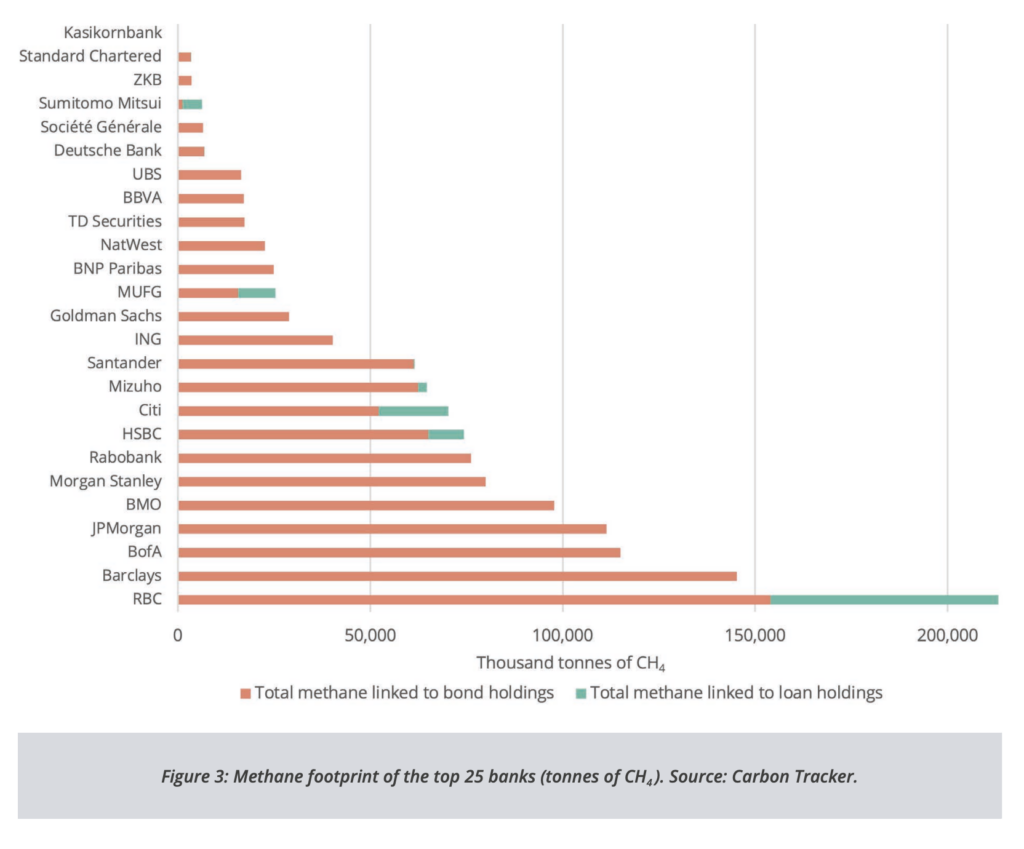
The Royal Bank of Canada, Barclays, and Bank of America have the highest associated methane footprints in the banking sector, headlining its failure to act on one of the most immediate threats to the planet and its farming systems.
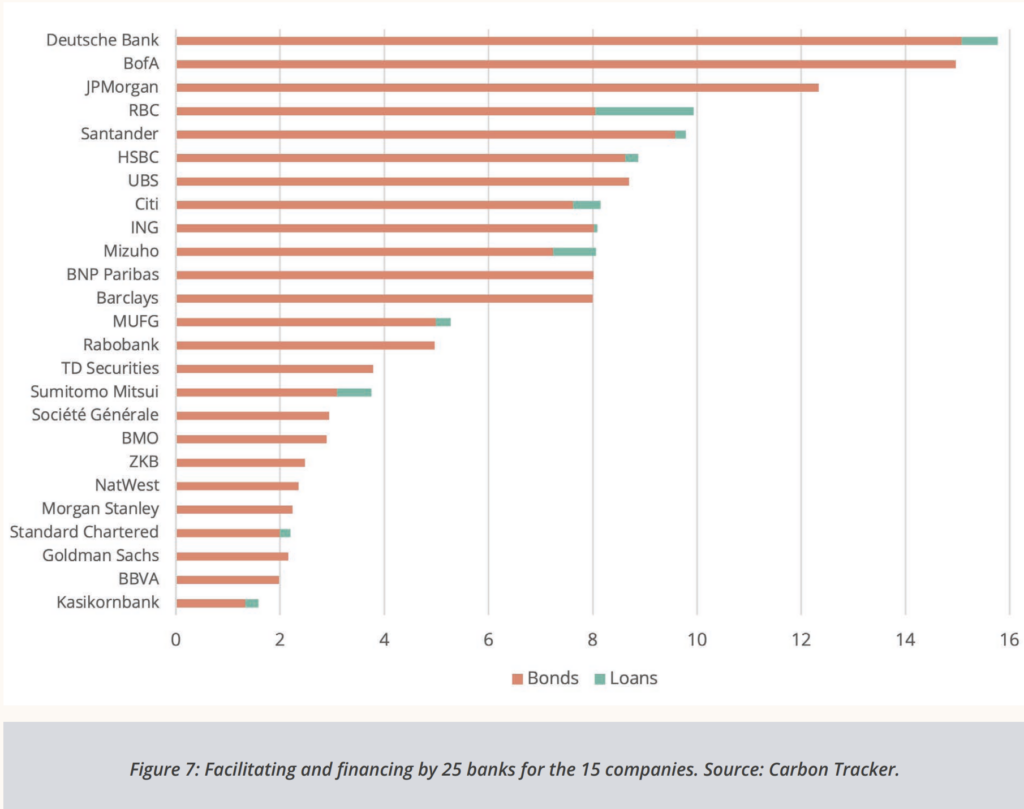
A new report from think tank Planet Tracker, titled Silence of the Loans, shows that 15 of the highest-emitting meat, dairy and rice companies generate around 1.3 million tonnes of methane every year and benefit from lending and bond financing by 25 banks, totalling $159B.
“Agriculture produces around 40% of methane emissions – more than fossil fuels. Banks should use their leverage to reduce these emissions by restricting or withdrawing finance from companies that fail to act,” said report author Ailish Layden.
Why methane inaction is a risk for banks
Methane has an outsized impact on the planet in the short term. It’s responsible for around 0.5°C of global warming, and is 86 times more potent than CO2 over a 20-year period. The gas is the primary contributor to ground-level ozone, which causes a million premature deaths each year.
Its emissions are rising faster than ever before, growing by as much as 20% between 2000 and 2020. And if we don’t take any action, human-caused methane emissions will rise by up to 13% between 2020 and 2030, taking the world in the opposite direction on the path to 1.5°C.
No sector generates more methane than agriculture, and meat and dairy production alone are responsible for 31% of total human-caused methane emissions. Rice, meanwhile, contributes to another 9% of the output.
There are two main ways banks provide finance to businesses in this sector. They can either lend directly to companies, which would appear as loans on banks’ balance sheets, or facilitate finance by arranging bond issuance or syndicating loans.
Most banks have sustainability targets that only cover financing, not facilitating. Since the latter does not require a balance sheet commitment, it covers much larger volumes than direct financing – the research shows that 96% of the debt finance provided to the top 15 agrifood emitters is in the form of bonds.
Plus, banks that only have targets for financed emissions can arrange facilitated debt for polluting customers without triggering any disclosure requirements.
The report outlines several risks banks face if they fail to act on methane. Climate change is already disrupting global agriculture, posing financial risks for food companies. That could impact the credit quality of borrowers, affecting revenues, margins, and profits, and causing working-capital swings that strain liquidity, which in turn could lead to credit rating downgrades.
In the medium term, markets are likely to increasingly differentiate between issuers with and without credible transition strategies. Investors may apply higher risk premiums to companies with methane-intensive supply chains that have no measurable reduction plans. Moreover, they can increase capital costs and restrict access to debt markets.
Unchecked methane emissions can represent regulatory risks, too. For banks, incomplete disclosure, particularly where facilitated emissions are excluded, creates compliance risks if stakeholders perceive a gap between headline commitments and real-world capital markets activity.
Planet Tracker points to reputational risks as an amplifier: they “accelerate market repricing when underlying resilience is already in doubt”.
How banks can accelerate methane reduction
Building on the think tank’s previous research on 52 of the largest methane emitters in the food processing sector (which account for 12% of all agrifood methane emissions), this new report identified 15 meat, dairy and rice producers for which bond and loan information was available.
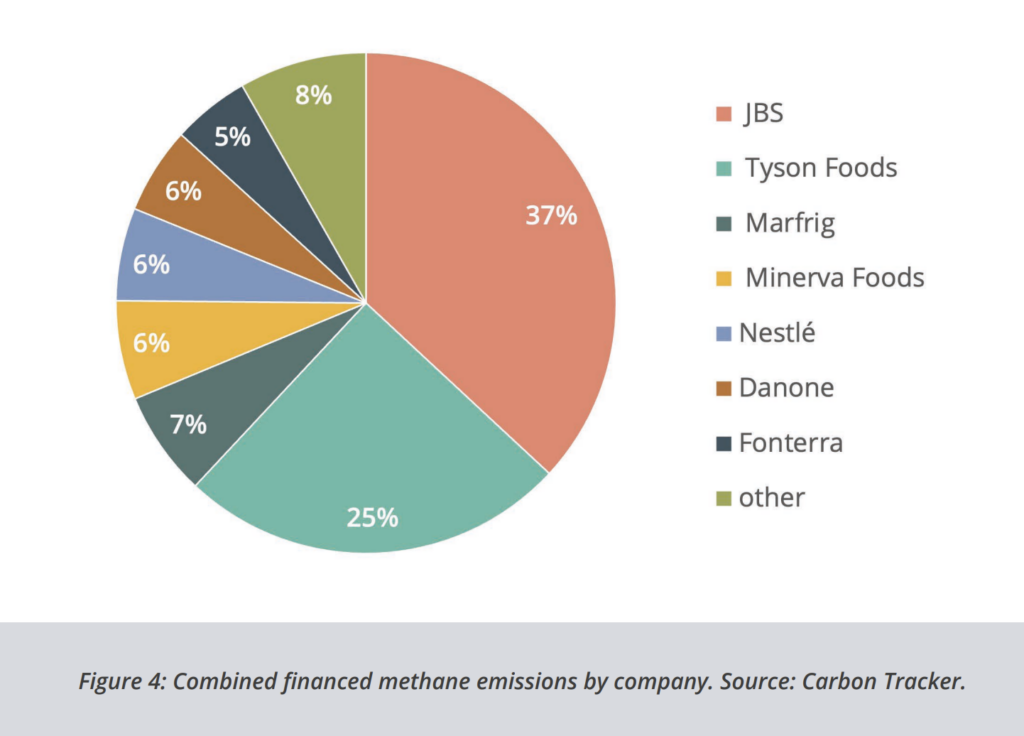
These represent 57% of the total emissions of the 52 companies previously assessed. JBS and Tyson Foods accounted for the largest financed methane emissions, amounting to 37% and 25% of the total, respectively. In fact, of the 25 banks, 23 invest in the latter, totaling $6.4B in combined investments.
Among banks, Deutsche Bank accounted for the largest share of emissions at $15.8B. It’s also the only institution with a policy of withdrawing funding from companies unwilling or unable to transition away from emissions-intensive activities.
All 25 banks have targets for reducing greenhouse gas emissions from the energy sector, though only two have such goals for agriculture: Barclays and Rabobank. And none of the banks has explicit methane targets – Rabobank has a commitment to “significantly reduce’ methane emissions by 2050, but hasn’t specified a reduction figure.
Planet Tracker has published a list of recommendations to help the banking sector tackle methane. It’s calling for explicit recognition of methane as a financial risk, including acknowledging it as a climate change driver and systemic risk and identifying meat, dairy and rice as priority areas to address.
Banks must set quantitative targets that incentivise absolute methane reduction by financed clients aligned with the Global Methane Pledge‘s goal to lower emissions by 30% by the end of the decade.
They should also include borrowers’ Scope 3 emissions within their own Scope 3, require methane-intensive clients to disclose upstream emissions, and provide time-bound methane abatement strategies, incorporate methane risks into credit assessments, and use sustainability-linked loan KPIs tied specifically to methane reductions.
Moreover, Planet Tracker is urging banks to restrict new financing for companies without credible transition pathways and pledge to exit businesses unwilling or unable to transition away from methane-intensive activities.