

Cats Like This Cultivated Meat Treat Just As Much As Chicken

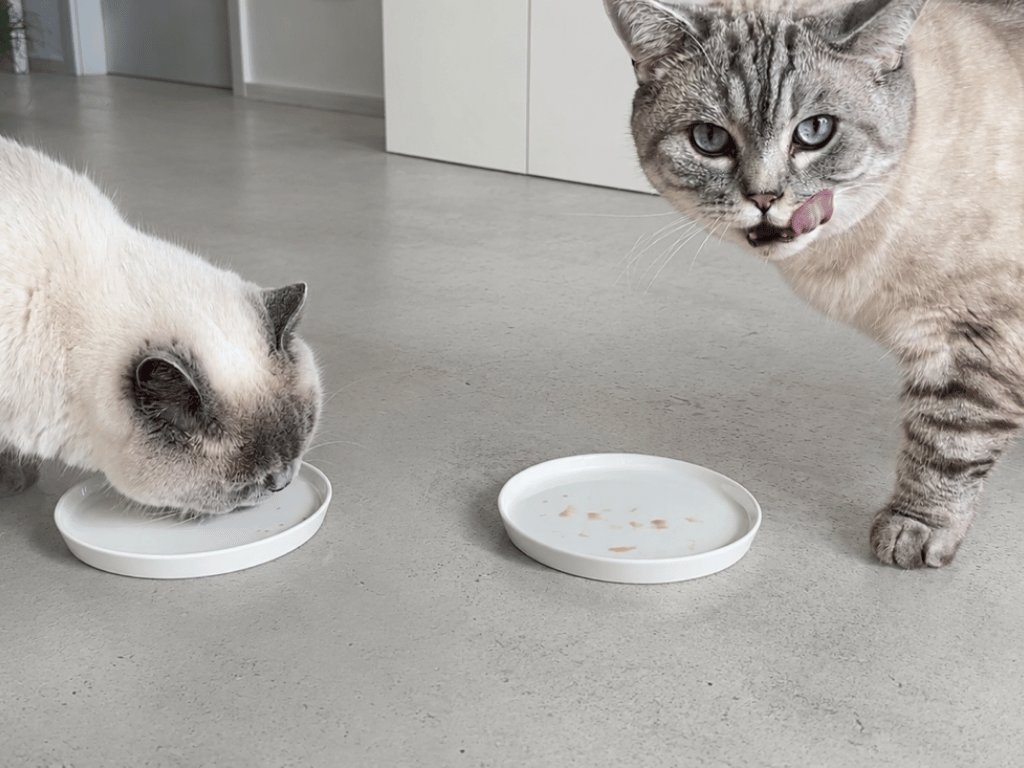
A palatability study has found that the same number of cats prefer BioCraft Pet Nutrition’s cultivated mouse meat as those who choose conventional chicken.
Cats can’t decide what they like more: meat made from mouse cells in bioreactors, or meat derived conventionally from chickens. And for a burgeoning cultivated meat sector with plenty of naysayers, that palatability split is a big win.
BioCraft Pet Nutrition, an Austrian-American food tech startup making cultivated meat for pets, has revealed the results of an independent feeding trial comparing its cell-cultured meat treat with global natural pet food brand Applaws’s creamy lickable chicken treat.
The test was conducted by German market research firm Regionales-Produkt-Panel (RPP), which found no statistically significant preference between the two products. And when it came to first bite, cats chose each product exactly 50% of the time.
Trial proves cultivated meat ‘can compete on taste’
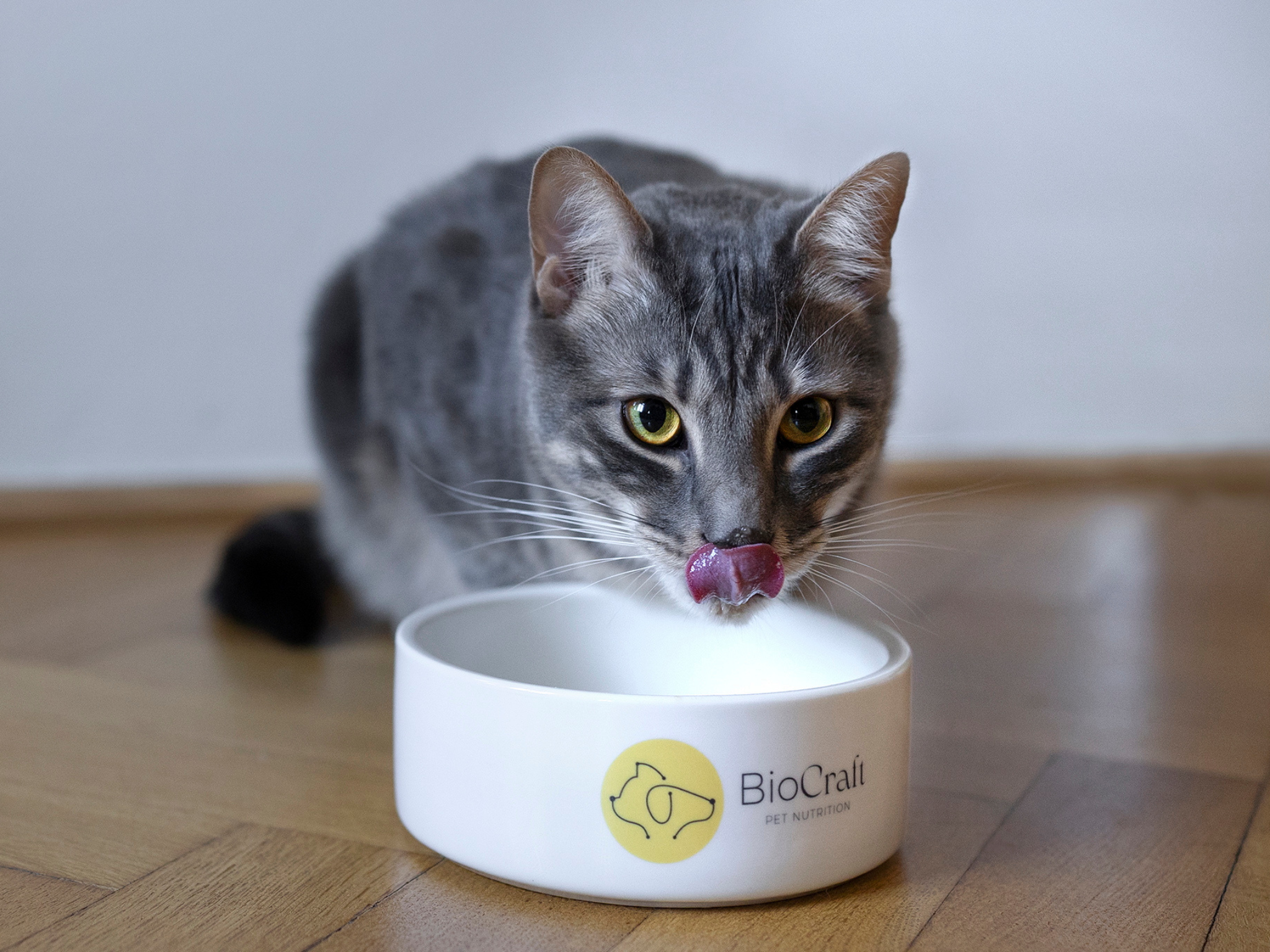
BioCraft’s cultivated meat is made with a process similar to yoghurt production, with mouse cells fed on a nutrient mix of sugars, amino acids, vitamins and minerals in a controlled environment in fermentation tanks.
The resulting biomass is an unstructured ingredient that doesn’t require any downstream processing, and third-party profiling of over 100 nutrients showed that its cultivated meat has comparable levels of taurine, lysine, methionine and tryptophan to that of chicken slurry, and a superior omega-6 to omega-3 ratio.
The company formulated the specific recipe used in the trials by combining its cell-cultured mouse meat with other clean-label, animal-free components already approved for sale in the pet food market, creating a ready-to-market lickable treat optimised for feline palates.
The taste tests involved 40 cats, who were fed in their homes. RPP offered them 30g portions of each product side by side in neutral bowls, with positions rotated across households to control for any side preference.
In the overall preference measure, 17 of the cats ate more of BioCraft’s treat, and 19 ate more of Applaws’s, while four ate equal amounts of each. RPP said this difference wasn’t statistically significant, and first-bite choice was evenly divided, with 20 cats choosing cultivated meat and 20 opting for conventional chicken first.
“Going into this test, we purposely wanted to measure ourselves against one of the most trusted treats that cats actually love,” said BioCraft co-founder and CEO Shannon Falconer. “Seeing cats split their first bites right down the middle, with no statistically meaningful preference either way, tells us our new cell-cultured lickable treat can already compete on taste, not just on safety and sustainability.”
BioCraft Pet Nutrition taps AI to drive palatability

Beyond its ingredient development efforts, BioCraft has built a proprietary palatability capability in-house. “Our earliest palatability trials with the ingredient transparently didn’t go very well,” Falconer explained.
“We didn’t want to mask off-notes with the palatants already on the market, so instead we identified what was causing the poor palatability, removed it, and then found the components that would synergise with our ingredient to bring out its natural, tasty notes, making the final product irresistible to the feline nose.”
The company notes that this capability is built on its AI-guided formulation methodology. The team feeds human and feline trial data into generative AI models, which analyse the sensory outcomes and generate structured experimental designs to pinpoint key cost-effective palatability levers.
That data-driven workflow eliminates trial-and-error volatility and translates directly to dry food, wet food, and toppers, establishing a scalable blueprint across BioCraft’s product portfolio.
Pet food producers can launch its cultivated meat as is under their own brands, or use it as a foundation to build a broader range of offerings, giving them a route to market that skips the formulation R&D typically required to turn such ingredients into shelf-ready products.
BioCraft also offers cost and climate advantages. It has developed a plant-based growth medium formulated to provide a nutritious boost to the end product, allowing its pet food ingredient to be priced at $2-2.50 per pound. And its ingredient emits 92% fewer greenhouse gases during production than conventional beef byproducts.
The company has been working with Partner in Pet Food and Prefera Petfood to bring its innovation to market, having secured registration from Austrian authorities to use Category 3 animal byproducts (ABPs) in the EU, allowing it to sell its cultivated mouse meat as a pet food ingredient in the region. It has also published a regulatory dossier for cultivated pet food, proposing a minimum safety disclosure standard for the industry.
The trial comes months after fellow cultured meat firm BeneMeat, which will soon launch cultivated hamster meat for dogs in Europe with Forza10, found that its ingredient is well-accepted and digested by cats, who leave significantly fewer scraps than when they eat conventional chicken.