

‘Where the Sector Needs to Go’: Why Australia’s Leading Future Food Non-Profits Joined Forces


Australian future food advocacy groups Food Frontier and Cellular Agriculture Australia have merged to accelerate research, policy breakthroughs, and regulatory progress for sustainable proteins.
Since the highs of 2020-21, the plant-based protein sector has faced a reality check. Investment and sales have declined, and many startups have been acquired, merged, or shut down.
Cultivated meat and precision fermentation players are still working their way through scale-up and regulatory challenges. The future of the food sector could, it seems, hinge on collaboration and integration.
That was the impetus of the merger between Australian alternative protein think tank Food Frontier and future food non-profit Cellular Agriculture Australia (CAA). The two organisations have been collaborating for years, and began formal talks to join forces last year.
“Across plant-protein, fermentation and cultivated applications, the policy challenges overlap, the regulatory pathways intersect, and the stakeholders are increasingly the same people in the room,” David Bucca, founder and CEO of Change Foods and executive chair of Food Frontier, tells Green Queen.
“Both organisations had reached a level of maturity, and the sector had reached a point of convergence, where a compelling case emerged for combining forces,” he adds.
Food Frontier has been integrated into CAA, which now has an expanded focus to drive policy, investment and regulatory progress for Australia’s future food sector.
The integration is earmarked for April, when Bucca will take a position on the CAA board. Food Frontier’s executive director, Hannah Andersen, and operations coordinator, Hamish Toohey, will join the CAA team, which is already recruiting to expand its workforce.
“The next chapter of food system innovation will be shaped by how well the entire ecosystem works together – companies blending technologies, supply chains converging, and the organisations that support them operating from a common platform,” says Bucca. “That’s what this integration is about.”
Unified approach a reflection of merging technologies and products
The merger will see both organisations work on a single streamlined strategy dedicated to the most promising opportunities across cultivated, fermented and plant protein applications. These categories are “increasingly converging”, they said.
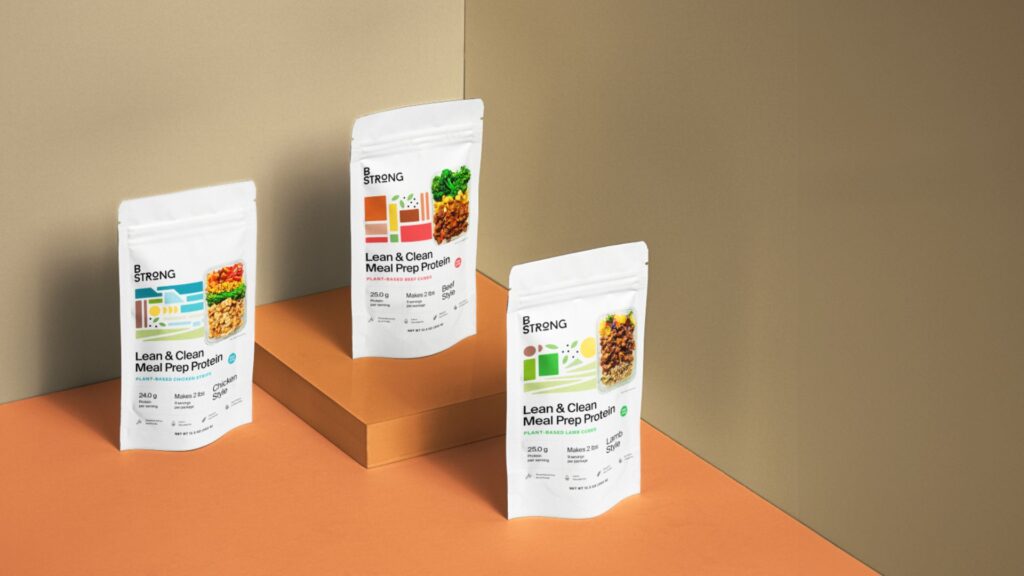
“The products themselves are increasingly blurred too, with hybrids and blends combining multiple technologies in a single product,” explains Bucca. “When the boundaries between the technologies are dissolving at the product level, integrating made more strategic sense than continuing to run parallel operations.”
Asked if this was a reflection of the trials of the alternative protein industry, which has seen more than 60 M&As and liquidations since September 2024, he says: “The plant-based sector has been through a correction over the past few years, with hard lessons globally about market readiness, consumer expectations, and what it takes to build lasting commercial traction. That context matters.”
He continues: “This merger is about where the sector needs to go, not where it’s been. Each technology pathway has its own science, regulatory challenges, and commercial realities. That dedicated support isn’t going anywhere.
“What needs to evolve is how the ecosystem around those technologies is organised – moving into a more mature, coordinated phase that thinks holistically about how these technologies complement each other and successfully integrate into the broader food system.
“That means a unified approach to policy, regulation, research, and market development rather than each technology community advocating in isolation.”
Both organisations have been independent, philanthropically funded non-profits, and Bucca confirms that CAA will continue that way: “The merger brings together both organisations’ funding bases and donor relationships, which creates a stronger, more diversified funding position.”

Economic modelling and regulatory engagement among new priorities
The deal will provide a single point of contact for policymakers on food tech and ingredient innovation. While protein remains a core focus, Bucca notes that the merger announcement’s framing is “deliberately broader”.
“From April, CAA’s expanded strategy spans cellular agriculture, food biomanufacturing, and plant protein ingredient supply chain diversification, continuing Food Frontier’s work in that space,” he says.
“Our work plan covers policy advocacy across the Australian government’s innovation, food and national security, advanced manufacturing, R&D, and regulatory reform agendas – system-level challenges that cut across emerging food production technologies and ingredient innovation more broadly,” outlines Bucca/
“Commercially, these technologies are finding applications well beyond protein, and our strategy and approach are structured to respond to that. Protein remains central to our impact agenda, but our intention is to remain responsive to the needs of the evolving ecosystem.”
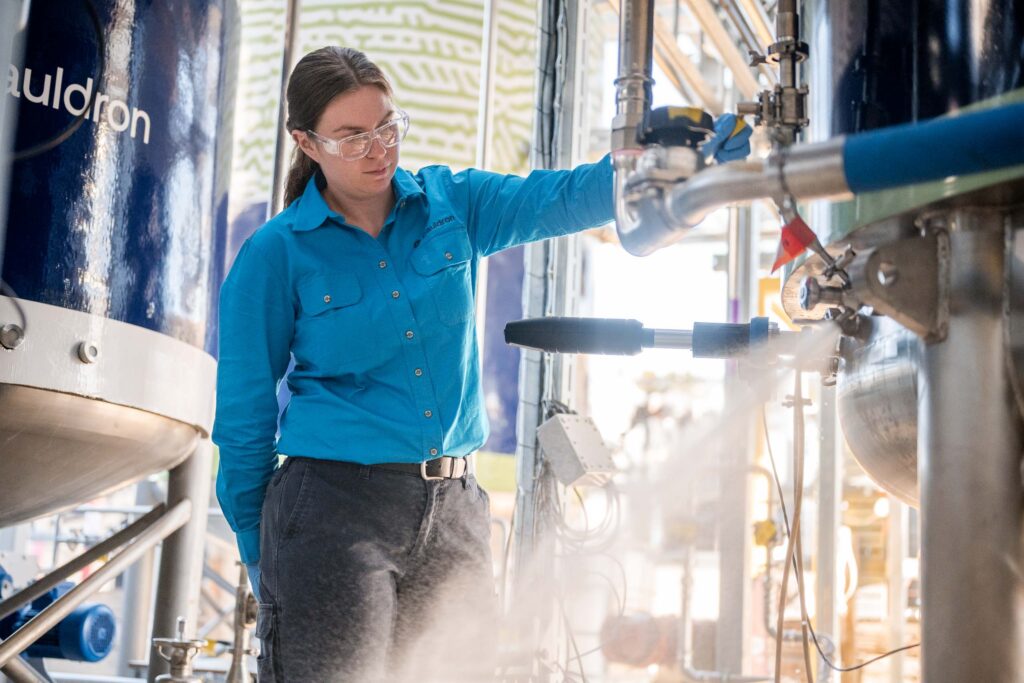
CAA already has a detailed work plan for 2026-27 in place. “On the policy side, the big focus is commissioning robust economic modelling to quantify the national opportunity and investment required to underpin the commercialisation of Australia’s food biomanufacturing industry.”
The aim here is to “underpin the development of a national policy strategy, as well as targeted advocacy to federal and state governments”. It comes amid Australia’s national science agency, CSIRO, ending its food innovation work as part of a restructuring strategy driven by financial challenges.
“On plant proteins, the recommendations in Food Frontier’s recent report will form the basis for our approach to mobilising government and industry stakeholders. CAA will also continue Food Frontier’s support of social science research to understand how to increase consumer adoption of sustainable ingredients,” he says.
“On regulation, the team is actively engaging with FSANZ on pre-market assessment pathways and responding to a pipeline of consultations. And operationally, the immediate focus is on integrating the teams and delivering against the consolidated work plan – with an organisational identity and brand refresh later in the year that reflects the full ambition of what we’re building.”