

New Culture Says California Approval for Cow-Free Casein Took ‘Longer Than Expected’ As It Gets New Patent

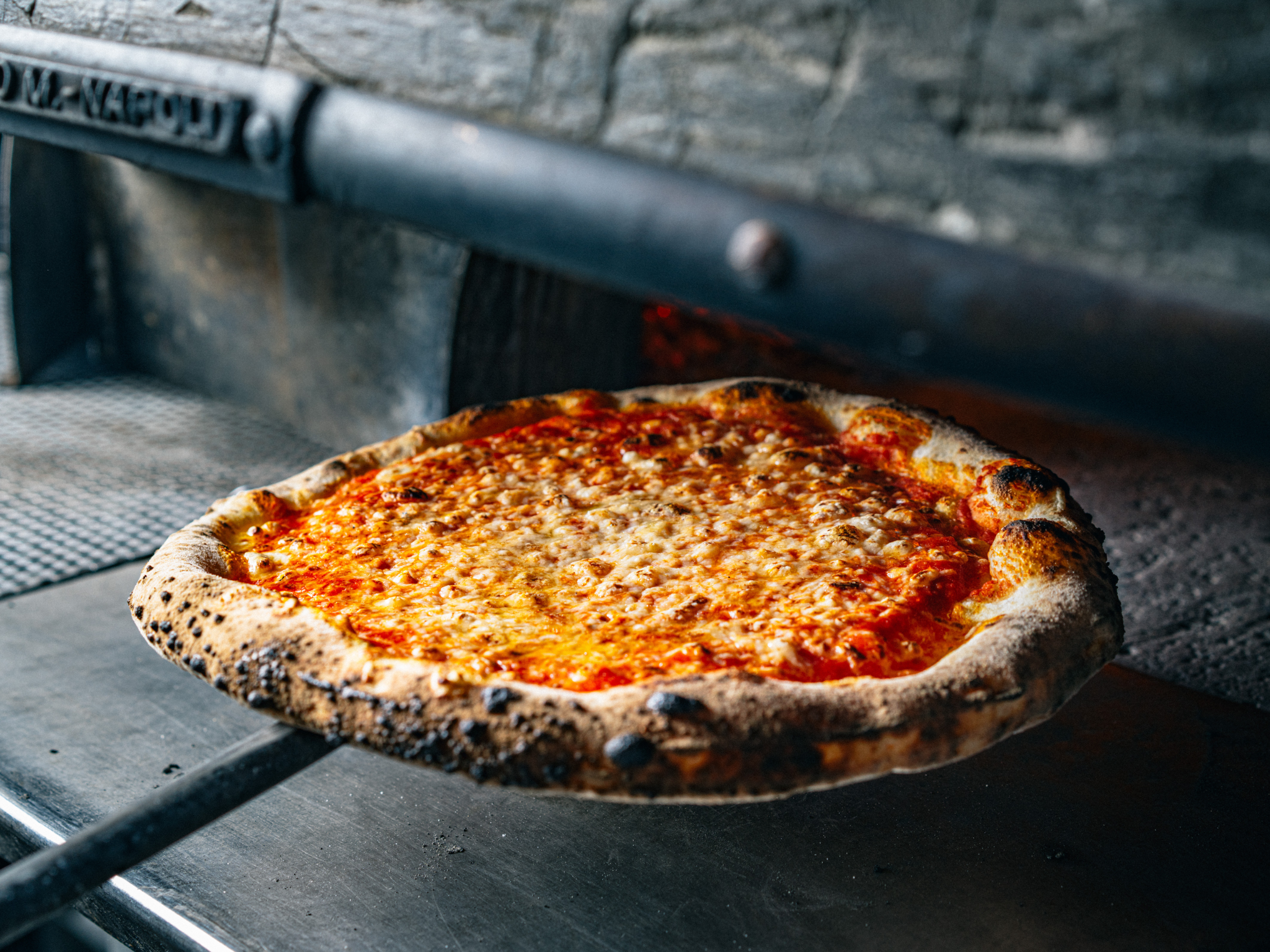
Californian precision fermentation startup New Culture has secured another patent for its recombinant casein protein, covering its flagship mozzarella product in the US.
Ahead of its expected launch in pizza restaurants in California, US startup New Culture has been granted another patent covering a product made from its precision-fermented casein protein.
The US patent focuses on the startup’s flagship mozzarella, which combines its animal-free casein with plant-based ingredients to replicate the conventional cheese.
The company’s patent portfolio spans cheese products made with casein bioidentical to the versions found in cows, sheep, goats, buffaloes, camels, and other species.
A 2023 patent broadly covers animal-free cheeses that have dairy-like properties like adhesiveness, stretch, texture, mouthfeel, melt, hardness, creaminess, and flexibility, regardless of type, formulation or production process.
”Our IP portfolio includes several patents and pending families protecting applications of our animal-free alpha-casein across a range of dairy products, both within the US and around the world,” New Culture co-founder, CSO and CTO Inja Radman tells Green Queen.
The startup continues to pursue additional patents to cover the use of its casein in both edible and non-edible products. ”As we have an incredibly sophisticated understanding of our ingredient, we have developed high-quality products spanning the dairy industry using our animal-free casein as the key functional ingredient. This is reflected in our portfolio,” says Radman.

New Culture working with global manufacturing partners
Casein is a family of proteins found in mammalian milk, known for its emulsification, stabilisation and gelation properties. It’s what makes hard cheeses melt, stretch, bubble and brown.
The most popular form of casein is derived from cow’s milk, an industry that requires a vast amount of land and water and has a detrimental impact on the environment.
Precision fermentation involves inserting specific DNA into microbes to teach them to produce the desired molecules when fermented. The technology is widely used in the dairy industry to make rennet for cheese. New Culture is leveraging this to produce powdered alpha-S1 casein, the main protein found in dairy, which it will use to make subsequent cheese products.
”We use high-density, aerobic bacterial fermentation to produce our casein. Then, we use a custom-developed downstream process to isolate our high-purity and high-quality animal-free casein powder,” says Radman.
While the specifics are under wraps, the process has been optimised over several years. ”We then combine our animal-free casein powder with other cheesemaking ingredients like plant-derived fats and salts to make delicious animal-free cheeses, focusing on mozzarella for foodservice,” she says.
To make the mozzarella, the casein is mixed with water, sunflower and coconut oils, salt, sugar, starch, and minerals. It contains 5g of protein and 2g of carbs, and needs less than half as much casein (28%) as its conventional counterpart, helping lower costs for an otherwise expensive technology.
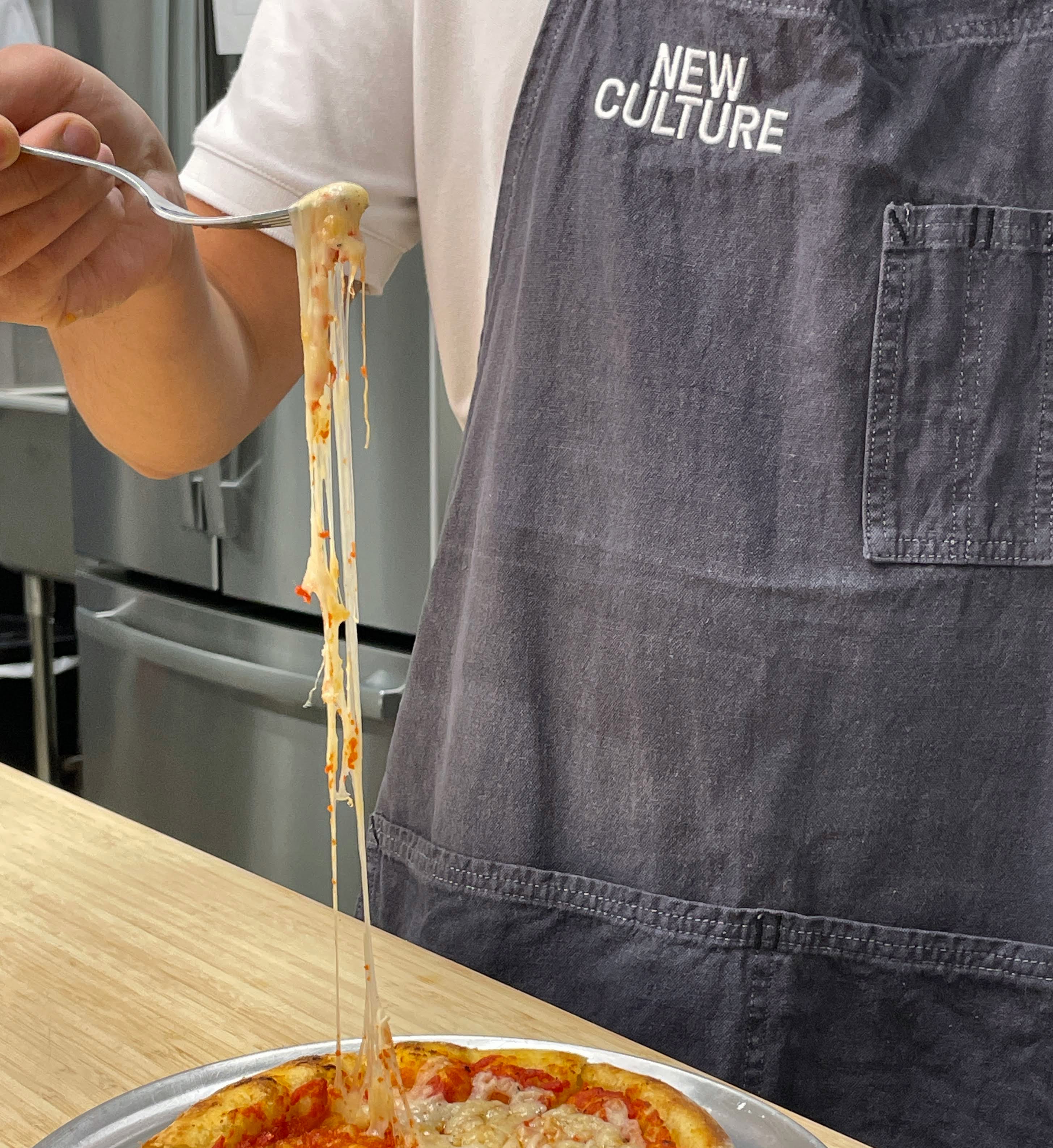
The firm says it’s a leader in developing and optimising the strain, fermentation and downstream process required for the cost-effective production of recombinant alpha-S1 casein on a large scale. Its core IP and expertise lie in utilising this ingredient as the sole protein source in animal-free dairy products.
”We work with global manufacturing partners to produce our animal-free casein and have successfully deployed our manufacturing process at multiple commercial sites,” says Radman, referring to New Culture’s partnerships with CJ CheilJedang (an investor in the startup) and ADM.
”We’ve achieved dramatic cost reductions through both process improvements and scale-up, demonstrating our ability to produce cheese that is cost-competitive,” she adds.
”Bringing our costs down further to undercut commodity cheese is a matter of manufacturing at mass-market scale, which we’re on track to achieve thanks to relationships with our world-class contract manufacturing organisations and ingredient manufacturers.”
California label approval for animal-free casein took ‘longer than expected’
New Culture has raised $28.5M in venture capital, and last year, secured $5M in early demand from pizza purveyors across the US. Radman did not reveal whether the company is fundraising, saying: ”We are in great shape in terms of runway.”
The firm already self-determined its ingredient as Generally Recognized as Safe (GRAS), enabling it to sell the casein in the US. But this rule is set to be scrapped by the Food and Drug Administration (FDA), with businesses potentially needing a ’no questions’ letter from the regulator before placing their ingredient on the market. Radman says the company currently has no updates on this front.
Moreover, New Culture is awaiting clearance for its product label and registration from the California Department of Food and Agriculture (CDFA), which oversees the production of Products Resembling Milk Products (PRMP).
”CDFA regulates animal-free and plant-based dairy products that are manufactured in the state of California. Securing a PRMP approval includes three components: a product registration, a production facility license, and an approved product label,” she explains.
”To our knowledge, New Culture was the first company ever to submit a PRMP approval package for animal-free dairy made from precision fermented casein. The package itself is exceptionally detailed, getting into all facets of our cheese manufacturing process.
”CDFA is a very thorough and intentional organisation, and all the more so when it comes to reviewing a first-ever PRMP without a parallel or precedent. We will have more to share about the process in the coming months.”
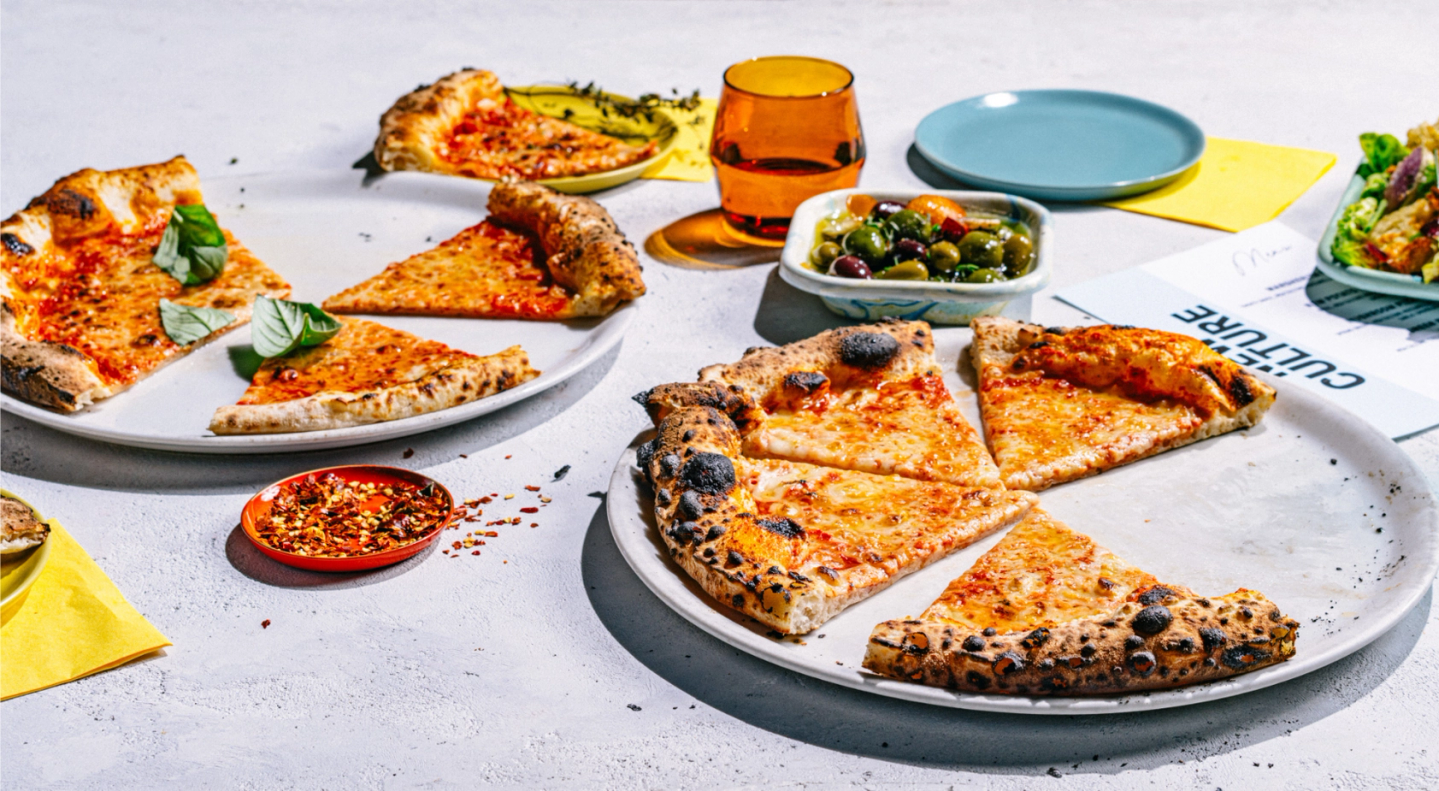
Once it receives approval, the company will launch its mozzarella in pizzerias. It has partnered with CPG companies to demonstrate the potential of its casein as a base for dairy innovations such as yoghurts, creamers and beverages, as well as products targeting performance nutrition, metabolic health and everyday consumption.
Casein is also a high-performance protein for delivering extended recovery, satiety and functional nutrition, making it a desirable ingredient for the GLP-1 nutrition category. In the US, users of these weight-loss drugs nearly doubled from 10% in 2024 to 18% in 2025.
One of the restaurants New Culture has previously announced a partnership with is Nancy Silverton’s Pizzeria Mozza in Los Angeles. ”The team is hard at work preparing for launch and getting an endless number of details in place to bring our animal-free mozzarella to market,” says Radman.
”Factoring in the first-of-its-kind CDFA application, it’s certainly taken longer than we wanted or expected, so we really can’t wait for our fans and everyday consumers to become repeat purchasers of our cheese.”
New Culture is one of only four active companies to be cleared to sell precision-fermented casein in the US, alongside Those Vegan Cowboys, Eden Brew, and Formo, all of which have self-affirmed GRAS status.