

Food Experts Ask USDA to Count Pulse Protein Pastas As Meat Alternatives in School Meals


A coalition of over 100 food, farming and nutrition groups is calling on the USDA to expand access to pulse-based ingredients to help schools meet its new protein-rich dietary guidelines.
Amid the furore around the meat-promoting update to the national dietary guidelines, food experts across the US are championing pulses as nutritional powerhouses for children.
In an open letter to US Department of Agriculture (USDA) secretary Brooke Rollins, a coalition of more than 100 food and agriculture groups, school districts, nutrition experts, and foodservice professionals is calling on the government to incorporate more legume-based ingredients in school meals.
By embedding more beans, chickpeas, dried peas, and lentils into the children’s nutrition system, schools will be able to more easily meet dietary recommendations at an economical cost.
“Incorporating a variety of pulse-based foods, including whole pulses, pulse-based pastas, and pulse flours, provides schools with flexible, nutrient-dense options that support children’s dietary needs,” the letter states.
USDA urged to make two updates to school nutrition policy
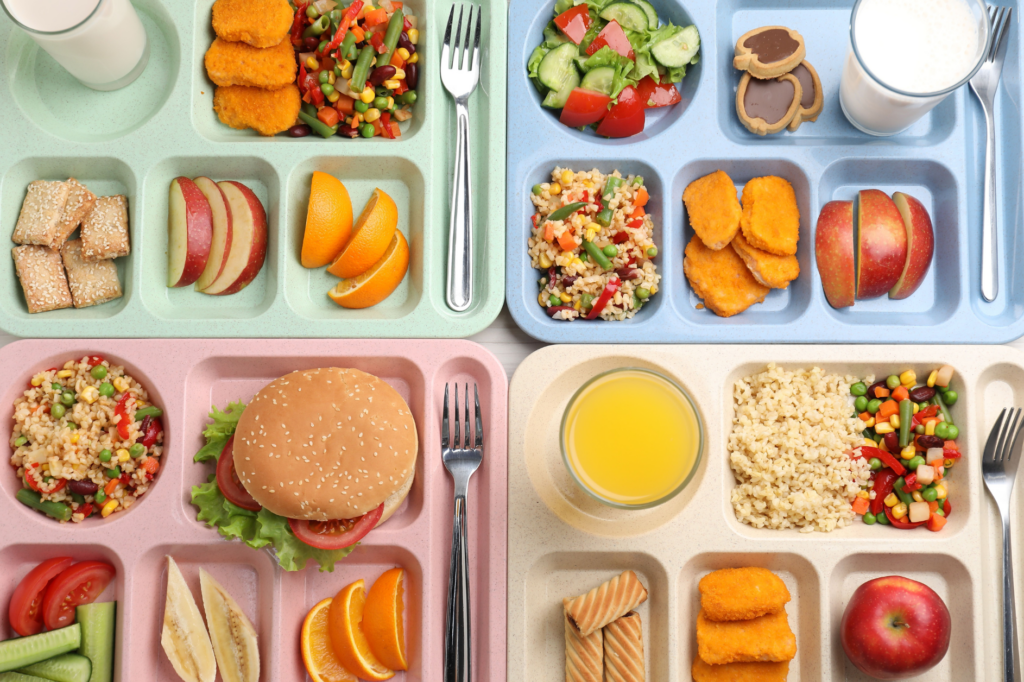
The letter asked the USDA to make two changes to help schools use legume-based products to make student meals healthier and aligned with the dietary guidelines.
First, it urged the department to treat pulse-based pastas consistently and to count them as a standalone protein. The Child Nutrition Programs include detailed meal pattern requirements, such as minimum inclusion rates and types of foods, that must be offered for reimbursable meals.
Many of these require a meat or meat alternative. school meal guidance acknowledges that pulse protein pastas retain their nutritional value and can be counted as a standalone vegetable, the USDA requires an additional protein source when schools want to serve these pastas as a protein, creating an inconsistency that can add costs for school nutrition operators.
The coalition is therefore calling on the department to allow these plant protein pastas – which can be made from chickpeas, red lentils, yellow peas, and more – to qualify as a meat or meat alternative.
Its second ask relates to the USDA’s Food Buying Guide, the primary resource schools use to plan menus and meet meal pattern requirements. The signatories say the government should update the guide to include all pulse-based flours on its list of credible ingredients.
Currently, bean flour is confined to an appendix, and chickpea, lentil and pea flours are not mentioned at all. Remedying this can help guide school nutrition teams to use pulses for menu innovation, improve meal consistency, and encourage the use of nutrient-dense ingredients.
These updates, the letter says, would better reflect the nutritional contributions of pulses, simplify implementation, and help schools meet both protein and fibre requirements.
”Pulse-based pastas […] allow schools to offer an entree high in protein and fibre, while simultaneously accommodating students who […] have other dietary restrictions and allergens,” the letter said.
”Clear USDA policies and guidance that fully reflect the range of pulse ingredients used in schools would help operators plan menus more efficiently, promote menu innovation, and ensure meals are both nutritious and accommodating for students.”
Plant proteins in the children’s nutrition spotlight
The letter comes months after the USDA released the 2026 Dietary Guidelines for Americans (DGAs), which endorsed the consumption of beef, pork, and other red meats, put whole milk back into the spotlight, and promoted butter and tallow, despite advising Americans to keep saturated fat intake under 10% of their total calorie intake.
It was met with fierce backlash from nutrition and health experts, who took issue with the prominence of animal protein in the now-inverted food pyramid, in stark contrast with the saturated fat recommendation.
Also under scrutiny was the advice that Americans should increase their protein intake from 0.8g to 1.2-1.6g per kg of body weight, despite the country’s population already overconsumes this nutrient.
The Trump administration – which brought back whole milk to school lunches (alongside a provision for non-dairy options) – has since been urged not to expand meat consumption in schools.
In an open letter to the government, organisations including those aligned with the Make America Healthy Again (MAHA) movement said the USDA should maintain the current requirements for meat and meat alternatives in schools and instead focus on fibre, a nutrient that over 95% of Americans are deficient in.
One in five American children now lives with a heightened risk of developing type 2 diabetes, heart disease, and other diet-related chronic conditions. Government data shows that one in three teens is now prediabetic, and over 21% of children are living with obesity.
It’s why two members of the House of Representatives have introduced the Plant Powered School Meals Pilot Act, which seeks to create a $10M voluntary grant programme to help school districts serve healthy plant-based meals.
Evidence suggests that no amount of processed meat – the primary form of meat available in schools – is safe for human health. Pulses, however, are ”some of the most nutritious foods grown on American farms” and are exactly what schools need to build healthier and more affordable meals, according to USA Pulses CEO Tim McGreevy.
“Pulses benefit the health of our kids and school nutrition operators are eager to use them to make school meals more nutritious. USDA has an opportunity to modernise its guidance to strengthen our child nutrition programs and put more nutrients on students’ plates,” he said.