

New Dawn Bio Nabs $2.4M to Grow Cell-Cultured Wood, Minus the Deforestation

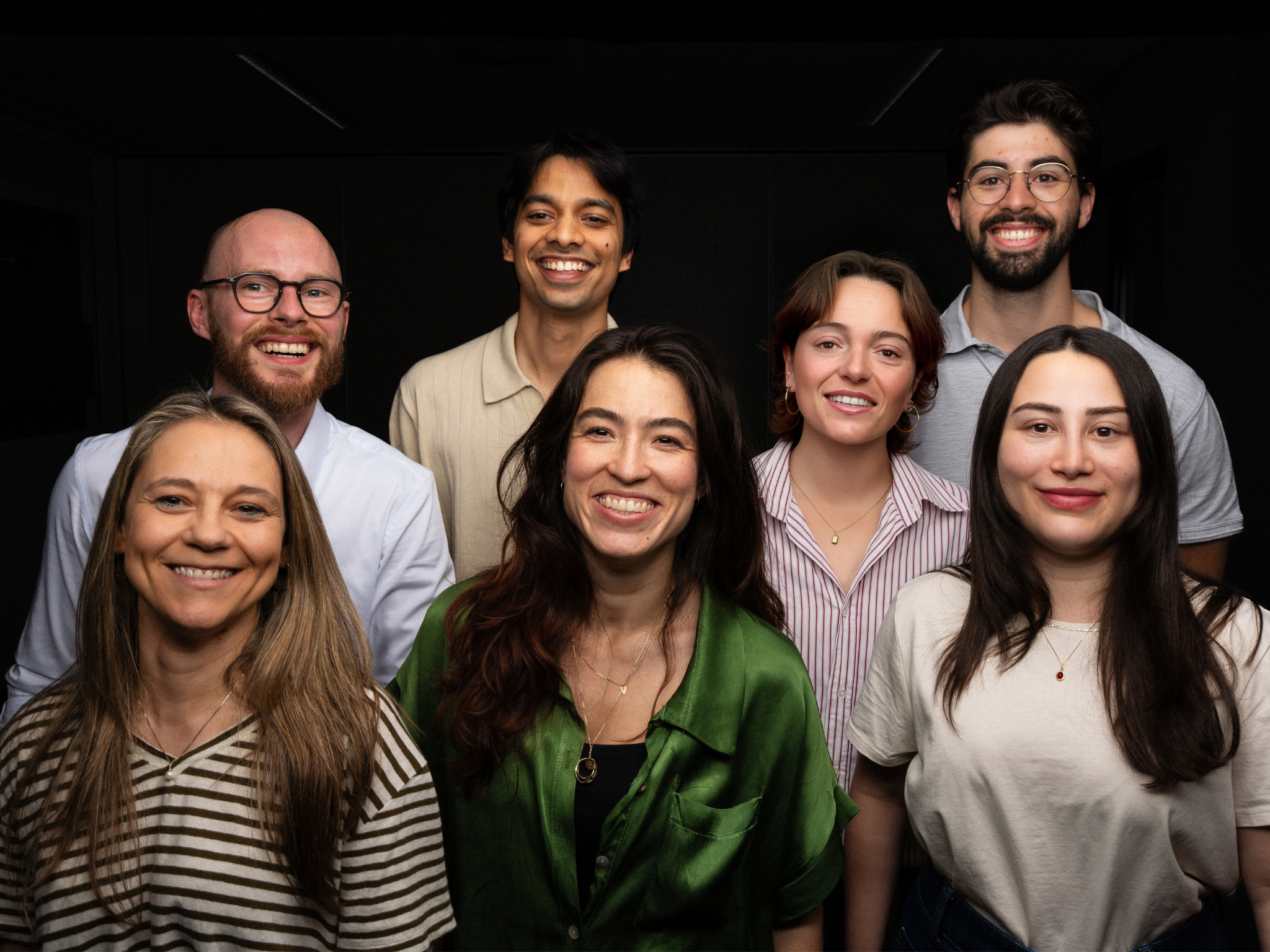
Dutch deep-tech startup New Dawn Bio has raised €2.1M ($2.4M) in pre-seed funding for its cell-culture technology to grow deforestation-free wood.
Cultivated proteins and fats have entered mainstream conversations, but using cell culture technology to produce alternative materials remains a nascent field.
For instance, some companies are making cultivated leather, and others are making lab-grown cotton. Now, a Dutch startup has piqued investors’ interest in its technology to grow wood in bioreactors using tree cells.
Based in the Netherlands, New Dawn Bio has closed an oversubscribed €2.1M ($2.4M) pre-seed financing round to advance its technology. It was led by CapitalT, with participation from Norrsken Evolve, Ontdekkers Group, and a group of angel investors, including Jelle Prins.
“Wood has been a pinnacle to mankind for millennia, yet we still haven’t figured out a better way than to cut rectangular boards and beams from round tree trunks,” said CEO Tom Clement, who co-founded the startup with COO Kianti Figler in 2024.
“For the first time in history, we can now grow pre-shaped premium wood. This funding lets us turn our breakthrough into a product that industries can actually use.”
Why New Dawn Bio is growing wood in bioreactors
New Dawn Bio is looking to solve a critical problem in the materials sector. We use around four billion cubic metres of wood every year, either for fuel and energy generation, construction, furniture, or pulp and paper products.
But around 30% of all tree species are on the brink of extinction, as rampant deforestation undermines ecosystems and the stability of Earth’s climate systems. Deforestation accounts for 11% of global greenhouse gas emissions (over five times the aviation industry’s impact).
A recent study showed that burning wood for energy generation could actually be worse for the planet than burning gas, even when the resulting emissions are captured and stored. Meanwhile, forest loss generates 8.1 gigatonnes of carbon emissions per year, higher than shipping, aviation and road traffic combined.
Premium wood is obtained from some of the oldest and rarest tress, which take a decade to grow. This makes it difficult to procure these wood varieties, some of which are now illegal to harvest.
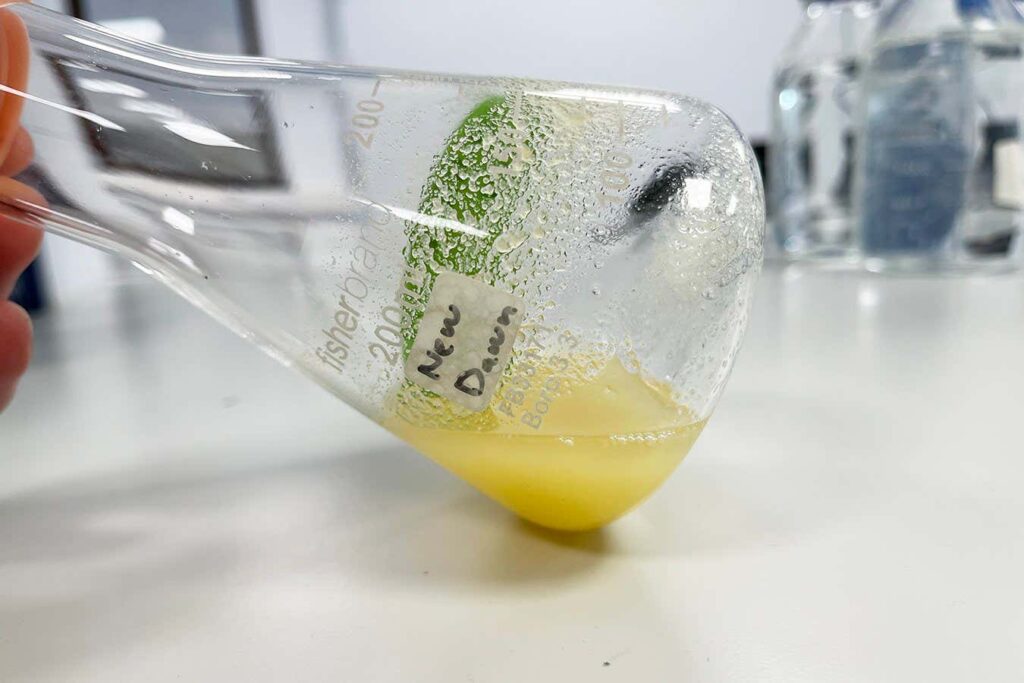
New Dawn Bio addresses this by harvesting stem cells from trees, multiplying them in bioreactors, and guiding them to thicken, harden, and adhere to one another, creating an interconnected tissue. The cells are given the same biological signals in the tanks as they receive inside a tree trunk.
By employing additive manufacturing rather than subtractive sawing, the material can be grown directly into the shape of the desired end product. The resulting premium wood is grown in days instead of years, with the startup noting that its process is 10,000 times faster than conventional forestry, and requires no logging.
Funding will advance AI-powered cultured wood development

New Dawn Bio’s shaped-wood process can reduce the cost of goods sold by 80%, and by growing wood to precise shapes and specifications, it eliminates waste from sawing, routing, drilling, and glueing.
Further, the startup’s cell-cultured wood can replace fossil-derived polymers in high-end industries, thereby further lowering the industry’s environmental impact.
Speaking of which, the world loses 5.3 million hectares of tropical forest each year, so by producing wood in bioreactors, New Dawn Bio saves up to 2.1 gigatonnes of direct emissions annually, not to mention it preserves forests that host over half of Earth’s biodiversity.
The company is building what it calls a “deep-engineering organisation”, integrating artificial intelligence (AI) to accelerate data analysis and enable higher throughput, all while keeping biology at the core of its mission.
The new capital will help advance product development of its lab-grown wood and expand its interdisciplinary R&D team, which spans cell biology, materials engineering, physics, and process engineering.
“Tom and Kianti have assembled a world-class team tackling a problem that is both massive in scale and largely overlooked,” said Janneke Niessen, founding partner at CapitalT. “Cultured wood has the potential to transform entire supply chains while making a meaningful contribution to the planet.”
Elsewhere, scientists at the Massachusetts Institute of Technology have previously unveiled a technique to generate wood-like plant material in a lab, enabling the growth of products without cutting down trees. Through 3D bioprinting techniques, the material can be tuned into shapes and sizes not found in nature.