

Netherlands Inaugurates World’s First Cultivated Meat Farm
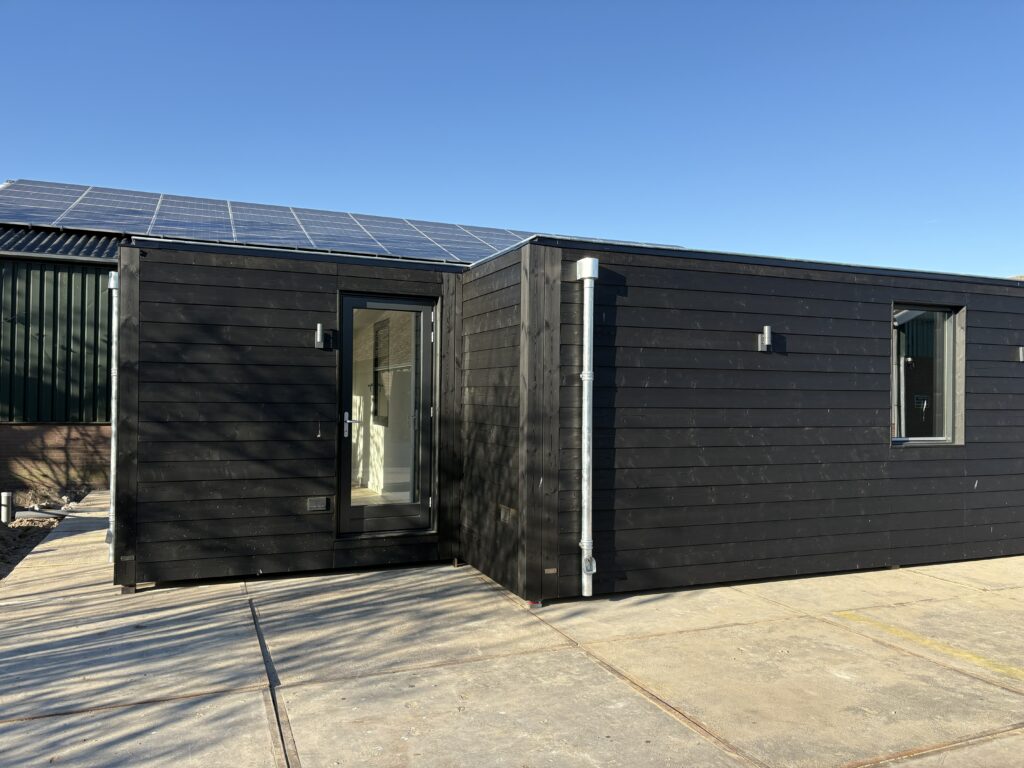
RespectFarms is officially inaugurating the world’s first cultivated meat farm this week, which is built on an existing dairy operation and features an experience centre.
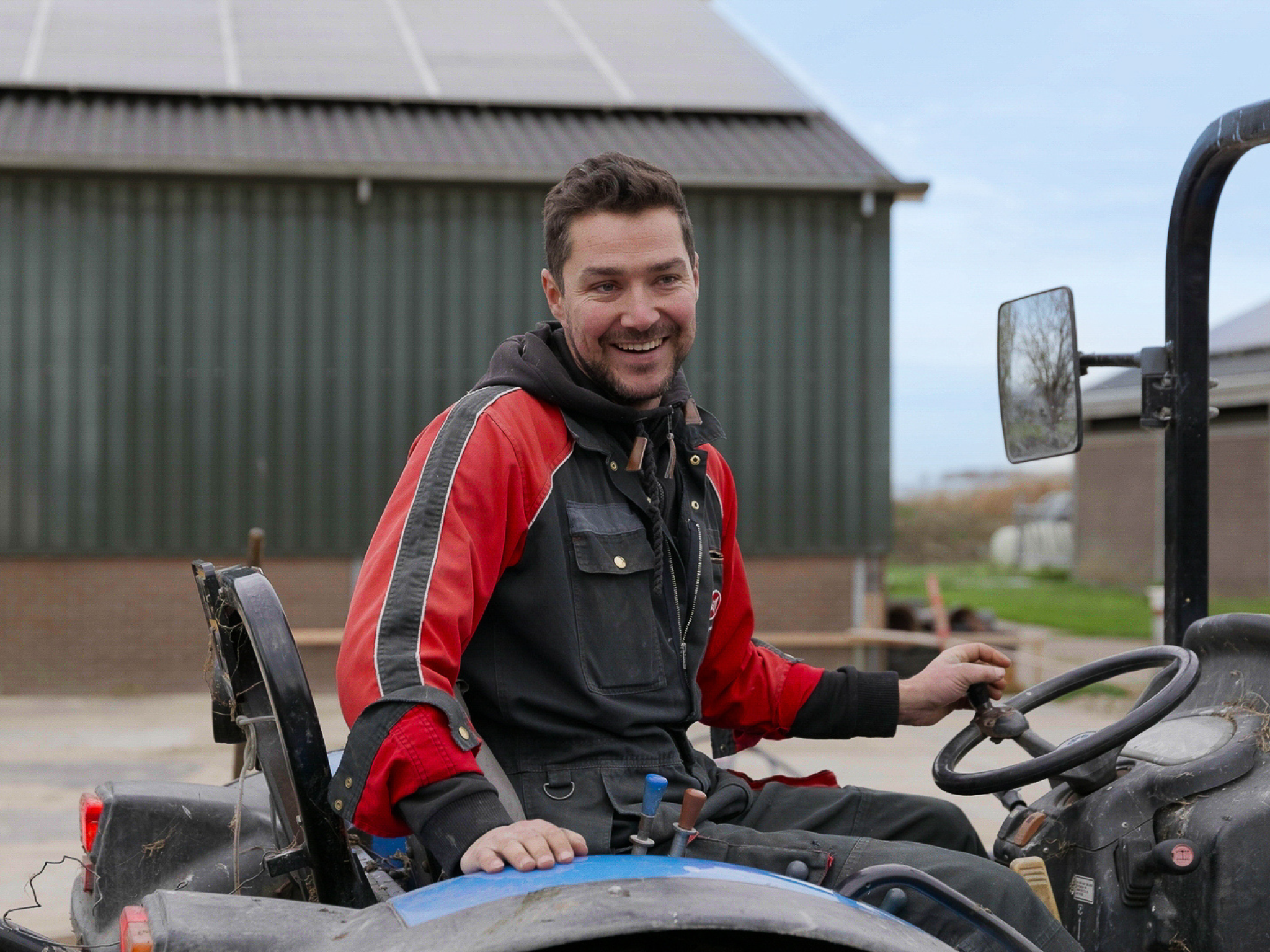
Seven months after installing cultivated meat units on Corné van Leeuwen’s dairy farm in South Holland, RespectFarms is finally ready to inaugurate the facility.
On Friday, the Dutch systems integration firm will officially launch what is the world’s first cultivated meat farm. Situated in Schipluiden, the project explores a decentralised, farm-integrated model for cell-cultured protein production, instead of exclusively relying on large, centralised facilities.
The site is a result of years of development and collaboration between RespectFarms, van Leeuwen, and several ecosystem partners. The effort has been financially backed by the European Innovation Partnership for Agricultural Productivity and Sustainability (EIP-Agri) and the South Holland province.
Scale-out approach supports income and knowledge generation
“We’re building a model where farmers remain at the centre of food production, not replaced by factories,” said RespectFarms co-founder Ira van Eelen. “This project is about exploring how farmers can participate in and help shape the future of cultivated meat.”
The scale-out model being championed by this project introduces advanced agritech to farms, supporting innovation, income diversification, and locally rooted food production.
It generates new knowledge and opportunities for livestock producers and policymakers, and boosts the economic foundations of rural communities. The approach will enable farmers to produce more meat with fewer cows, without slaughter, safeguarding them against any disease risks.
After the placement of the pilot farm last year, the inauguration marks the next phase of the project. The site has its first proof points and will open as a place for demonstration, engagement and discussion around the future of agriculture and cultivated meat production, according to RespectFarms.
The organisation is part of the Craft (Cellular Revolution in Agriculture and Farming Technology) Consortium, alongside Wageningen University & Research, cultivated meat firms Mosa Meat, Aleph Farms, and Multus, sustainable agriculture company Kipster, and facility design specialist Royal Kuijpers.
Together, the consortium has been awarded a €2M grant, co-funded by the EU-backed accelerator EIT Food, to build the cultivated meta farm.
Cultivated meat production can be a boon for farmers
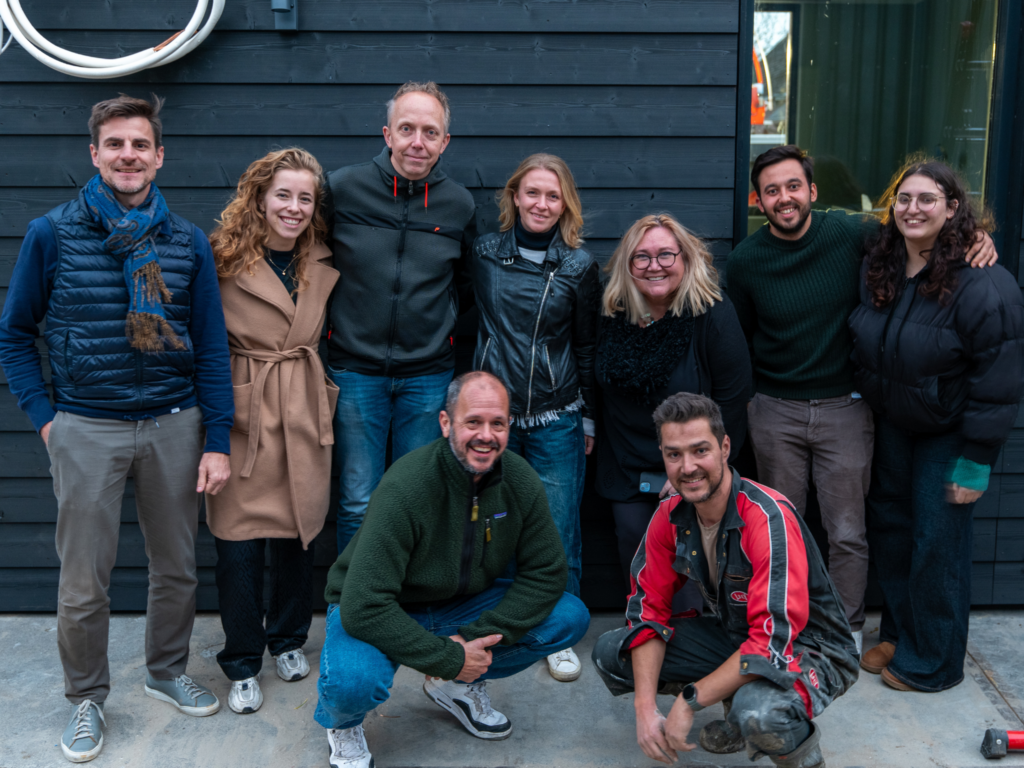
The inauguration of the farm will convene stakeholders from the agriculture, science, innovation, investment, policy and media sectors, featuring presentations, farmer perspectives, guided tours and the official ribbon-cutting ceremony.
It will come a day after RespectFarms hosts its first annual Cell Farmers Symposium in collaboration with the South Holland province, exploring how farmers can benefit from the rise of cellular agriculture and remain at the centre of food production.
The new facility will demonstrate how cultivated meat production could become an additional business model for farmers. Policymakers have been citing threats to farmers as the drivers of legislative restrictions and bans on cultivated meat.
However, research shows that farmers recognise the opportunities presented by cultivated meat and have opposed such bans on them, noting that they don’t need the government’s help to compete with these proteins.
Consumer organisation Euroconsumers has also suggested that small-scale on-farm cultivated meat production “can offer opportunities for farmers“, as long as we “keep things fair and make sure benefits don’t just go to a few big players”.
Van Leeuwen’s farm will house an experience centre for farmers, policymakers, researchers, students and citizens to engage directly with cellular agriculture technology and explore broader questions about future food production.
“RespectFarms brings a global challenge back to farm scale,” said Ralf Becks, co-founder of RespectFarms. “And once it works, we can scale it out to create impact internationally.”