

Oatly Invests $16M in Swedish Factory to Boost Capacity Amid ‘Growing Demand’ for Oat Milk

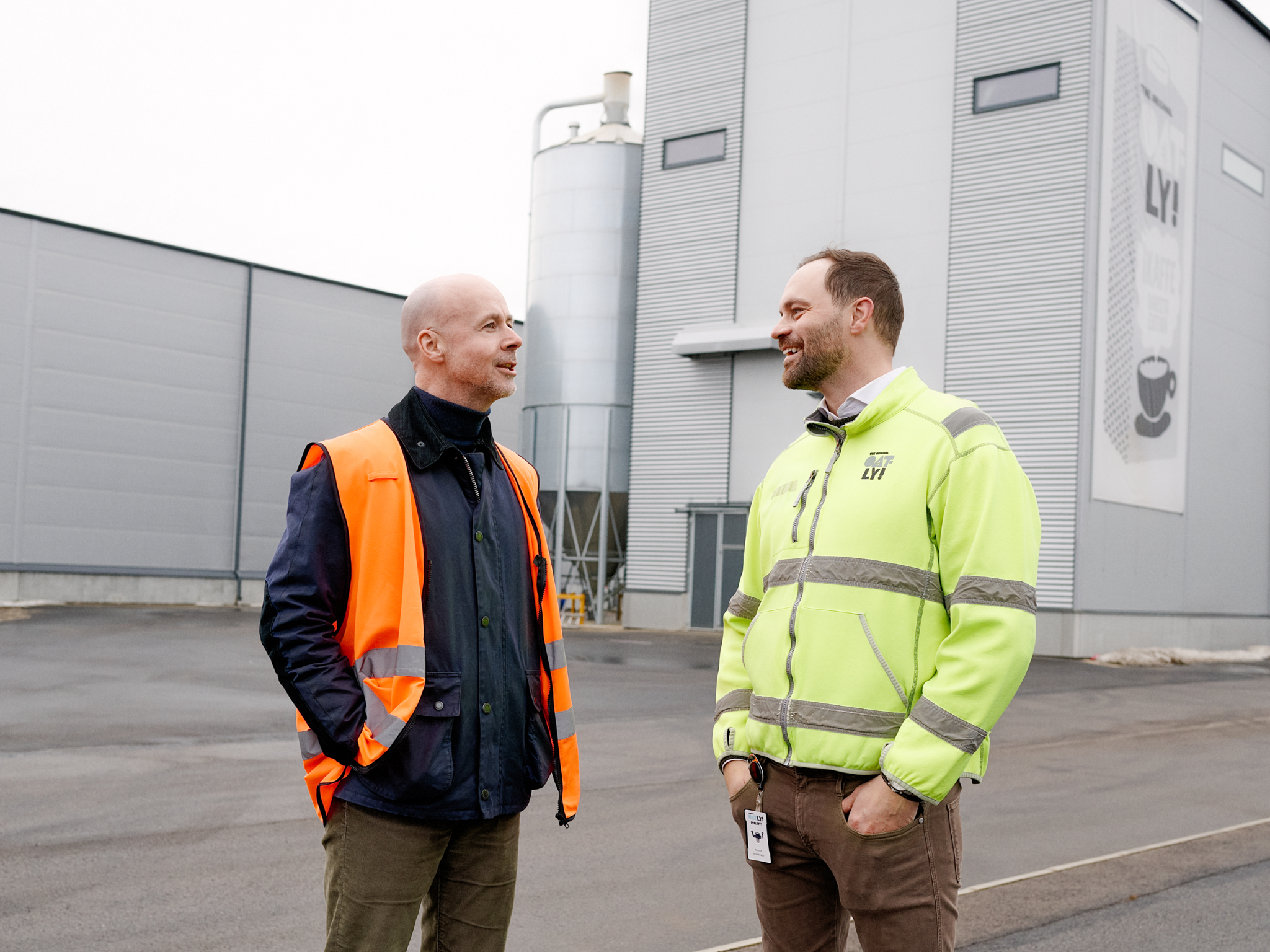
Swedish oat milk pioneer Oatly is pumping $16M into its Landskrona facility to expand capacity by over 33% and meet the accelerating demand for its products, while lowering its climate impact.
After a milestone year in 2025, when it turned an annual profit for the first time, Oatly is building on the momentum with a multi-year investment to scale up its oat milk production.
The company is putting $16M into its plant in Landskrona, Sweden to boost the annual manufacturing capacity by more than 33%, from 150 to 200 million litres, all within the same physical footprint.
Construction work will begin this month, and is set to be completed by March 2027. The expansion of the 20-year-old factory, which runs entirely on renewable energy, will reduce the climate impact of Oatly’s operations across three key areas in 2026 and 2027.
Landskrona expansion will accelerate Oatly’s climate strategy
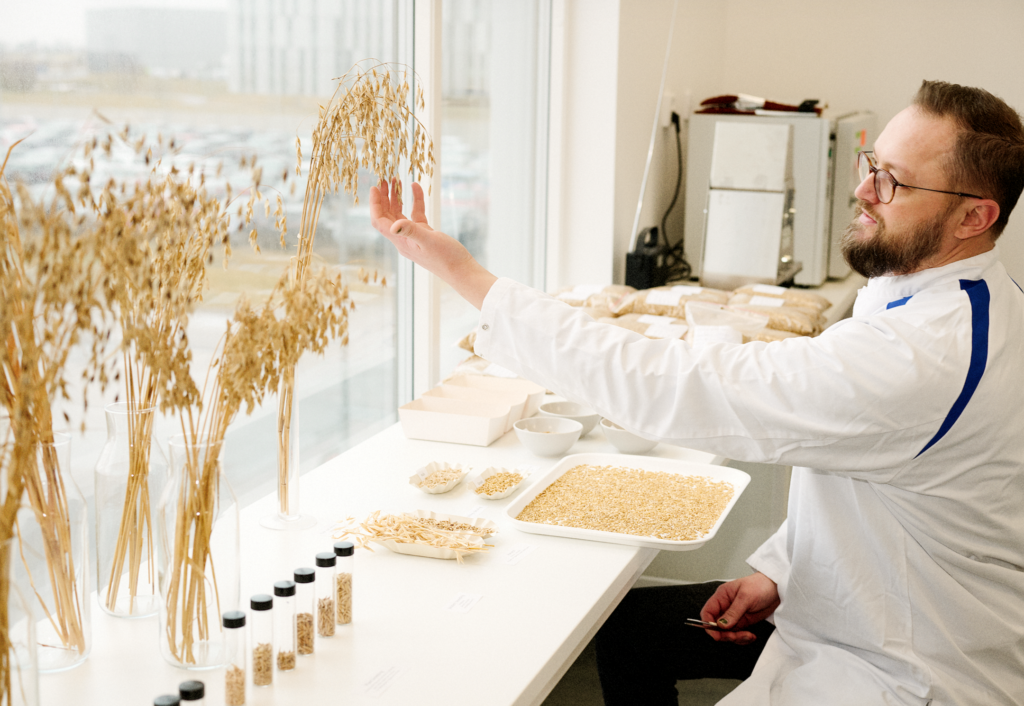
The expansion of the Landskrona plant was first announced as part of Oatly’s 2025 earnings report, which identified this project in the company’s expected capital expenditures for 2026.
“The Landskrona factory is a key site for us, not only because of our roots in Sweden, but also because it’s a fully owned, end‑to‑end production hub and home to many of our core functions,” said Simon Broadbent, senior VP of sustainable operations at Oatly. “You can think of it as one big oat campus.”
The scale-up at Landskrona will see Oatly source more oats from Swedish farmers and achieve efficiencies in ingredient sourcing and the distribution network. Together with its renewable energy procurement, the project is set to lighten the company’s planetary impact.
This is crucial for the business, whose corporate emissions increased by 15% in 2024, largely due to its move to buy Finnish oats, which are more carbon-intensive, in response to rising costs and supply disruptions of Swedish and British varieties.
Last year, Oatly was named the world’s first climate solutions company in the food and beverage category. To be certified, it had to prove that 90% of its revenue comes from climate solution products, have a near-term emissions target and a net-zero goal covering scopes 1, 2 and 3, disclose its progress annually, and be working more broadly to transform its sector.
It attained the certification following the launch of its updated global sustainability strategy, which outlines measures to reduce its emissions by 89% by 2050 (from a 2020 baseline), and counterbalance its remaining emissions with permanent removals moving forward to contribute to a net-zero society.
Its plan involves a shift to regenerative agriculture practices, lowering food waste and avoiding landfills, rolling out pay transparency initiatives for employees, investing in farmer access to technical assistance, and sourcing fully renewable or recycled materials for its packaging.
Oatly witnessing rising demand for oat milk in Europe

Currently, exports account for 70% of the volume produced at the Landskrona facility. Following the refurbishment, they’re set to rise even further to meet increasing demand for Oatly products in leading countries like Germany and the UK, as well as expansion markets such as France and Spain.
“We’re seeing growing demand for our products, so the time is right to upgrade our Landskrona site, which has performed fantastically well in recent years, both in stability of output and outstanding cost management,” said Broadbent.
After a period of declining sales, demand for plant-based milk has returned in Europe, rising by 6% in the last 12 months, according to Nielsen analysis cited by Oatly.
This has been fuelled by the oat milk maker’s strong performance. It delivered double-digit growth in the region over the same time period, with the out-of-home and foodservice channels expanding by more than 20%.
It followed Oatly’s push into new consumption categories, including new barista edition flavours like popcorn, vanilla and caramel, ready-to-drink offerings such as a matcha latte, as well as the Oatly Baristamatic, designed specifically for automatic coffee machines.
The expansion at Landskrona is a departure from the firm’s manufacturing struggles over the last year. It abandoned the construction of factories in the US, the UK, and China in 2023, while selling two of its US plants as part of a hybrid manufacturing partnership with Ya Ya Foods Corporation. A year later, it closed its Singapore facility as part of its asset-light strategy to drive profitability.
Globally, the company’s revenues reached $862.5M last year, a 4.7% improvement over 2024. CEO Jean Christophe-Flatin celebrated how Oatly had moved from “structurally unprofitable with slowing growth to a company that is now structurally profitable with accelerating goals”.