

Pharma, Mouthfeel & Anti-AI: Oatly Releases 2026 Future of Taste Trends Report & New Lookbook

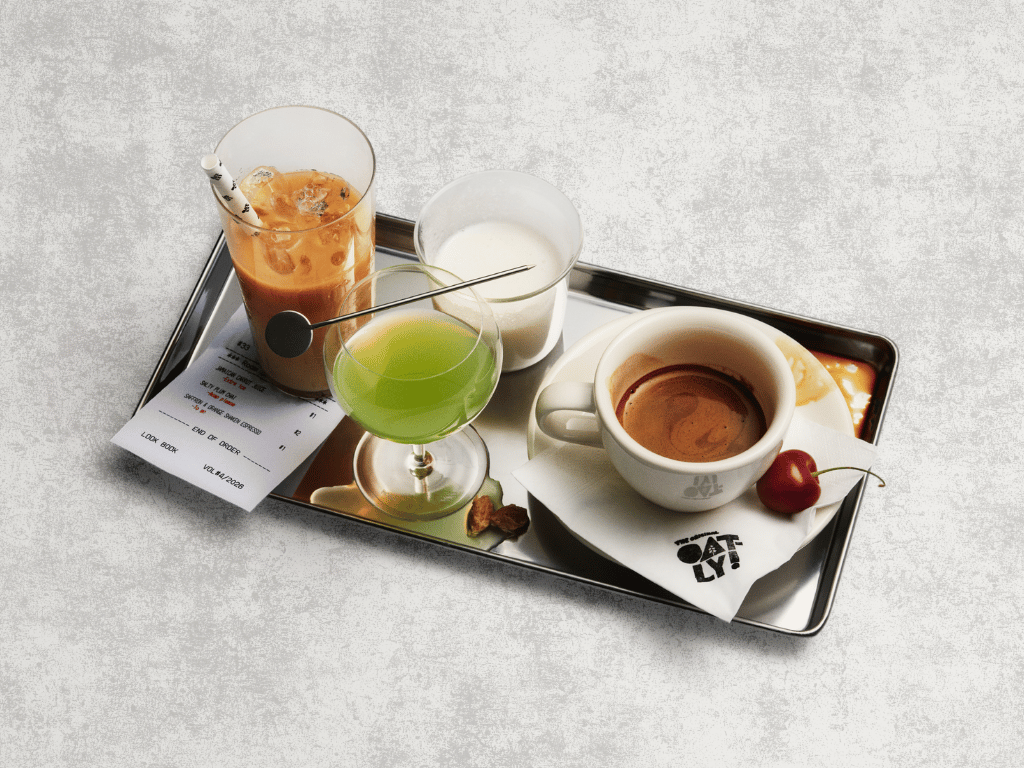
Swedish oat milk pioneer Oatly has published the latest editions of its Future of Taste report and recipe lookbook, highlighting trends like medicinal drinks, wellness ingredients, chewy textures, and human connection.
Out with flat whites, in with the kombuchas.
That’s one of the headline trends in Oatly’s 2026 Future of Taste report, which distils the beverage industry’s directions for the upcoming year based on insights from over 200 baristas, mixologists, café owners and drink experts across 21 countries.
The oat milk giant published its first report last year, highlighting trends like fibremaxxing, matcha, decaf, and flavours inspired by the East. It was complemented by the rollout of seasonal recipe lookbooks modelled on the fashion industry, as part of the company’s bid to Gen Z-courting flavour-first strategy.
The new report points to an overhaul of coffee shop menus, as consumers seek botanical and fermented ingredients, non-coffee and -tea options, and texture plays (think coffee jelly).
“This year’s Future of Taste Report makes one thing very clear: people are expecting a lot more from their drinks. They want more excitement, more texture, and more functionality,” says Rowena Roos, head of food and drinks experience at Oatly. “From wellness drinks with real personality to global flavours, playful textures and cafés at the core of actual human connection, menus are becoming far more expressive.
The company’s latest Future of Taste report dovetails with the launch of its fourth lookbook, which applies its trend predictions to drinks such as an olive sour, a coconut pandan cloud, a goji berry Mont Blanc, a preserved lemon matcha, and a blue aloe refresher.
The fashion-inspired, taste-led strategy has helped Oatly overcome a turbulent period for the business, which achieved its first full year of profitability in 2025 and has raised its forecast for 2026 following continued growth. Now, the Nasdaq-listed firm plans to evolve into a “full-on” beverage company.
Here are Oatly’s beverage trend predictions for 2027.
1) The pharmafication of drinks
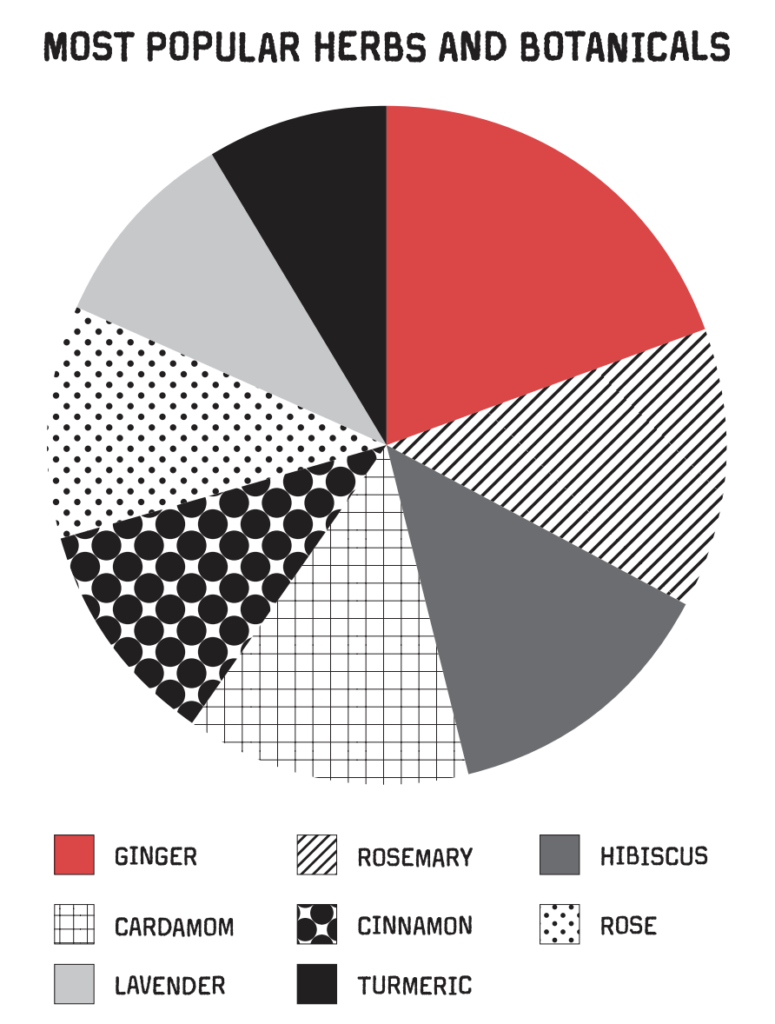
Extending the food-as-medicine concept to drinks, Oatly’s research finds that cafés are resembling “18th-century pharmacies” as people look for “medicinal, functional, preventative, therapeutic and bioactive” drinks.
That is giving rise to herbs, botanicals, and fermented ingredients as consumers prioritise wellness, back-to-nature rituals, and “shamanic” compounds in the face of pandemics, climate change, and artificial intelligence (AI).
Pharmafication is, by far, the top taste trend for 2027, according to the experts interviewed in the report, 40% of whom called out herbs and botanicals as key to the future of flavour, with ginger, hibiscus and lavender among the most commonly cited ingredients.
Within fermentation, kombucha still dominates, but other traditional drinks are bubbling up too, including tepache from Mexico, kvass from Eastern Europe, and Şalgam from Turkey.
“I think we will see more ingredients connected to nature, fermentation and regionality: herbs, flowers, botanicals, tea, fermented fruits and local ingredients. People are becoming interested in flavours that tell a story,” says Lara Sosner from Germany’s Forkk Studio.
This trend materialises in Oatly’s lookbook through drinks like the goji Mont Blanc, jujube matcha, and Orchard Elixir (a clarified chai with apples, chestnuts and verjus).
2) The great café reconnection
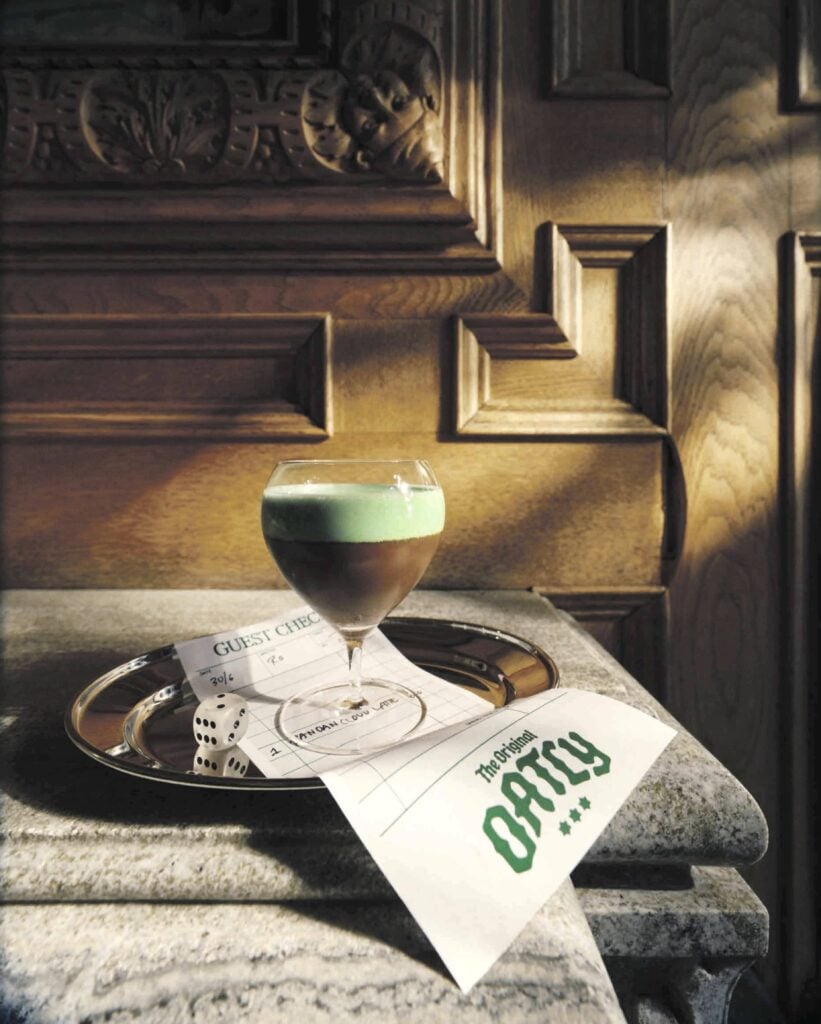
AI is fuelling a demand for renewed community. Oatly notes how screens and algorithms have re-tuned people’s idea of powerful luxury, making cafés a “vital third space for human connection”.
Experts believe AI and automation may improve the consistency and quality of coffee, but these technologies shouldn’t replace the human connection the industry is built upon. In fact, 51% say belonging, community or connection will be central to the future of coffee shops.
“AI is going to take over people’s desktops, and a lot of people are working remotely. There’ll come a day where a lot of people go the whole day and only speak to AI,” suggests Sooji Im, founder of London matcha house Tokkia. “The way we’ve evolved, we need real experiences – people are going to want real things. It might be the one human interaction they have in a day.”
Cafés and bakeries, especially independents, are filling the gaps left by the decline of late-night venues in countries like the UK. More such spaces breed more opportunity for new communities to develop within them, each with its own language, rituals and icons.
“It’s very much a generational thing,” says Dan Frommer, founder and editor of business publication The New Consumer. “Younger people really identify in many ways through their beverage brands.”
3) The end of the flat white?
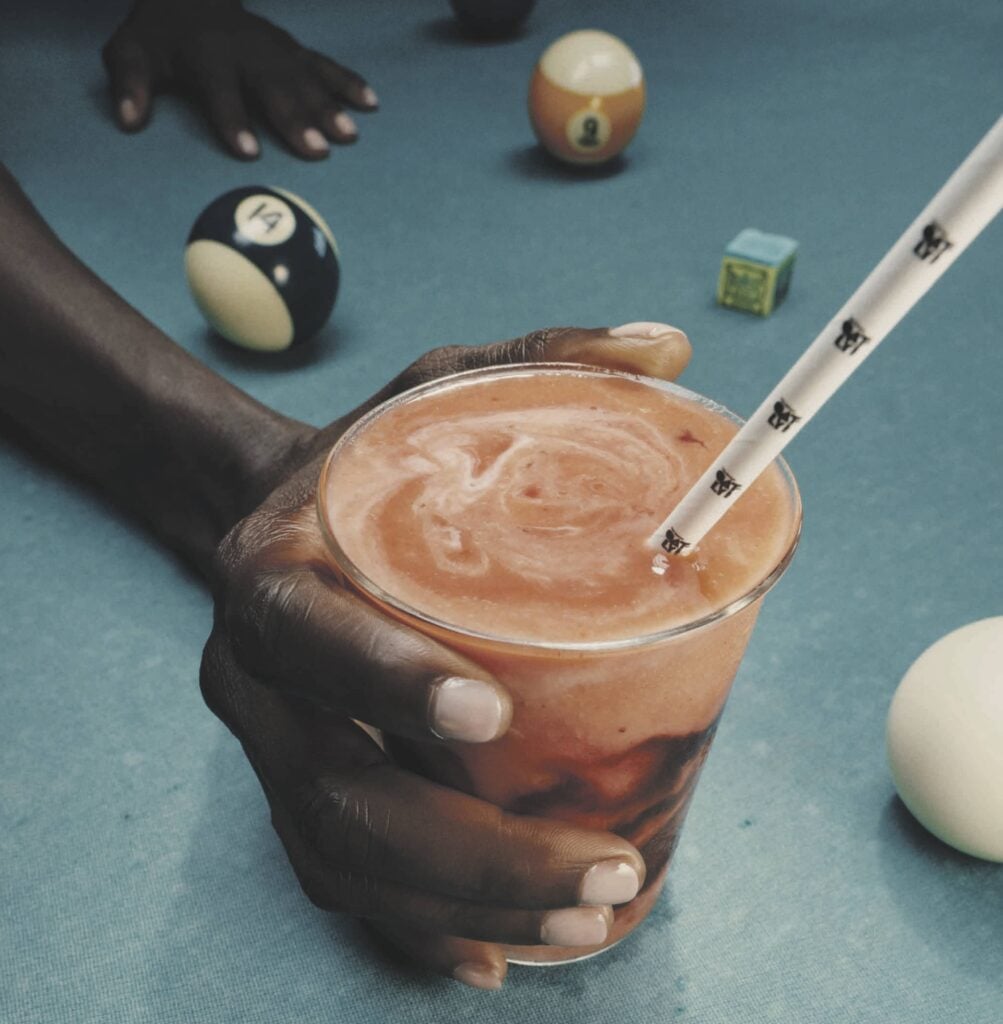
In Oatly’s research, 82% of baristas and café owners mention drinks that are neither coffee nor tea, indicating that these are no longer the only drink formats vying for space on menus. The report terms this the “matcha effect”.
“This generation of people that go to a café don’t want the usual stuff,” says Jean Renzen of Papan, a Dutch microbakery and specialty coffee shop. “They want something out of the ordinary, something they can tell their friends about.”
It’s why, in 2027, cafés will be competing with each other not on coffee, but on their ability to surprise. The top five emerging ingredients mentioned by interviewees are all from East or Southeast Asia – ube, for example, is mentioned twice as often by baristas as the flat white or the cappuccino.
Refreshers, botanical sodas, fermented drinks, hojicha, coconut and hibiscus are also finding their way onto menus, as one in four experts name wellness the top influence on new flavour trends.
Aesthetics are highly important, too. The colour of a beverage and what it’s served in are driving experimentation, as social media feeds get filled with green, blue and purple drinks.
Oatly is tapping into this trend with a host of drinks in its latest lookbook, from a pink coconut smoothie and an olive sour to a Jamaican carrot juice and a malted coconut hot chocolate.
4) The squishy boom
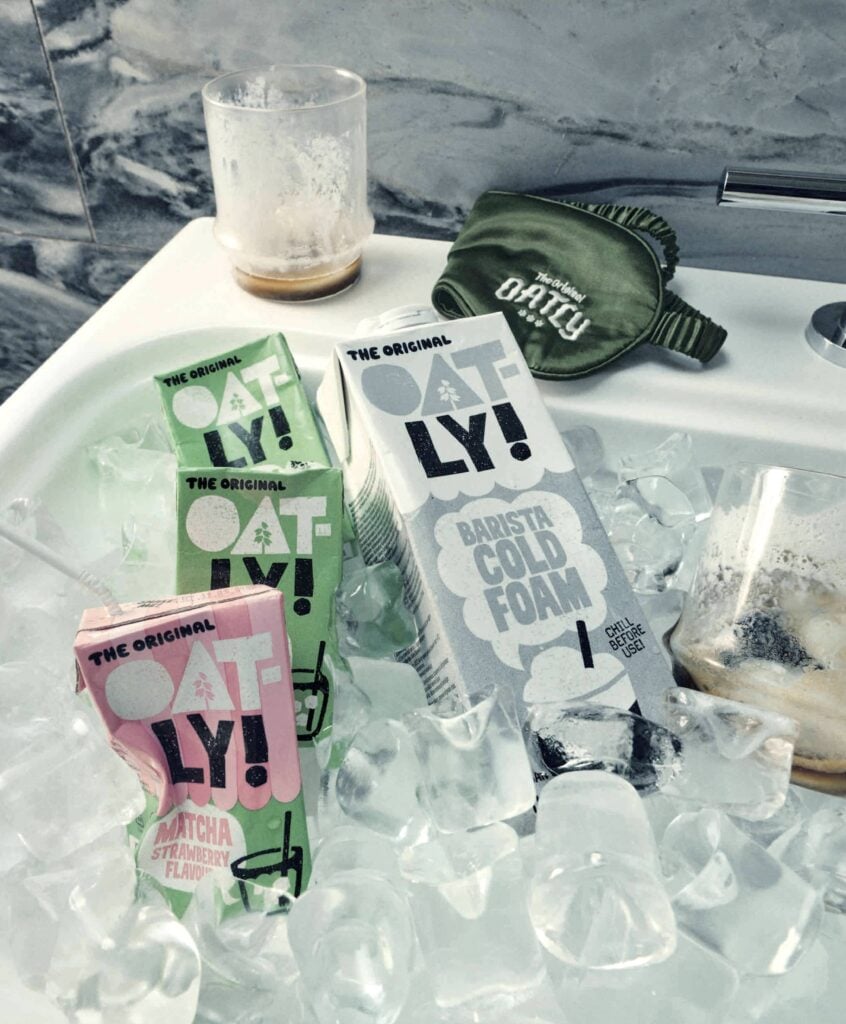
Are you a texture girly? Nearly three-quarters (72%) of global experts believe mouthfeel is becoming just as important as flavour, and more than a quarter specifically call out foaminess – that bodes well for Oatly, which became the world’s first company to launch a dedicated non-dairy milk for cold foam earlier this year.
The oat milk maker points out how your latte may not be creamy anymore. It could be “fizzy, jellied, foamy, crunchy, or even all four at once”. And the continued influence of the East is a big factor here, sparking a wave of innovation to turn drinks into multisensory events.
“Social media has accelerated demand for visually and texturally distinctive beverages,” says Cris Benavente, head of green coffee at Blacksmith Coffee’s UAE arm. “Creamy foams, fruit pieces, jelly inclusions, layered drinks, lightly carbonated textures and unique mouthfeels that create memorable experiences.”
According to data by CultureLab, terms like ‘fizzy’, ‘foam’ and ‘chewy’ experienced a 9% hike in impressions in food and drink culture in the first half of 2026 over the latter six months of last year. Again, looks matter here. Texture and flavour are two aspects, but 37% of interviewees say the appearance of a drink is integral to its appeal.
Notably, Oatly believes the GLP-1 boom will further fuel this texture trend, as people reducing food intake seek out more interesting and diverse drinking experiences.
All this has made plant-based a “texture playground” – whether a drink has dairy or non-dairy ingredients is “redundant news” in today’s landscape. People just want whatever creates the best texture, a space Oatly is targeting with its cold foam milk. “Overall, we’ve reached a point where dairy is not the obvious answer for every kind of creaminess exploration in different beverages,” says Frommer.
So how does this trend show up in the fourth volume of Oatly’s lookbook? It’s the olive oil cold foam in the olive sour, the coconut panna cotta in a layered Thai tea drink, the dual foam in the mango-chocolate cloud, and the espresso-date paste in the salted date latte.
“It’s been exciting to hear how many creators see oat drink as a brilliant starting point for that creativity, allowing baristas and café teams to build drinks people don’t just order but remember,” says Roos.