

Beyond Taste or Health, Plant-Based Meat Faces Barriers from Nostalgia & Cultural Traditions

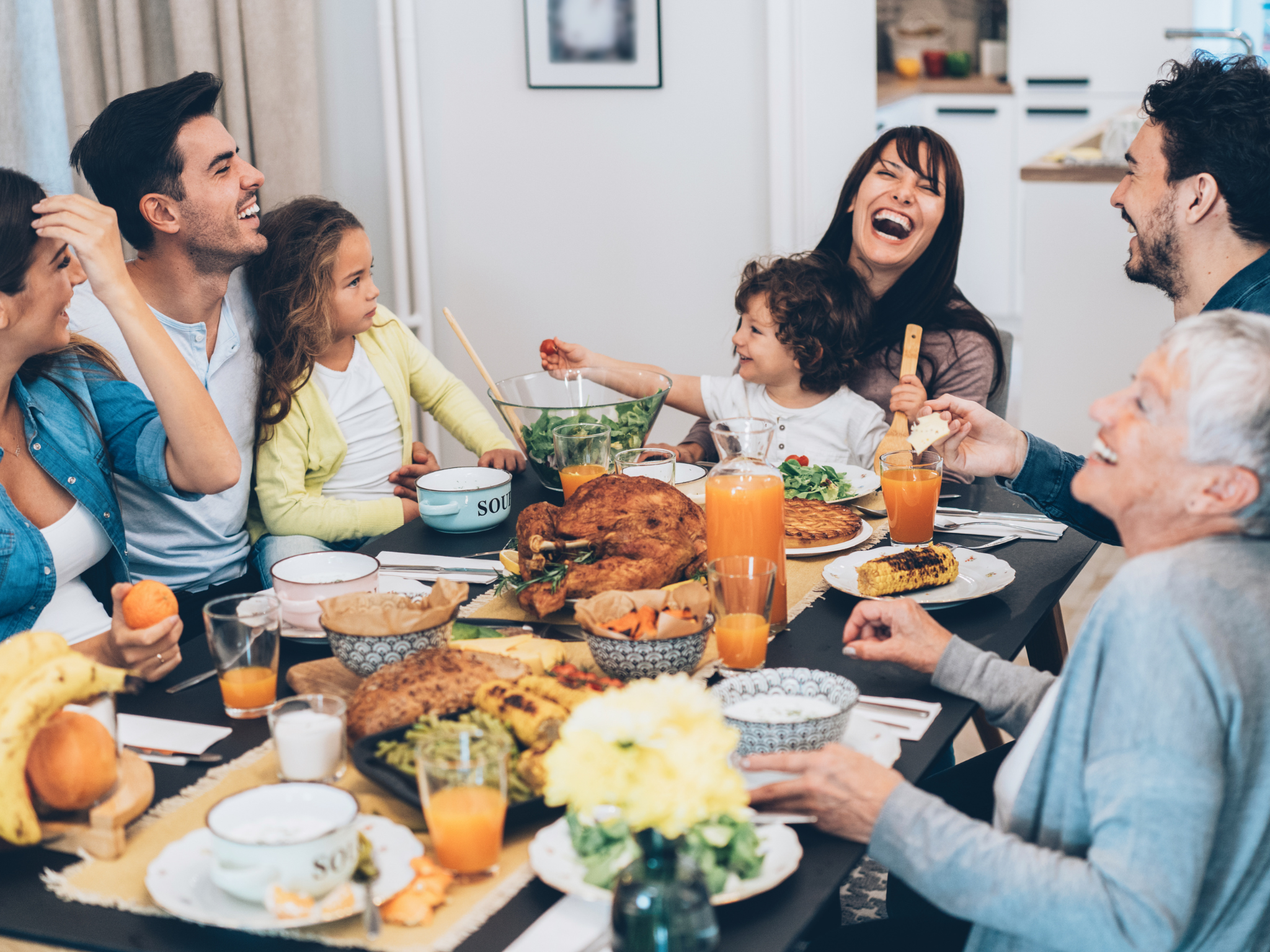
People’s personal experiences and family traditions are major hurdles to wider adoption of plant-based diets, a new study has found, highlighting a need to consider dietary choices “within their broader social and cultural context”.
Plant-based meat is too expensive, too processed, or just doesn’t taste that good – these are amongst the most common arguments you’ll hear people make when describing what makes these products unappealing to them.
According to a new study by the University of Stirling, there’s more to the resistance than the food’s nutritional or sensorial aspects.
“We found that participants’ attachments to traditional foods were often linked to collective memories, family gatherings, and cultural traditions in which those foods were embedded, rather than the consumption of the food itself,” the researchers wrote in Psychology of Human-Animal Intergroup Relations.
They noted that efforts to encourage people to eat plant-based food often focus on health, ethics, or the environment, while overlooking personal and social connections to food. Could that be the missing link?
The three primary themes of nostalgia

The study employed a qualitative research design with 24 regular meat-eaters, exploring their attitudes and memories related to food. The data was then analysed using a technique called reflexive thematic analysis.
This method embraces the positionality and lived experience of the researchers. Based on this, they identified patterns in the data and developed themes to explain their findings.
The data analysis revealed three primary themes: the traditional role of meat-based dishes in a sense of home, negotiating friends’ and families’ attitudes toward change, and cooking meat more for symbolic memories than for the food itself.
Many described nostalgic experiences as time shared together, with food rituals remembered from childhood. Some made a clear distinction between trying new plant-based meals and replacing nostalgic traditional food. Others expressed a lack of value and enjoyment in taking part in social gatherings without the latter, and that vegan alternatives did not elicit the same emotions.
Some participants raised concerns about their family members’ willingness to accommodate a plant-based dish preference during home visits, and many feared that their dietary choices could disrupt familial routines and shared experiences.
Along similar lines, communal consumption of animal proteins was considered integral to many cultural traditions. For instance, nostalgic foods – like turkey at Christmas – were strongly linked to family gatherings, celebrations, and cultural identities.
“Social pressure and emotional disconnection at the dining table during traditional celebrations can negatively impact acceptance of vegan practices among those who follow a vegan lifestyle, underscoring the need to consider dietary choices within their broader social and cultural context,” the study stated.
This is why, the researchers argued, changes in dietary habits “cannot be fully understood without recognising the symbolic and interpersonal significance of food”.
Community initiatives and targeted marketing campaigns could help overcome hurdles

Despite these barriers, when the participants were asked to reflect more deeply, many became more open to plant-based alternatives, especially if those foods could recreate the social experience or emotional meaning.
The research also found that friends were seen as more flexible and accommodating of plant-based diets than family, and that traditional food practices were harder to change and had a greater potential for conflict.
“Our research shows that dietary change is not just a practical or nutritional issue. Food is tied to identity, belonging, and family life, so vegan advocacy, activism, and public health messaging needs to engage with those emotional and cultural attachments,” said lead author Aga Kosla.
“This study highlights that resistance to plant-based diets is not simply about taste or convenience, but about maintaining continuity with the past and preserving meaningful traditions. Interestingly, participants often realised that it was the shared experience, not the specific ingredient, that mattered most,” she added.
The researchers underscored the importance of organising community-based initiatives, like cooking classes and nutrition education, to help replace nostalgic foods with vegan options while easing the common feelings of loss.
Developing marketing campaigns that highlight the importance of shared food memories can be an effective tool. And exploring the psychological aspects of food nostalgia and their influence on dietary decisions among meat-eaters is critical to understanding attitudes towards the protein transition.
“Recreating nostalgic or culturally significant dishes using vegan ingredients can make dietary change feel more accessible. This could also help reduce the social barriers people face, particularly in family settings,” said Carol Jasper, a psychologist and primary supervisor for the project.
“Like culinary traditions from the past, the food of the future, crafted without the inclusion of meat and other animal-derived ingredients, may also evoke a sense of nostalgia and encourage the creation of new customs that can resonate with and enrich future generations.”