

Brazilian Soy Giants Abandon Amazon Conservation Pact, Raising Deforestation Fears

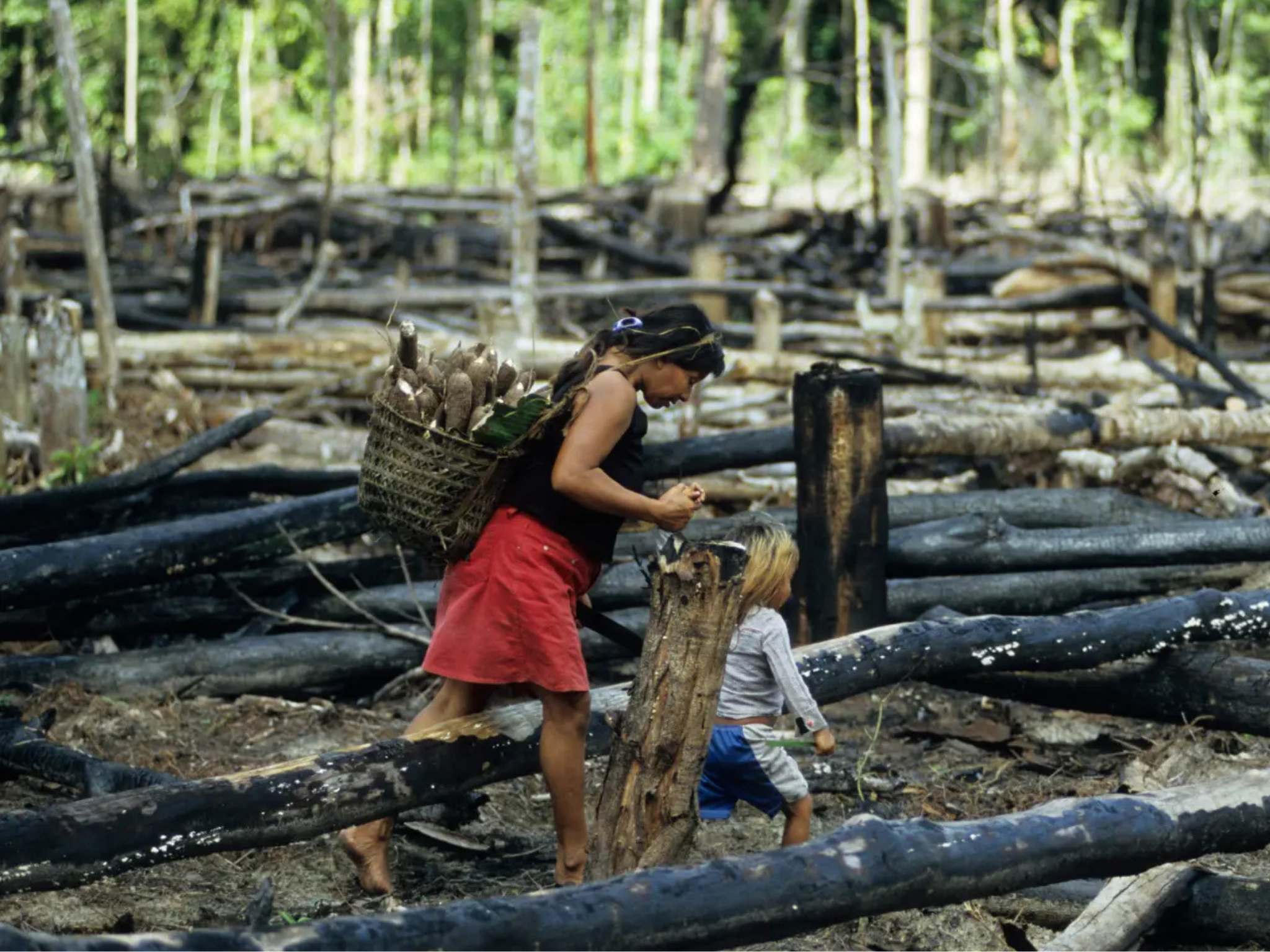
Animal feed companies have exited one of the world’s most important conservation agreements, the Amazon Soy Moratorium, thanks to a change in tax laws, putting large swathes of land at the risk of deforestation.
A 20-year agreement hailed as one of the biggest conservation success stories is on its heels in Brazil, leaving the Amazon vulnerable to rampant deforestation and going against calls to mitigate the climate crisis.
Abiove, a lobby group for some of the world’s largest grain companies, has announced that it is leaving the Amazon Soy Moratorium, a private sector agreement that bars signatories from sourcing soybeans grown on farms deforested after 2008 in the rainforest.
The move comes after a change in the tax law in farming state Mato Grosso, which grew 51 million tonnes of soybeans in 2025 (more than the entire output of Argentina). Starting January 1, the state has stripped tax incentives from companies participating in the conservation programme.
To preserve their tax benefits, members of Abiove – which include the likes of ADM, Bunge, Cargill and Louis Dreyfus – informed the state it was exiting the pact this week.
But the decision has been met with fierce criticism from green groups, who have warned that it could put vast areas of the Amazon at risk of further deforestation.
“There goes the rainforest, and one of the biggest conservation successes in history,” remarked Glenn Hurowitz, founder and CEO of Mighty Earth. He added that animal feed giants had “abandoned one of the most successful private sector nature and climate initiatives of the last two decades”.
Companies left to their own devices with conservation efforts
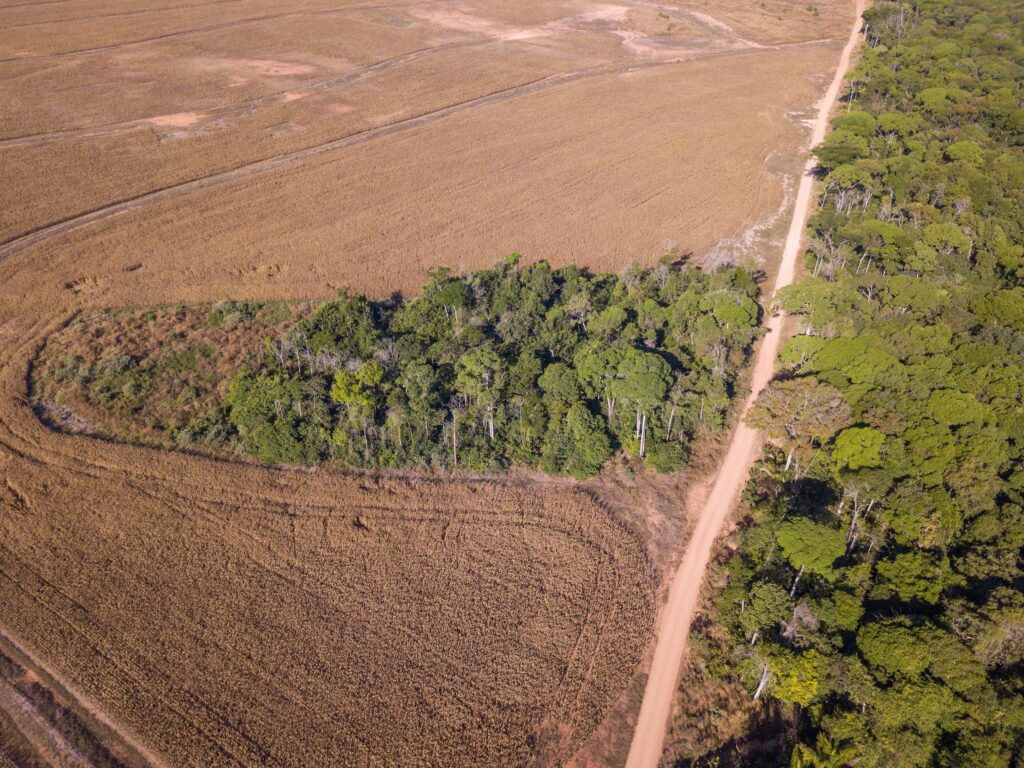
The Amazon Soy Moratorium was established in 2006 after chains like McDonald’s and supermarkets faced pressure from environmental groups, who protested against land clearing in the Amazon to grow soy for animal feed.
Bringing together farmers, environmentalists and food industry giants, the pact blocked farms that grew soybeans on deforested land from supply chains, regardless of whether the land clearance was legal in Brazil.
It is considered one of the most important efforts to slow down deforestation rates in the rainforest, having prevented an estimated 17,000 sq km of deforestation and enabled the expansion of soy production without the destruction of the Amazon.
“Within three years, deforestation for soy animal feed in the Brazilian Amazon plummeted to near-zero levels,” said Horowitz. “It also fuelled economic growth: chicken cutlets, hot dogs, and burgers raised with feed from the Brazilian Amazon lost their previous toxic reputation, and fast food chains and supermarkets were willing to buy from Brazil.”
While it has been a “legitimate green selling point for the meat industry”, it is now unravelling all that progress with the withdrawal. “The immediate rationale seems to be that the Brazilian state of Mato Grosso, under pressure from ag lobbyists, was planning to tax companies that adhered to the Moratorium. Yes, this is a very circular effort by agribusiness to shift blame,” Horowitz said.
Members of Abiove and around two-thirds of the companies that signed the Amazon Soy Moratorium no longer appear on its website, with Abiove noting that companies would be responsible for their own conservation commitments. “The legacy of monitoring and the expertise acquired over nearly 20 years will not be lost,” it promised.
A big blow to the Amazon, and a big win for the ag lobby
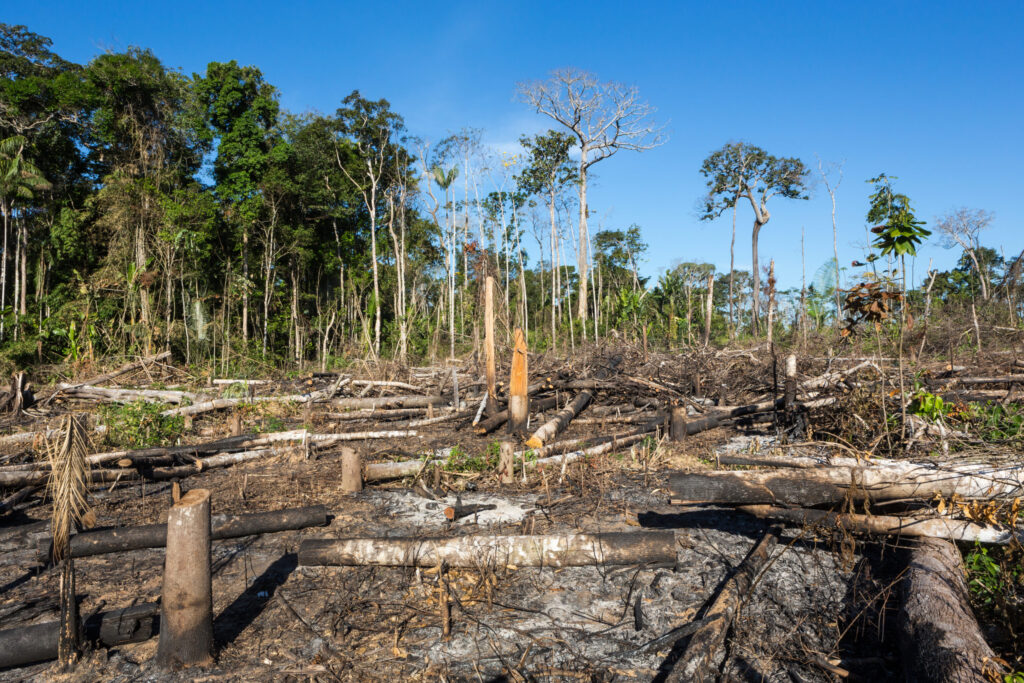
The withdrawal is a win for the farm lobby. One association, Aprosoja-MT, has been pressuring companies to end the pact for years, claiming it was illegal and unfair to farmers who comply with the Brazilian Forest Code, according to Reuters.
The country’s leftist government, which hosted the UN COP30 summit last month, has pledged an “ecological transformation”, but has faced an uphill battle against Brazil’s powerful farm lobby.
In 2025 alone, Congress loosened environmental licensing rules and passed a constitutional amendment that would limit protections for Indigenous lands. Native communities are the hardest hit by deforestation efforts, facing displacement and violence for decades.
The Amazon is home to half of all tropical forests and over three million species of plants and animals. But it is one of the world’s most heavily deforested areas, with 10-47% of its forests at risk of collapse by 2050.
In fact, the Brazilian part of the Amazon accounts for the majority of the rainforest’s deforestation, as well as 40% of global tropical deforestation. It is quickly approaching a tipping point: research suggests that up to half of the biome could pass that threshold by 2050, thanks to excessive water distress, land clearance and climate disruption.
Once known as the “lungs of the Earth”, it lost 13% of its first cover between 1985 and 2023, mainly for mining and farming. That is equivalent to an area the size of Germany and France combined, and has converted the rainforest from a carbon sink to a carbon source.
“The meat industry, responsible for more deforestation than the rest of agriculture combined and more climate pollution than all the cars in the world, has lost its main example of corporate responsibility. It is reverting to a strategy of pure destruction,” said Horowitz. “But there will be consequences: it will have to market its chicken, bacon, and burgers to customers with a side of dead sloths and jaguars.”
Livestock production drives 90% of Amazonian deforestation and over 60% of Brazil’s greenhouse gas emissions. Unchecked deforestation is leading to a loss of critical biodiversity, and experts have warned that we need to produce more food with less land to meet the global demand.
“Efficiency is key for food security and for protecting wildlands. High-yield agriculture is essential for feeding the growing population without destroying more of our planet,” journalist Michael Grunwald, author of We Are Eating the Earth, told Green Queen in June. “We’re on track to deforest another dozen Californias by 2050 if we don’t change. So yeah, we’re going to have to make a lot of changes.”