

How China’s Biomanufacturing Sector is Gearing Up to Secure Asia’s Future Food Supply

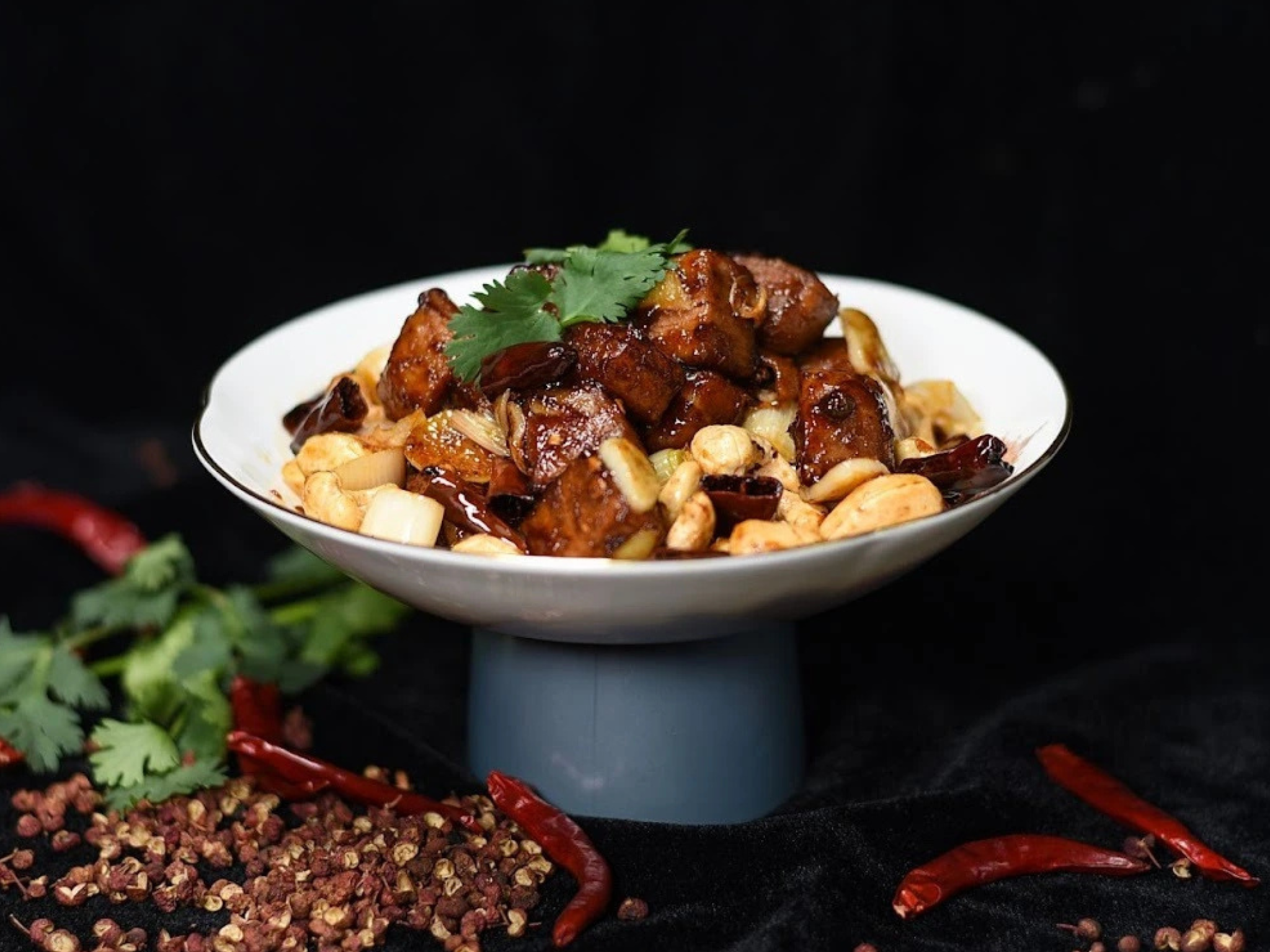
From yeast protein to cultivated meat, China is catapulting its bioeconomy with new policies, manufacturing facilities, and regulations. Can it influence the future of Asia’s protein supply?
As China prepares to release its new five-year agriculture plan at the government’s Two Sessions summit, which starts this week in Beijing, there is an elevated focus on its biomanufacturing prowess to ensure regional food security.
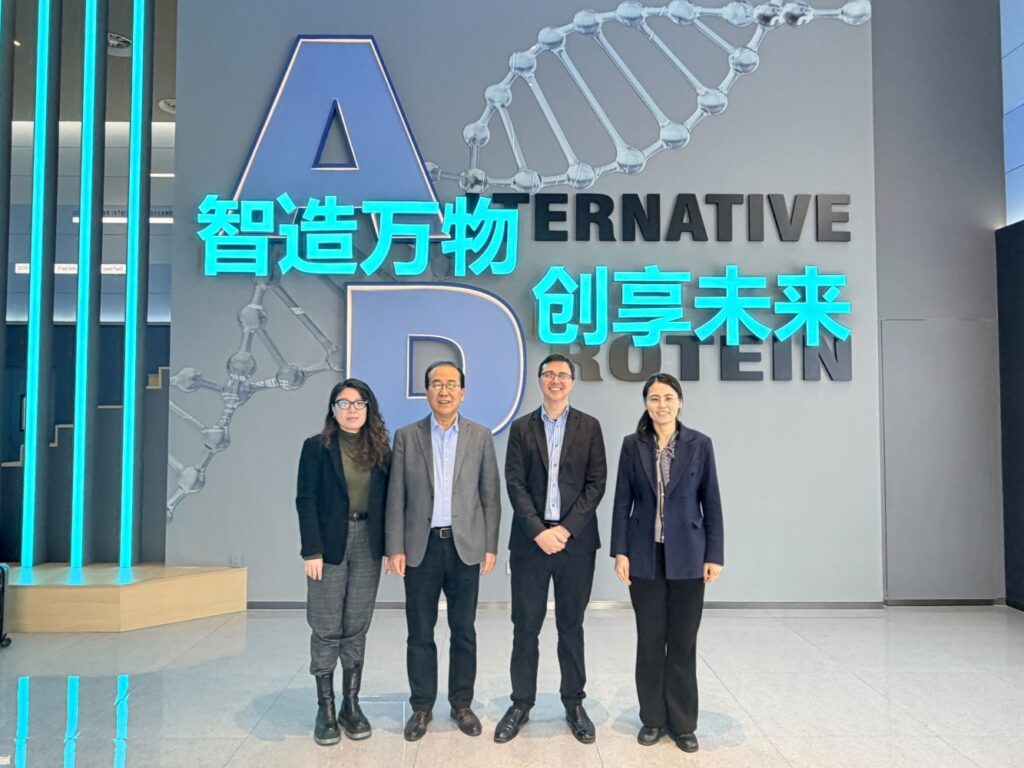
The team at the Good Food Institute (GFI) APAC travelled to the East Asian country ahead of the annual event, and found concrete signs that it will play a “decisive role” in the long-term success of the future food sector.
The alternative protein think tank visited the 11,000-tonne yeast protein facility opened by Angel Yeast in November, as well as the government-funded New Protein Food Science and Technology Innovation Base in Beijing.
“By mastering the art of making protein from plants, microorganisms, and cultivated animal cells, China can produce a whole lot more of it and bolster national self-sufficiency,” GFI APAC wrote in a LinkedIn post, adding that this message will be front and centre of the Two Sessions summit.
“In the weeks leading up to the conference, provincial and city leaders have been proactively pushing out their own ambitious plans in support of the national mission,” it explained.
Take Shanghai, for example. In December, six of its government departments jointly released a 20-point action plan to advance its novel food sector over the next five years by leveraging new technologies like synthetic biology and artificial intelligence.
China’s future food facilities a window into the future
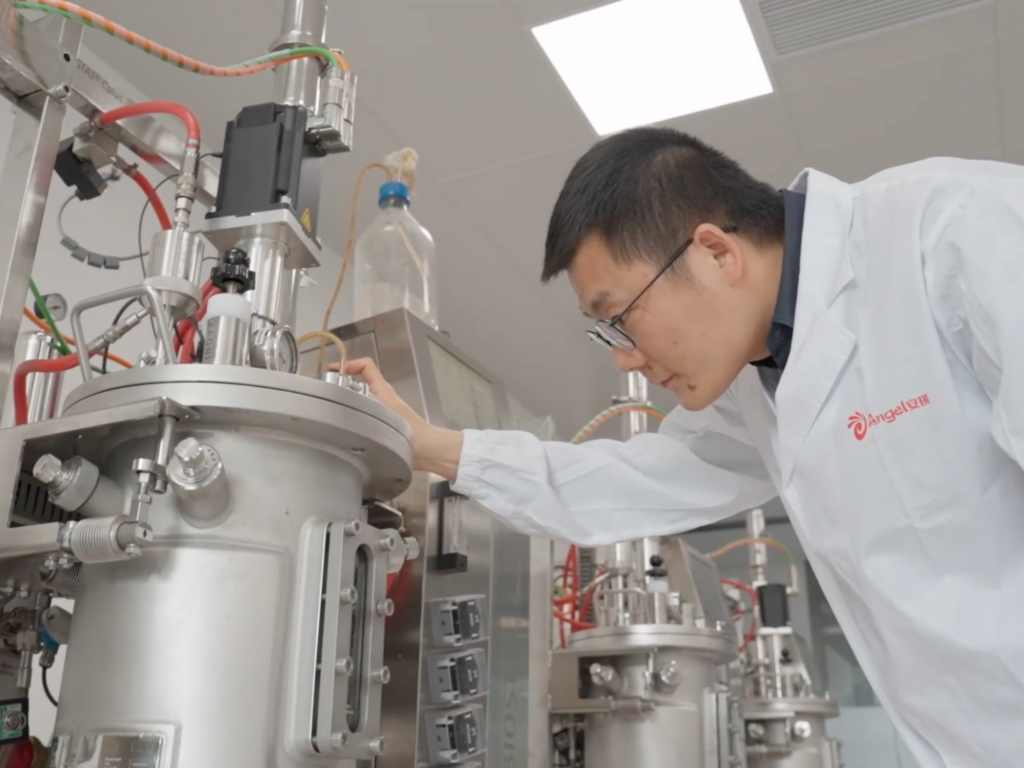
Angel Yeast’s new plant is located near Yichang in Hubei province and operates round-the-clock, all year. According to GFI APAC, it’s a “monumental symbol of China’s future food ambitions”.
The company recently delved into the alternative protein segment by leveraging biomass fermentation to produce yeast protein in just a few hours. This “new protein”, as the firm terms it, is called AngeoPro, and costs half as much as whey, with a 95% lower carbon footprint.
Angel’s factory is the size of 50 football fields and can produce over 11,000 tonnes of protein each year, but it’s still struggling to keep pace with surging demand.
“At the time of my visit in the first week of February, Angel was about to break ground on a second factory behind the first, aimed at boosting total production capacity to more than 30,000 tonnes,” Ryan Huling, senior writer at GFI APAC, wrote in The Straits Times.
Meanwhile, the new alternative protein centre in Beijing, situated in the China Meat Food Comprehensive Research Center, was set up through a ¥80M ($10.9M) investment by the local Fengtai District government and meat processor Shounong Food Group.
According to GFI APAC, the walls of this facility are emblazoned with quotes from Chinese President Xi Jinping, who has directed his compatriots to use technological innovation to “give rise to new industries, new models, and new drivers of growth”.
These are depicted alongside a timeline of industry milestones, including Singapore Food Agency’s historic approval of Eat Just’s Good Meat cultivated chicken in late 2020.
Speaking of which, last year, China joined Singapore, South Korea and Saudi Arabia to form a UN working group to streamline international safety review processes for cultivated meat.
“China’s own national approval framework could come as soon as late 2026, according to local cultivated meat CEOs, potentially creaking open the door to a long-awaited market opportunity of epic proportions,” said GFI APAC.
Some local companies are already positioning themselves to capitalise on this when the time comes. In December, Nanjing-based Joes Future Food completed the construction of China’s largest production plant for cultivated meat, which is able to churn out up to 50 tonnes of product annually.
Cross-country collaboration can uplift alternative proteins to new heights
China’s biomanufacturing drive is influenced by a number of factors. For starters, it’s a response to research that shows Asia’s 10 largest economies would need to diversify 30-90% of their protein production with sustainable alternatives by 2060 if they’re to meet their climate goals.
Geopolitics is another reason behind this push. With rising income and meat consumption, China’s livestock industry has had to import millions of tonnes of soybeans and corn for animal feed. GFI APAC cited the new book, Meat, by GFI founder Bruce Friedrich, which notes that even chicken (the most efficient animal protein) requires being fed nine calories to get just one calorie back as meat.
“China’s leaders are understandably eager to unshackle themselves from this import dependence and liberate vast quantities of raw materials for human food production,” said GFI APAC.
Economic drivers are at play, too. China is “investing hundreds of millions of dollars in ‘biomanufacturing’ through its State Development & Investment Corp to become a sustainable protein supplier to the world”, according to Huling.
The country’s leadership will benefit Singapore, the original hub of food tech in the region. The latter has provided up to 24 times as much public funding into protein innovation as other leaders like the US, measured as a percentage of its GDP. It also boasts six modules at its universities and polytechnics solely dedicated to alternative proteins.
At the same time, this sector is no longer part of Singapore’s food strategy, with environment minister Grace Fu citing “higher production costs and weaker-than-expected consumer acceptance globally”. The country is currently focusing on R&D to make this sector “more competitive and mainstream”.
GFI APAC suggests that the city-state needs international partners to ramp up commercialisation and manufacturing to a global scale. China can fit in seamlessly here, and there are already precedents for collaboration, including the aforementioned UN working group.
In 2024, researchers from the two countries teamed up with GFI APAC to co-host a summit aimed at identifying the biggest bottlenecks to achieving taste and price parity between animal and alternative proteins.
“Facilitating stronger scientific and industry connections between Singapore, China, and other Asian innovation hubs can create a strategic alliance greater than the sum of its parts,” said GFI APAC.